
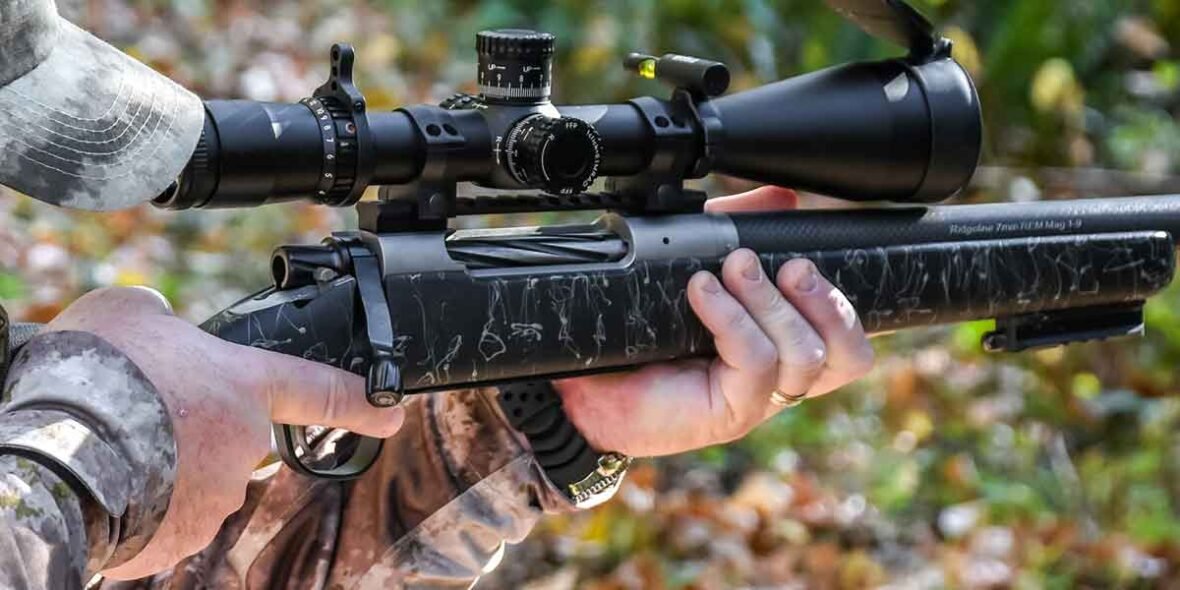
Adding an optic can make target acquisition faster and your aiming reference easier to repeat, but only if the mounting method is stable and compatible with your setup. A surprising number of “optic problems” are actually mounting problems in disguise: a footprint mismatch, an interface that does not seat flat, or hardware that was tightened without a repeatable process. The right choice is not always the lowest profile or the newest system. It is the method that fits your firearm, matches your optic’s footprint, and holds zero through recoil and regular handling.
Instead of thinking in terms of what is “best” in general, it helps to think in terms of tradeoffs: flexibility versus simplicity, modularity versus lowest height, and convenience versus long-term durability. Once you understand the major mounting options and when each one makes sense, it becomes much easier to build a setup that stays consistent over time.
Understand The Main Mounting Options
Most optic setups fall into a few broad categories: direct mounting to a dedicated cut, modular plate systems on optics-ready slides, and alternative mounts like dovetail plates or rail-based solutions. These approaches differ in how the optic interfaces with the firearm, how many parts and screws are involved, and how much flexibility you have if you change optics later.
A key term you will see across all of them is “footprint.” The footprint is the pattern of holes and alignment features that physically connect the optic to the slide or to a plate. If the optic’s footprint does not match the mounting surface, it will not mount correctly without an adapter.
The most reliable path usually starts with compatibility first, then durability. A mount that is technically possible but requires stacked adapters, improvised hardware, or a poor fit can introduce movement and create headaches later.
Direct Mounting: When It Makes Sense
Direct mounting generally means the optic attaches to a slide cut that is made for that specific footprint. The appeal is straightforward: fewer parts, fewer screw interfaces, and typically the lowest possible profile. Many shooters like this approach because it reduces “stack height,” which can help with natural presentation and can simplify the sight picture.
From a durability standpoint, direct mounting is often considered the most robust option because it removes the adapter plate layer entirely. One downside is commitment: a dedicated cut ties you to that footprint, so switching to a different optic pattern later may require additional work.
Even with direct mounting, consistency depends on process. Best-practice guidance repeatedly emphasizes clean mating surfaces, correct tools, and tightening to manufacturer specifications rather than “by feel,” because over-tightening can strip threads and under-tightening can allow movement under recoil.
Modular Plate Systems: Flexibility With Tradeoffs
Optics-ready pistols often use a removable cover plate and a modular plate system that lets the slide accept different optic footprints. The benefit is flexibility: you can change optics without permanently altering the slide, as long as you match the plate to the optic’s footprint.
The tradeoffs are usually added height and a few more points that need attention. Adapter plates raise the optic slightly and introduce additional screws, which means installation and periodic checks matter if you want the setup to stay consistent. Plate systems are not inherently unreliable, but they do add another interface in the chain, so a good fit and careful mounting tend to make a noticeable difference over time.
With plate-based setups, the platform details matter. On the Walther PDP V2 style optic cut, the plate is simply the piece that mates your slide to the optic’s footprint, so you want one that matches both instead of treating plates like interchangeable spacers. You will usually see plates organized by footprint type, and many include the correct screws so you are not guessing on fit. For example, if someone mentions a walther pdp 2.0 optic plate, they are typically talking about the plate that matches the PDP’s newer cut and the optic pattern they are running.
Dovetail And Rail Solutions: When You Need an Alternative
If a pistol is not optics-ready, or if you want a non-permanent way to test an optic, alternative mounts can be tempting. Dovetail mounts replace the rear sight and provide a plate for mounting an optic. They are generally lower cost and reversible, but they often place the optic higher, may remove backup iron sight capability, and are typically considered less secure than slide cuts or dedicated optics-ready plate systems.
Rail-based mounting is more common on rifles and AR-style platforms, where standardized rails make it easy to position an optic. For pistols, rails are not typically used for slide-mounted red dots, but the broader point still applies: standardized interfaces can be repeatable when properly clamped and torqued.
If you are choosing an alternative mounting approach, treat it as a practical compromise rather than a long-term equal to a dedicated optic-ready system. It can be a useful bridge, but it may not be the best choice for high round counts or hard use.
Installation Habits That Keep Your Mount Stable
No mounting method is “set and forget” if the installation is rushed. Across multiple guides, the recurring themes are consistent: verify the footprint match, clean and degrease mating surfaces, use a calibrated torque tool, and apply a medium-strength thread locker when recommended, then allow proper cure time before live fire.
It also helps to adopt a simple verification routine. Many shooters re-check screw torque after an initial range session because early settling can happen, especially on plate systems where multiple interfaces are involved. If you frequently remove the optic for maintenance, the repeatability of your process becomes just as important as the hardware itself.
Finally, remember that manufacturer specifications should guide the details. Torque values, screw lengths, and recommended compounds can vary by optic and mount. When in doubt, a qualified gunsmith can confirm fit and prevent small mistakes from turning into stripped threads or a shifting zero.
Conclusion
Choosing the right mounting method is really about matching your priorities to the realities of your platform. Direct mounting can be a strong choice when you want the simplest, lowest-profile interface and you are comfortable committing to a footprint. Modular plate systems offer flexibility and convenience, but they ask for a bit more attention to fit, hardware, and follow-up checks. Alternative mounts can be helpful for experimentation or non-optics-ready firearms, but they are usually best treated as a compromise.
If you focus on compatibility first, then durability, and back it up with a careful installation routine, you will end up with an optic setup that stays consistent and earns your confidence over time.