
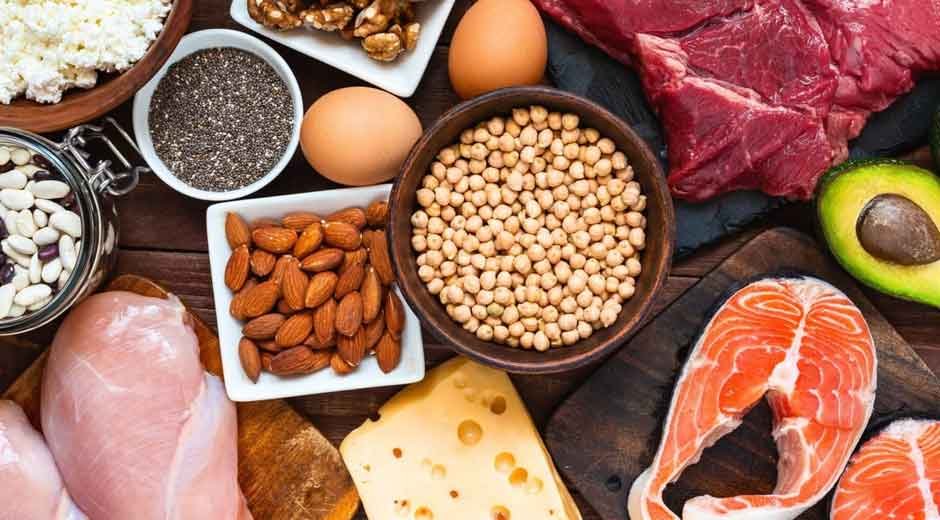
As people move later into life, the body starts handling food and muscle maintenance differently, so daily nutrition needs a bit more thought than it used to. This is where elderly care protein (referred to as โปรตีนสำหรับผู้สูงอายุ in Thai) comes in because it supplies the building blocks that support strength, recovery, and steady body function as routines change.
To make sense of how this works in real life, the points below walk through the key physical and practical reasons in a clear, grounded way.
Muscle Mass Preservation
Muscle changes do not announce themselves loudly. You may just notice a chair feels lower than it used to, or that the walk to the gate needs a slower pace. Enough protein gives the body steady building material to hold on to muscle for longer. Even with gentle gym workout plans, food still does much of the heavy lifting in the background.
Some people assume movement alone is enough, but diet fills the gaps. Good nutrient intake supports balance during simple routines like sweeping, cooking, or walking to the nearby shop. It supports independence in ways that feel small but matter every day.
Strength and Physical Function
There comes a point when everyday tasks start feeling heavier. Lifting a kettle. Standing after a long sit. These moments often hint at gradual strength loss. Protein supports the muscles involved in those movements, making daily actions feel less draining over time.
Even with access to government-sponsored senior health benefits, physical capability still plays a large role in personal dignity. People prefer to do simple things on their own, when possible. Better nutrition supports that sense of control, whether living with family or managing daily life independently.
Immune System Support
As the body ages, recovery from common illnesses may feel slower, and infections tend to linger longer. Protein supports the production of immune cells, which work quietly behind the scenes. Without enough of it, the body may struggle to respond the same way it used to.
Some people notice they catch colds more easily in later years. Others feel weaker after even mild illness. In both cases, balanced protein intake supports the body during healing, especially when appetite drops or energy feels lower during sickness or stress.
Recovery From Illness and Injury
After a hospital stay or a minor fall, the body sometimes feels unfamiliar. Muscles weaken quickly during rest, and regaining strength takes real effort. Protein supports tissue repair and helps limit how much muscle is lost during these periods.
Families often see this change clearly. A parent who once walked easily might move slower after recovery. With proper nutritional support, including protein-focused formulas, the body has what it needs to rebuild strength gradually. This becomes part of the wider support system during home recovery.
Nutritional Intake in Reduced Appetite
Appetite rarely stays the same as years pass. Portions tend to shrink. Flavours feel different. At times, food seems uninviting. When hunger drops, meeting nutritional needs becomes harder, with protein often missed.
That makes concentrated choices easier to accept when big meals feel like too much. A small, richer portion often feels realistic. For people who fill up quickly or lose interest when tired, it supports better intake while daily eating habits stay fairly steady throughout the day.
Check out the Thai Otsuka Nutrition Club to learn more about medical food products for better health and wellness.