
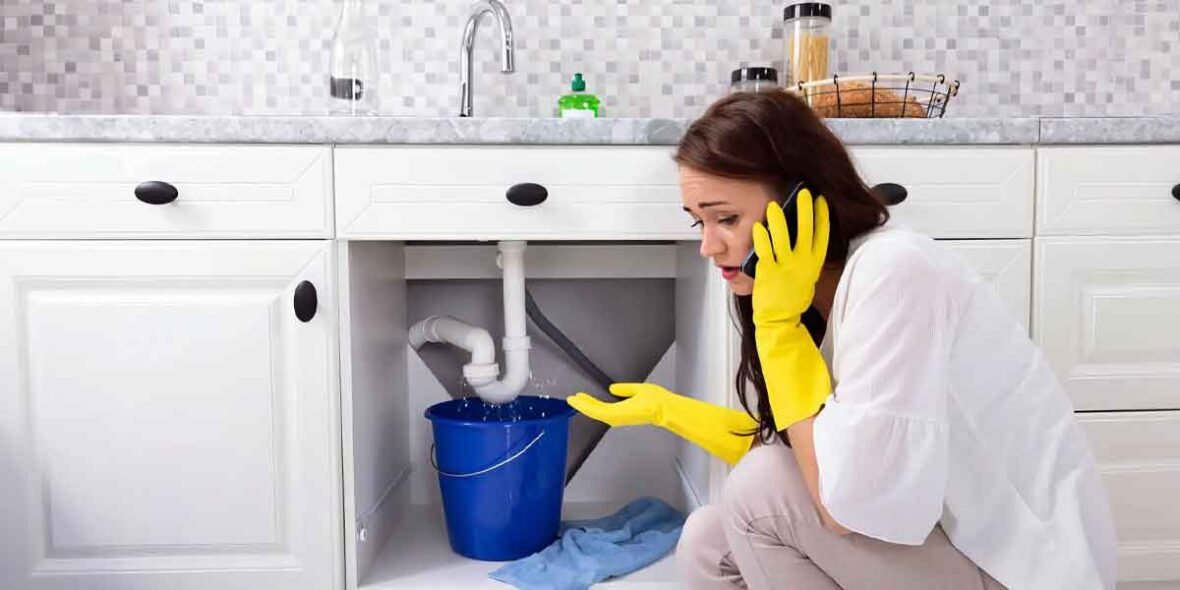
Nothing interrupts a peaceful weekend at home quite like the sound of rushing water where it does not belong. A sudden plumbing failure is one of the most stressful events a property owner can face. Whether it is a burst pipe under the sink, a blocked drain overflowing onto the bathroom tiles, or a hot water system that breaks down in the middle of winter, these situations escalate rapidly and without warning. The key to minimising the chaos is thorough preparation. By understanding how to respond swiftly and knowing the basic preventative steps, you can save your property from extensive structural harm. Being proactive also means you are not left scrambling to find help when every single minute counts. For instance, saving the contact details for a local expert who provides emergency plumbing in Geelong ensures you can get a qualified professional on site before a minor leak becomes a major indoor flood. Taking these steps early allows you to regain control over an otherwise chaotic situation.
Understand the True Cost of Water Damage
Many people underestimate how quickly water can ruin structural materials, flooring, and personal belongings. It is not just the immediate mess that causes severe problems. Moisture left trapped in walls or under floorboards can lead to toxic mould growth within a mere 24 to 48 hours. This prolonged dampness often causes severe timber rot over time, compromising the very framework of your house. The financial toll of these incidents is often staggering. According to data gathered by the Insurance Information Institute, water damage and freezing events account for a significant portion of claims each year, affecting roughly 1.5 percent of insured homes with a massive average claim severity of over $15,000.
This massive average cost highlights exactly why ignoring a small drip or delaying a repair is never worth the risk. A few dollars saved on deferred maintenance can easily translate into thousands of dollars in emergency restoration work. Furthermore, long-term water exposure can irreparably damage electrical wiring, adding severe fire hazards to an already expensive repair bill.
Essential Steps When a Pipe Bursts
When a plumbing disaster strikes, your immediate response dictates how much damage your home will sustain. Panic is your worst enemy, so having a clear action plan is essential to protect your household and your family.
- Locate the water mains: The very first thing you must do is shut off the water supply. Familiarise yourself with the location of your water meter or main shut-off valve right now, before an emergency happens. Turning this valve clockwise will cut off the water to the entire property.
- Switch off the power: Water and electricity are a deadly combination. If the leak is near any electrical appliances, power points, or light fittings, go to your switchboard and turn off the main power supply immediately.
- Open your taps: Once the mains are off, turn on your cold water taps to drain the remaining water out of the system. This action reduces the pressure in the pipes and helps stop water from continuing to spill into your home.
- Relocate vulnerable items: Move rugs, wooden furniture, and electronics away from the pooling water. Getting these items to a dry area quickly can prevent permanent staining and warping.
- Document the damage: Take clear photos and videos of the affected areas as soon as it is safe to do so. Your insurance provider will absolutely need this visual evidence when you lodge a claim to recover your repair costs.
Preventative Measures to Protect Your Home
While you cannot predict every single problem, a solid maintenance routine will catch most issues before they escalate into true emergencies. Small preventative habits go a long way in keeping your home dry and your entire plumbing system functioning smoothly.
Start by regularly inspecting the visible pipes under your kitchen and bathroom sinks for signs of moisture, pooling water, or corrosion. You should also pay close attention to your quarterly water bill. An unexpected spike in usage is often the first indicator of a hidden underground leak. Additionally, be mindful of what goes down your drains. Pouring cooking grease, coffee grounds, or fibrous food scraps down the kitchen sink is a guaranteed way to create a stubborn and smelly blockage.
In the bathroom, use simple hair catchers to protect your shower drains from severe clogs. Finally, check your flexi hoses. These braided steel hoses connect your water supply to taps and toilets, and they are notorious for bursting as they age. Replacing them every five to ten years is a highly effective way to prevent a catastrophic indoor flood. It is also wise to check your home water pressure, as excessively high pressure puts unnecessary strain on your pipe joints and fixtures.
Recognising the Limits of DIY Repairs
There is a wealth of online tutorials showing homeowners how to fix minor household issues, but plumbing is an area where DIY projects can easily backfire. While plunging a toilet or replacing a basic showerhead is generally safe, tampering with internal pipework or gas hot water systems requires specialised knowledge and official licensing. In Australia, strict regulations govern who can legally perform certain plumbing and gasfitting tasks.
Attempting complex repairs without the right tools and training often voids your home insurance policy and makes the original problem much worse. If a DIY repair fails and floods your kitchen, you will likely have to cover the entire cost of the damage out of your own pocket. By combining regular preventative checks with the swift action of a trained expert during emergencies, you can protect your most valuable asset and keep your household running smoothly year-round.