
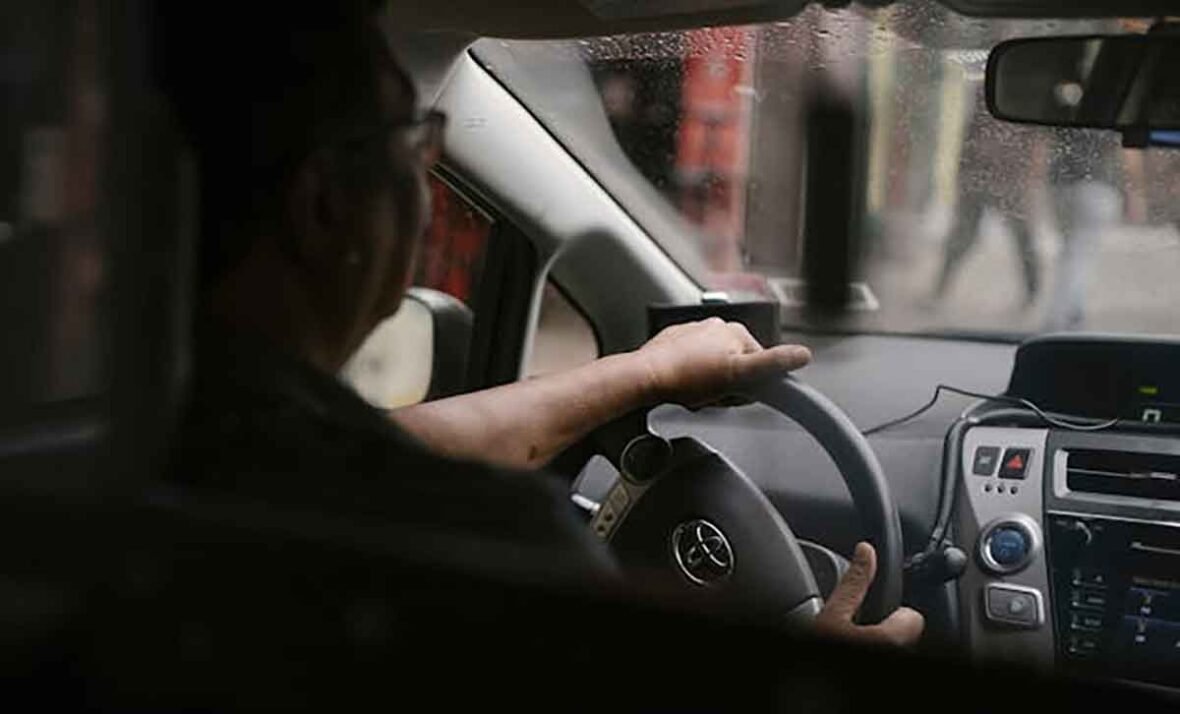
There’s nothing quite like the rush of getting behind the wheel for the first time as a licensed driver. That mixture of excitement and nervous energy? Totally normal. But here’s the thing, with that shiny new license comes a whole lot of responsibility that extends far beyond what you learned in driver’s ed. New drivers face challenges that seasoned motorists have long since mastered through experience, and those early habits you develop will stick with you for decades. Whether you’re fresh from the DMV with your license still warm in your wallet or you’re gearing up for that big test, these fundamental rules will help you navigate the roads with both confidence and the right amount of healthy caution.
Always Maintain a Safe Following Distance
Tailgating ranks among the most common mistakes new drivers make, and it’s one that can lead to serious consequences. The three, second rule isn’t just some arbitrary guideline, it’s actually backed by physics and human reaction time. Here’s how it works: spot a fixed object ahead like a road sign or overpass. When the car in front of you passes it, start counting. You shouldn’t reach that same point until at least three full seconds have passed. Sounds simple, right? But conditions change everything. Rainy weather, bumper-to-bumper traffic, or cruising at highway speeds all demand you increase that buffer zone. Many new drivers underestimate just how much distance their vehicle needs to come to a complete stop. Remember, stopping isn’t instantaneous, your brain needs time to register danger, your foot needs time to move to the brake pedal, and then your car needs time to actually slow down. All of that requires space.
Eliminate All Distractions While Driving
Smartphones have made distracted driving an epidemic, especially among younger drivers. Your phone buzzes, and suddenly that urge to check it feels overwhelming. Don’t do it. Not even at a stoplight.
Understand and Respect Speed Limits
Speed limit signs aren’t suggestions, but they’re also not always the speed you should actually be traveling. Those posted numbers represent the maximum safe speed when conditions are perfect, clear skies, dry roads, light traffic. Real driving conditions rarely match that ideal scenario. Rain starts falling? Slow down.
Master Defensive Driving Techniques
Defensive driving boils down to one core principle: expect the unexpected and always have a backup plan. You need to develop eyes in the back of your head, metaphorically speaking. That means constant awareness of what’s happening all around your vehicle, cars in adjacent lanes, pedestrians stepping off curbs, cyclists appearing seemingly out of nowhere, road debris, and animals. Never assume other drivers will do the logical thing.
Never Drive Under the Influence of Any Substance
This one shouldn’t need explanation, but apparently it still does, so let’s be crystal clear: never, ever get behind the wheel when you’re impaired. Not after a couple beers. Not after smoking weed. Not after taking certain prescription medications. Not after using any illegal drugs. Zero tolerance means exactly that, for underage drivers, any detectable alcohol can cost you your license. The science isn’t debatable: these substances mess with your judgment, slow down your reaction time, and compromise every aspect of your ability to drive safely. New drivers who are already less experienced at handling vehicles in optimal conditions have absolutely no business adding impairment to the mix. The potential consequences extend far beyond getting arrested or losing your license. We’re talking about causing injuries, ending lives, destroying property, and creating trauma that lasts forever. When accidents happen due to impaired driving, professionals such as a personal injury attorney in Sherman Oaks work to ensure victims receive proper representation and compensation for damages. Always have a plan before you end up in a situation where you might be tempted to drive impaired. Designate someone sober to drive, use Uber or Lyft, crash at a friend’s place, or call someone for a ride home. No amount of social pressure or inconvenience justifies the potentially catastrophic outcome of impaired driving. And here’s something many people don’t realize, extreme fatigue impairs you similarly to alcohol, so don’t drive when you’re exhausted either.
Practice Consistent Vehicle Maintenance and Pre-Drive Checks
Being a responsible driver means taking care of your vehicle, not just knowing how to operate it. Before you hit the road, especially for longer trips, take a minute to walk around your car and do a quick visual check. Are all your lights working properly, headlights, brake lights, turn signals? How do your tires look? Are they properly inflated, or is one looking suspiciously low? Any obvious damage you need to address? Make sure your mirrors are adjusted correctly for maximum visibility. Regular maintenance isn’t optional if you want to avoid mechanical failures that could leave you stranded or, worse, cause an accident.
Conclusion
Becoming a truly safe and confident driver takes more than just memorizing traffic laws and passing a test, it requires genuine commitment to these fundamental safety principles and a willingness to keep learning. These six essential rules form the foundation of responsible driving that’ll serve you for decades to come, keeping you safe while protecting everyone else sharing the road. As you rack up more miles and experience, these practices won’t feel like conscious decisions anymore. They’ll become second nature, allowing you to handle increasingly complex driving situations with genuine confidence and composure.