
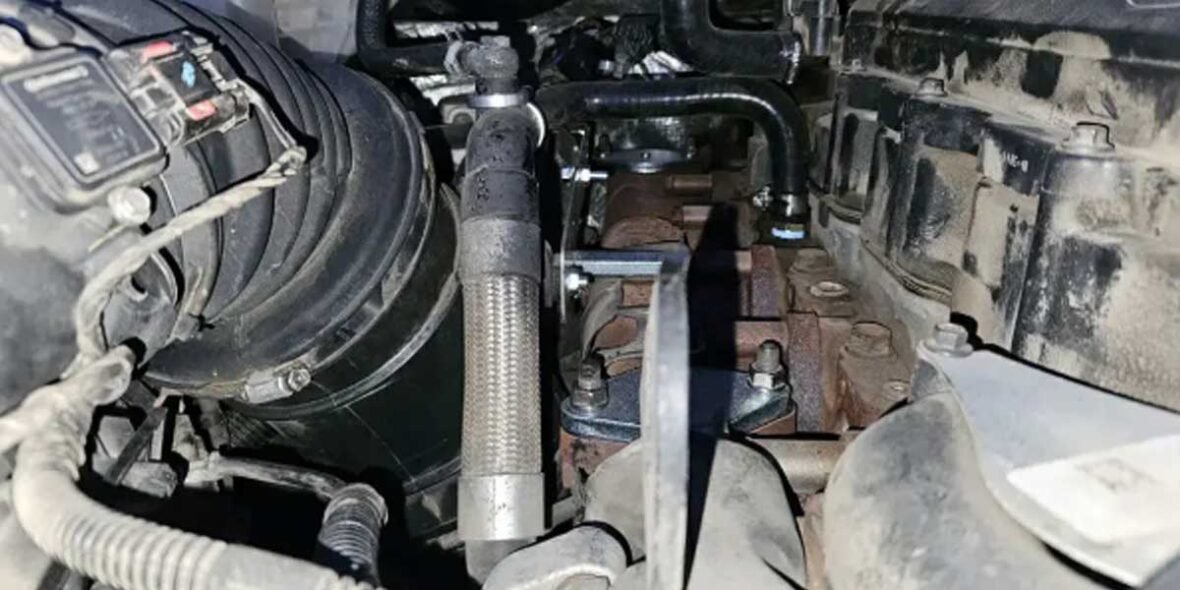
Modern diesel trucks are built for durability, towing strength, and long-distance reliability, but even the most dependable engines can develop maintenance concerns over time. One issue many truck owners experience is oil residue building up around the engine bay, intercooler piping, or turbocharger system. This is where the LML CCV reroute modification becomes an important topic for diesel enthusiasts and everyday drivers alike.
By redirecting crankcase vapors away from sensitive intake components, the LML ccv reroute can help reduce oil contamination, improve engine cleanliness, and support long-term performance.
The crankcase ventilation system is responsible for managing internal engine pressure and routing blow-by gases back through the intake system. While this design helps control emissions, it can also introduce oil vapor into components that were never intended to handle heavy sludge accumulation.
Over time, this mixture of oil vapor and soot can create buildup that affects airflow efficiency and contributes to leaks or degraded rubber parts. Understanding how this system works can help truck owners make informed maintenance decisions and prevent unnecessary repairs.
Why Your Truck Needs an LML CCV Reroute Modification
A crankcase ventilation reroute is designed to redirect oily vapors away from the intake tract before they circulate through the turbocharger and intercooler system. While this may seem like a small adjustment, the benefits can be significant for long-term engine health and cleanliness.
Many diesel owners choose this modification because it helps reduce contamination inside critical air-handling components. Cleaner airflow often translates into improved efficiency, easier maintenance, and less grime accumulating throughout the engine compartment.
Eliminating Hard-to-Find Oil Drips and Boot Degradation
One frustrating issue with oil vapor circulation is the appearance of mysterious oil drips around intercooler boots, intake tubes, or hose connections. In many cases, these leaks are not caused by failed seals alone. Instead, they result from oil mist gradually coating the inside of charge pipes and eventually seeping through clamps or weak rubber joints.
As oil residue accumulates, rubber boots and silicone couplers may begin to soften or deteriorate. This can lead to premature wear, slipping hoses, and messy engine compartments that are difficult to clean. Drivers often spend time replacing clamps or tightening fittings without realizing the root problem is excessive oil vapor entering the intake system.
A reroute modification helps reduce the amount of oil traveling through these pathways, which can keep surrounding components cleaner and drier over time. Cleaner intake tubing also makes it easier to identify genuine leaks if they occur in the future.
Truck owners looking for compatible maintenance components often explore LML crankcase ventilation parts when researching crankcase system improvements and airflow management solutions.
Stopping Crucial Intercooler Sludge Accumulation
Another major concern associated with oily crankcase vapors is sludge buildup inside the intercooler system. When oil particles combine with dirt, soot, and moisture, they create a sticky residue that gradually coats internal surfaces.
This buildup can reduce airflow efficiency and make the turbocharger work harder to maintain proper boost pressure. In extreme situations, excessive contamination may contribute to poor throttle response, reduced fuel efficiency, or increased intake temperatures.
The intercooler is designed to cool compressed air before it enters the engine. When sludge begins coating internal passages, heat transfer efficiency may decline. Over time, this can affect overall engine performance and increase maintenance demands.
By reducing the amount of oil entering the intake tract, a CCV reroute helps keep the intercooler cleaner for longer periods. This can simplify future maintenance and reduce the likelihood of thick deposits forming inside charge pipes and cooling components.
Reducing Crankcase Pressure for Better Seal Longevity
Internal crankcase pressure is a natural byproduct of engine operation. However, excessive pressure buildup can place stress on seals and gaskets throughout the engine.
When crankcase gases are not managed efficiently, pressure may contribute to oil seepage around valve covers, turbocharger connections, and other sealing surfaces. While a reroute modification is not a cure for worn seals, it can help improve ventilation efficiency and reduce stress placed on aging engine components.
Lower crankcase pressure may also contribute to longer seal life by minimizing the constant force pushing oil toward weak points in the system. For trucks used in towing, hauling, or demanding driving conditions, this added protection can become especially valuable over time.
Keeping the engine breathing properly is one of the simplest ways to support long-term reliability and reduce unnecessary oil contamination issues.
What Happens When Oil Vapor Enters the Turbocharger?
The turbocharger operates at extremely high temperatures and rotational speeds, making clean airflow essential for efficient operation. When oil vapor enters the turbo system, it coats compressor blades, intake piping, and intercooler surfaces with a thin oily film.
Initially, this contamination may appear harmless. However, as dirt and soot particles stick to the oily residue, deposits begin forming inside the intake tract. These deposits can disrupt airflow characteristics and reduce overall efficiency.
Oil contamination may also increase carbon buildup near intake components, especially in engines exposed to heavy towing or frequent stop-and-go driving. Over time, accumulated grime can contribute to reduced responsiveness and additional maintenance requirements.
Another issue is heat retention. Thick oily sludge inside intercooler passages can interfere with cooling performance, leading to warmer intake air temperatures. Since cooler air is denser and more efficient for combustion, maintaining a clean intercooler system is important for consistent diesel performance.
Preventing excessive oil vapor from entering the turbocharger system helps preserve airflow quality and keeps critical components cleaner for longer periods.
DIY vs. Professional Installation for the LML Platform
When considering a CCV reroute modification, many truck owners wonder whether installation should be performed at home or by a professional technician.
For mechanically experienced individuals, a DIY installation can be manageable with basic hand tools and careful attention to routing procedures. Many reroute systems involve disconnecting factory ventilation lines and redirecting vapors through upgraded hoses or filtration components.
However, proper routing is important to avoid kinks, pressure restrictions, or interference with surrounding engine parts. Incorrect installation may lead to ventilation issues or unwanted oil discharge if the system is not configured correctly.
Professional installation can provide additional peace of mind, particularly for owners unfamiliar with diesel engine layouts. Experienced technicians understand proper hose routing, secure mounting methods, and safe ventilation practices that help ensure reliable operation.
Whether installed professionally or at home, regular inspection remains important. Drivers should periodically check hoses, fittings, and ventilation outlets to ensure the system remains clean and unrestricted.
Conclusion: Keep Your Duramax Running Clean and Dry
Oil contamination inside the intake system is a common issue for many diesel engines, especially as mileage increases. While factory crankcase ventilation systems serve an important emissions function, they can also introduce oily vapors into components that benefit from staying clean and dry.
An LML CCV reroute modification helps reduce oil buildup inside intercoolers, intake tubing, and turbocharger components while supporting better long-term engine cleanliness. Cleaner airflow pathways can contribute to easier maintenance, reduced sludge accumulation, and improved durability for seals and rubber boots.
For diesel owners focused on preventive maintenance and long-term reliability, understanding crankcase ventilation is an important part of protecting engine performance. Learning about airflow management and maintenance solutions can help drivers make informed decisions about future upgrades and engine care.
Additional information about premium diesel upgrades can help truck owners explore broader maintenance and performance improvement strategies for heavy-duty diesel applications.