
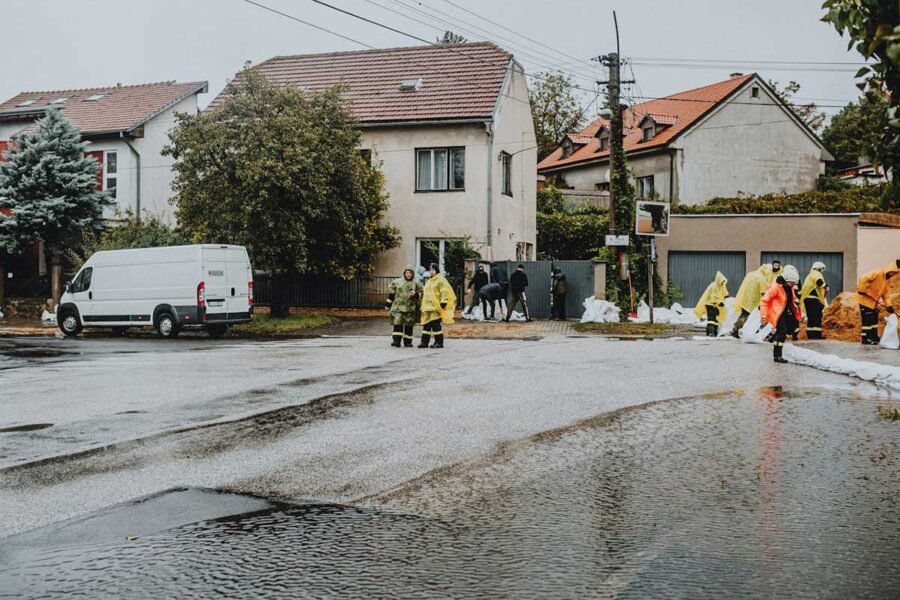
Water damage is one of the most common and costly issues homeowners face, especially when leaks or flooding are not addressed quickly. Even small amounts of water can cause significant damage if left untreated. Many homeowners assume water mitigation is always expensive and unavoidable. While professional help is often necessary, there are several strategies that can reduce overall costs. Understanding how water damage spreads helps homeowners act more effectively. Smart decisions early on can make a substantial financial difference.
Act Quickly to Reduce the Scope of Damage
Time is the most important factor in controlling water mitigation costs. The longer water sits, the more materials it affects. Flooring, drywall, and insulation absorb moisture quickly. Acting within the first 24 hours significantly reduces damage. Early response limits drying and reconstruction expenses.
Immediate actions such as shutting off water sources help contain the problem. Removing standing water quickly reduces absorption. Ventilation slows moisture migration. Fast action prevents secondary damage. Time management directly affects cost. Speed saves money.
Identify and Stop the Source of Water Immediately
Stopping the source of water prevents ongoing damage and added costs. Burst pipes, appliance leaks, and roof failures should be addressed right away. Delays allow water to continue spreading. Knowing where shutoff valves are located is critical. Even temporary control reduces damage.
If the source is not obvious, avoid guessing. Incorrect assumptions can worsen damage. Professional assessment may be required. Containment reduces labor and material replacement. Control protects property. Prevention limits cost growth.
Remove Valuable and Porous Items Early
Furniture, rugs, and personal belongings absorb moisture rapidly. Removing these items early reduces replacement costs. Porous materials are difficult to fully dry once saturated. Quick removal improves salvage potential. Inventory items before damage spreads.
Placing items in dry areas prevents contamination. Early relocation reduces mold risk. Photograph items for insurance purposes. Protection preserves value. Action reduces loss. Early decisions lower expenses.
Improve Airflow and Drying Conditions
Airflow plays a major role in drying effectiveness. Opening windows and using fans improves evaporation. Simple tools can reduce moisture levels. Dry environments slow microbial growth. Improved conditions support mitigation efforts.
Avoid sealing damaged areas prematurely. Trapped moisture causes hidden damage. Strategic airflow supports faster drying. Balanced conditions prevent warping and swelling. Accessibility improves drying. Homeowner actions reduce professional labor time.
Understand When Professional Help Is Necessary
Some water damage situations require immediate professional intervention. Sewage contamination or extensive flooding involves safety risks. Attempting DIY solutions in these cases may increase costs later. Professionals have equipment to detect hidden moisture. Expertise prevents mistakes.
However, not all situations require full scale mitigation teams immediately. Understanding the severity helps guide response. Partial intervention may suffice for minor damage. Professional assessment clarifies needs. Informed decisions save money.
Compare Services and Avoid Unnecessary Add Ons
Not all mitigation services are equal in scope or price. Some providers include services that may not be essential. Asking questions helps clarify what is required. Itemized estimates reveal cost drivers. Transparency supports better decisions.
Homeowners should avoid agreeing to unnecessary demolition. Unjustified services increase bills. Understanding scope reduces overspending. Documentation protects consumers. Comparison improves value. Knowledge limits waste.
Work With Experienced Local Professionals
Local professionals understand regional conditions and typical water damage causes. Experience improves efficiency and effectiveness. Established providers deliver better outcomes. Reputation matters in mitigation work. Proven processes reduce mistakes.
Many homeowners researching water mitigation in Denver, CO find that local experience helps control costs due to knowledge of climate and infrastructure. Proper assessment prevents over mitigation. Efficient service saves time and money. Local expertise adds value. Choosing wisely reduces expense.
Use Insurance Coverage Strategically
Insurance can significantly offset mitigation costs when used properly. Understanding policy coverage before emergencies occurs helps manage claims efficiently. Proper documentation speeds approval. Homeowners should notify insurers promptly. Delay risks denial.
Providing accurate information prevents claim disputes. Keeping receipts supports reimbursement. Knowing exclusions prevents surprises. Coordinating efforts lowers out of pocket costs. Planning improves outcomes. Insurance strategy matters.
Maintain Plumbing and Home Systems Regularly
Preventive maintenance reduces the likelihood of major water events. Regular inspection of plumbing systems catches leaks early. Appliance hoses should be replaced periodically. Routine checks prevent emergencies. Maintenance costs less than mitigation.
Roof inspections prevent weather related leaks. Drainage improvements reduce flooding risk. Prevention avoids disruption. Long term savings result from upkeep. Proactive homeowners spend less. Maintenance protects investment.
Avoid Mold Growth Through Prompt Action
Mold remediation adds significant expense to water mitigation. Mold develops quickly in damp environments. Drying affected areas promptly limits growth. Controlling humidity reduces risk. Prevention avoids remediation costs.
Recognizing early signs of mold allows timely response. Smell and discoloration signal issues. Proper drying prevents recurrence. Awareness saves money. Mold prevention protects health. Prompt action matters.
Consider Partial Cleaning and Restoration When Appropriate
Not all damaged materials need replacement. Some flooring and furniture can be cleaned and restored. Knowing what is salvageable reduces cost. Professional evaluation identifies restoration options. Selective repair saves money.
Avoid automatic replacement of every item. Restoration often costs less. Evaluating options improves outcomes. Practical decisions limit waste. Salvage supports sustainability. Balance reduces expense.
Conclusion
Saving money on water mitigation depends on speed, awareness, and informed decision making. Early action limits damage and reduces labor costs. Proper containment and drying prevent secondary issues like mold. Understanding when to involve professionals avoids unnecessary spending. Local expertise and insurance coordination further control expenses. Thoughtful preparation and response protect both home and budget.