
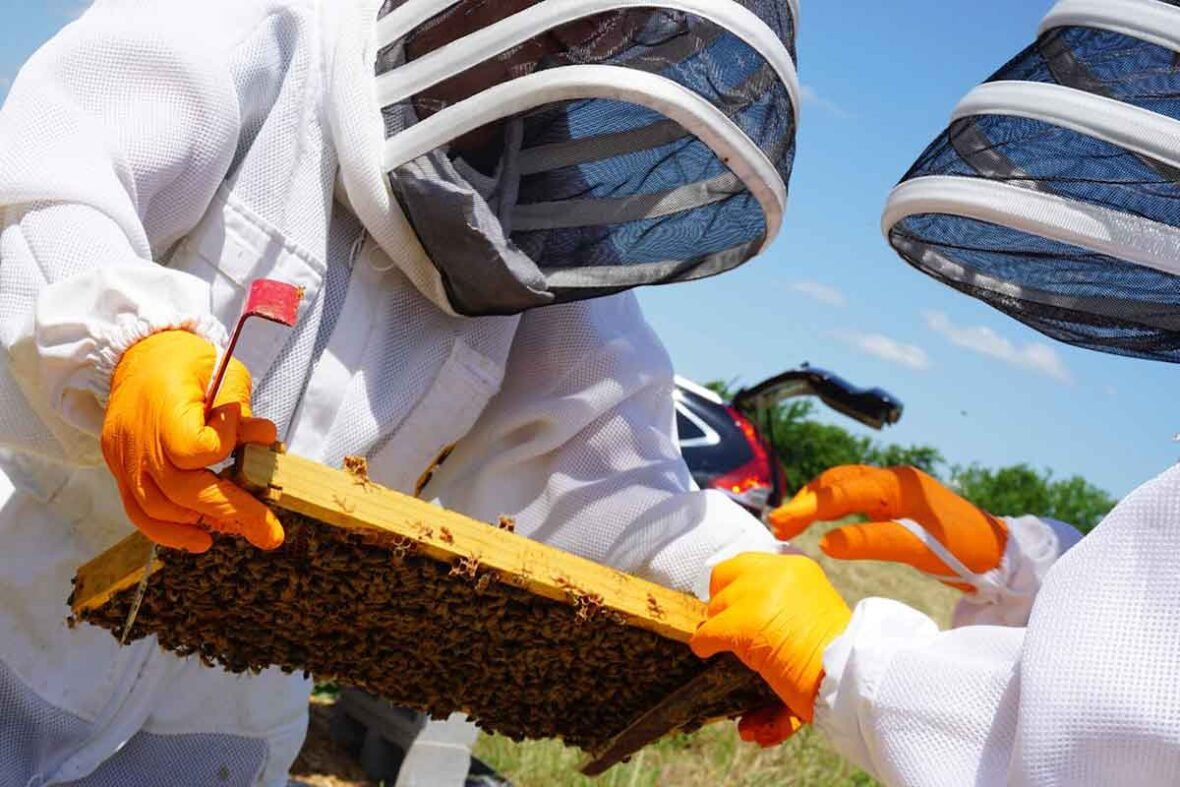
Beekeeping can be a rewarding endeavor, but costs can add up quickly if spending is not managed carefully. From protective gear to hive components and tools, ongoing expenses are part of maintaining healthy colonies. Saving money does not mean sacrificing quality or safety. Instead, it involves smart purchasing decisions and thoughtful planning. With the right strategies, beekeepers can reduce costs while still supporting productive hives.
Understanding Which Supplies Matter Most
Not all beekeeping equipment carries the same level of importance. Some items impact day-to-day hive health, while others are convenience upgrades. Prioritizing essential tools like hive bodies, frames, and protective equipment helps keep spending focused. Understanding which items are truly necessary prevents impulse purchases. Clear priorities help maintain budget discipline.
Buying Durable Equipment Instead of Replacing Often
Low-quality equipment often leads to higher costs over time. Cheap materials may warp, crack, or fail after one season. Spending slightly more on durable gear reduces replacement frequency. Long-lasting items provide better value year after year. Quality purchases help stabilize long-term expenses.
Purchasing in Advance or During Off-Season Sales
Many beekeeping suppliers offer discounts during the off-season. Buying equipment before spring demand rises can result in significant savings. Planning early also prevents rushed purchases at higher prices. Off-season purchasing allows time to compare options. Strategic timing is one of the easiest ways to reduce costs.
Making Your Own Beekeeping Equipment
Some hive components can be assembled at home with basic tools. DIY frames, covers, and feeders can cost less than pre-assembled options. Many beekeepers enjoy the flexibility of custom sizing and materials. Building your own gear also helps you understand equipment function better. DIY projects reduce spending while increasing skill.
Buying Used or Surplus Equipment Carefully
Used equipment can offer savings if inspected properly. Boxes, covers, and tools can often be reused safely. Any used items should be cleaned and sanitized to prevent disease transmission. Buying from trusted sources reduces risk. This approach works best for non-fabricated components.
Sharing or Trading Within Local Beekeeping Groups
Beekeeping communities are excellent resources for saving money. Members often trade surplus equipment or share bulk orders. Group purchases lower per unit pricing and shipping costs. Knowledge sharing also prevents unnecessary spending. Local networks provide both financial and educational benefits.
Limiting Unnecessary Upgrades and Accessories
New tools and accessories frequently enter the market. While useful, not every upgrade is essential for success. Evaluating whether a tool solves a real problem helps control spending. Mastering basic equipment reduces reliance on add-ons. Simplicity often leads to cost savings.
Maintaining Equipment Properly
Proper maintenance extends the life of beekeeping supplies. Cleaning tools, repainting boxes, and repairing minor damage prevent replacement. Regular inspections ensure issues are addressed early. Maintenance costs less than repeated repurchasing. Careful upkeep protects investments.
Buying in Bulk When Appropriate
Bulk purchasing can significantly lower per-item costs for consumables. Items like foundation, feed, or treatments are often cheaper in larger quantities. Proper storage is necessary to prevent waste. Coordinating purchases with other beekeepers helps manage bulk supply. Planning determines when bulk buying makes sense.
Choosing Reliable Suppliers
Working with dependable vendors ensures consistent quality. Trusted companies often provide warranties or customer support. Buying from recognized sources reduces the risk of defective products. Selecting quality honey bee supplies from reliable suppliers helps avoid costly setbacks. Supplier trust supports both savings and reliability.
Conclusion
Saving money on beekeeping supplies is achievable with planning and discipline. Smart purchasing, maintenance, and community involvement reduce unnecessary costs. Investing in quality items prevents frequent replacements. Budget awareness supports long term beekeeping success. With thoughtful strategies, beekeepers can manage expenses without compromising hive health.