
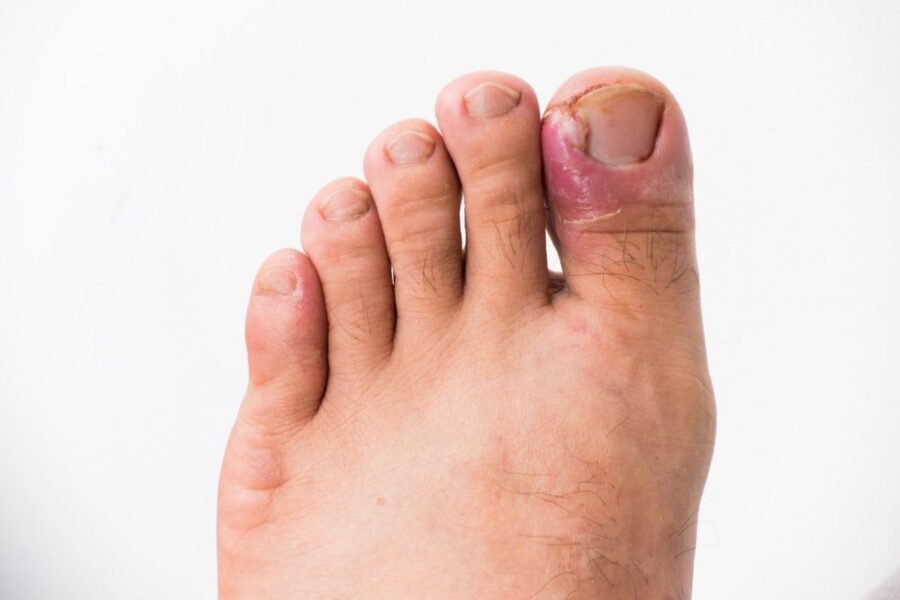
A sore toe is easy to dismiss after sport, tight footwear, or a hurried nail trim. Yet an ingrown nail can shift from surface irritation to infected tissue within days. Auckland’s wet weather, enclosed shoes, and long periods of standing can increase pressure along the nail fold. Careful observation helps us recognise early warning signs, protect comfortable walking, and seek podiatry care before inflammation spreads.
Why Pain Should Be Checked
Throbbing, swelling, redness, or fluid suggest the nail edge has pierced nearby skin. Once that barrier opens, bacteria can enter soft tissue. Someone searching for help with an ingrown toenail in Auckland may already be experiencing discomfort that affects gait, sleep, or footwear choices. Early assessment limits local damage and reduces the risk of recurrent infection.
Common Causes Behind It
Incorrect trimming is a common trigger. Cutting down the sides can leave a pointed corner under the nail fold. Narrow shoes, direct trauma, sweaty socks, and inherited nail shape also contribute to it. A single stubbed toe may start the problem. For others, the same border becomes tender every few months, often after pressure builds again.
Signs of Infection
Infection tends to bring warmth, increasing redness, swelling, the presence of pus, or an unpleasant odour. Pain may sharpen when weight passes through the forefoot. Even roomy shoes can feel tight around the affected toe. A red streak travelling up from the nail needs urgent medical review. Fever, chills, or feeling generally unwell may indicate that bacteria have spread beyond the local area.
Who Has a Higher Risk?
Diabetes, inefficient blood return, nerve damage, and immune suppression make toe infections more concerning. Reduced sensation can hide injury until swelling or drainage appears. Athletes face repeated impact from boots, sudden stops, and quick direction changes. Workers who stand for hours add constant pressure to already inflamed tissue. Extra caution helps prevent a minor wound from becoming a more serious medical problem.
When Home Care May Help
Mild tenderness, without pus or spreading redness, may settle with careful support. Warm saline soaks can soften tight skin around the nail edge. Clean socks, open footwear, and thorough drying reduce friction. Sharp tools should never be used to dig beneath the nail. If pain lasts beyond two days, worsens, or returns often, a podiatry assessment is safer.
What A Podiatrist Checks
A podiatrist examines nail shape, skin integrity, footwear pressure, blood flow, and markers of infection. The review may include medical history, medication use, and previous episodes. These details help separate a local nail problem from circulation, nerve, or immune concerns. A clear diagnosis guides treatment, allowing the offending edge to be managed with less delay and fewer complications.
Treatment Options
Care depends on the severity of irritation and the presence of infection. A clinician may free a small nail edge, clear trapped debris, or apply a protective dressing. Antiseptic care or medicine may be needed when bacteria are active. Recurrent cases may require a minor procedure to remove the troublesome strip, sometimes with treatment to reduce regrowth along that border.
Why Delay Can Cost More
Waiting can allow the infection to spread deeper into the soft tissue. Ongoing limping may strain the ankle, knee, hip, or lower back. Repeated inflammation can produce extra granulation tissue besides the nail. That tissue bleeds easily, stays tender, and keeps catching on socks. Prompt care usually means a simpler visit, quicker recovery, and less disruption to work, sport, or daily movement.
Prevention That Works
Toenails should be cut straight across, with each corner visible above the skin. Shoes need enough width through the toe box, especially during training or long shifts. Socks should keep feet dry and reduce rubbing. Regular checks after sports, gardening, or work help catch swelling early. People with diabetes or poor circulation should inspect their toes daily after any skin break.
Auckland Lifestyle Factors
Auckland weather often leaves footwear damp for hours. Moist skin softens around the nail fold, making pressure more irritating. Sports fields, work boots, hill walks, and commuting can add repeated loading. Busy people may ignore early soreness until infection develops. A quick foot check after active days can identify redness, swelling, or drainage before symptoms become harder to control.
Conclusion
An ingrown nail is not always dangerous, but certain changes deserve careful attention. Increasing pain, pus, spreading redness, fever, diabetes, inefficient blood return, or repeated episodes should prompt podiatry review. Early care protects skin, mobility, and confidence with each step. By noticing changes, choosing suitable footwear, and avoiding risky self-treatment, people in Auckland can address toe pain before it becomes a more serious health concern.