
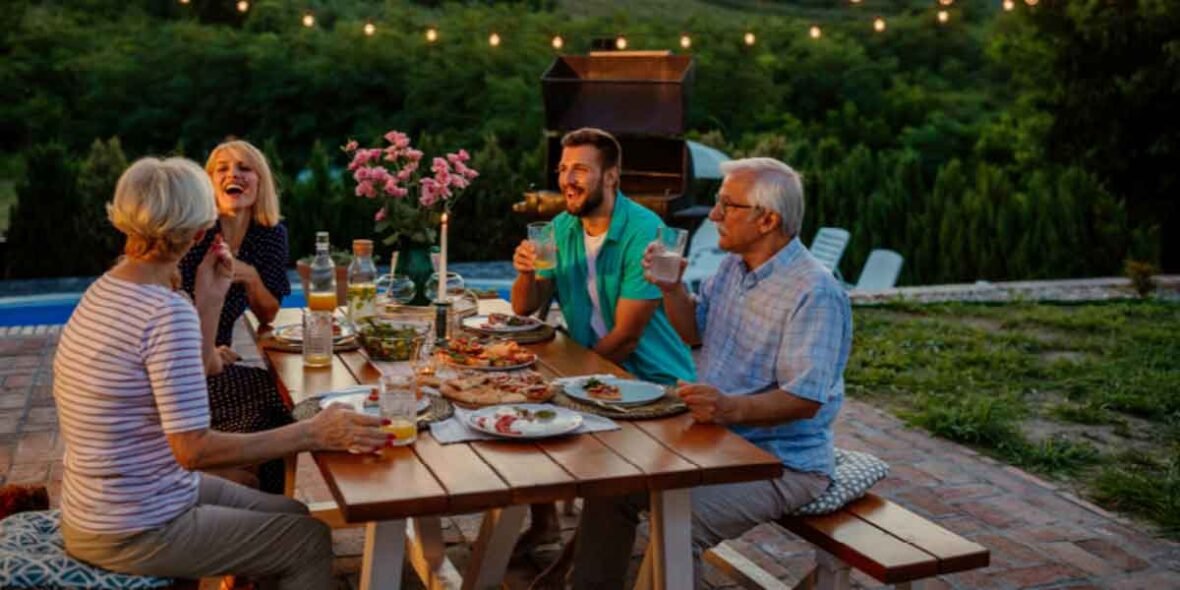
Dining out has always been about much more than just the food on the plate. It is fundamentally about the atmosphere, the company, and the environment that surrounds the table. Over the past few years, there has been a noticeable shift in how people prefer to enjoy their meals, resulting in a massive surge in the popularity of al fresco dining. Diners are no longer just looking for a quick bite; they are actively seeking memorable, open-air environments that engage all the senses. According to the National Restaurant Association, consumer spending is projected to push industry sales to $1.55 trillion, fuelled largely by a strong pent-up demand to dine out and a sustained focus on providing unique customer experiences. This powerful drive for experiential dining has placed a well-deserved spotlight on restaurant patios, shaded courtyards, and rooftop terraces across the globe.
Designing the Perfect Community Vibe
Creating a truly successful outdoor dining area requires far more than simply scattering a few metal tables on a nearby pavement. It demands thoughtful architectural planning and a deep understanding of how to seamlessly blend physical comfort with striking aesthetic appeal. When modern eateries set out to craft their patios, they frequently look to residential landscaping and design principles for inspiration. Just as a homeowner might seek advice on designing bold outdoor spaces with atmospheric lighting and dedicated dining alcoves, neighbourhood restaurants use these very same tactics to build a welcoming, communal environment. By anchoring the open space with comfortable, plush seating and ambient warmth, restaurateurs create a local hub where residents and visitors alike want to linger long after their plates are cleared.
Finding an Urban Escape in Bustling Metropolises
The appeal of al fresco seating is perhaps most pronounced in busy, high-density cities where concrete often dominates the landscape. Amidst towering skyscrapers, crowded pavements, and endless traffic, a well-designed courtyard or garden terrace acts as a necessary oasis. These spaces offer diners a precious chance to breathe, relax, and step away from the fast pace of urban life while still enjoying the cultural vibrancy of their city. For instance, travellers exploring the kinetic, sun-drenched streets of Bangkok often seek out these hidden gems to recharge during a busy day of sightseeing. Finding a high-quality restaurant near Sukhumvit that offers a relaxed, open-air setting provides the perfect calming contrast to the energetic Thai metropolis outside its doors. It is in these contrasting moments, where the bustling chaos of the city meets the quiet calm of a shaded patio, that culinary experiences truly shine and leave a lasting impression.
Essential Features of Top-Tier Al Fresco Venues
While the core concept of outdoor dining is universally loved, the actual execution varies wildly from neighbourhood to neighbourhood. The absolute best local spots share several foundational traits that elevate them above the rest. When seeking out an exceptional open-air eatery, look for these distinct characteristics that signal a well-planned patio:
- Thoughtful Climate Control: Top venues ensure patron comfort regardless of the season or time of day. This means providing ample canvas shade and cooling mist fans during sweltering summer afternoons, or installing robust patio heaters and stylish fire pits for chilly autumn evenings.
- Strategic Greenery and Landscaping: Plants do much more than look pretty. Lush tropical foliage, hanging vines, and tall potted trees act as natural sound barriers to block out harsh street noise, all while creating a distinct sense of privacy and natural seclusion.
- Layered and Ambient Lighting: As the sun sets, the mood of a patio should transition seamlessly into the evening. Warm string lights, flickering tabletop lanterns, and soft uplighting against trees contribute to an intimate, relaxed twilight atmosphere.
- Flexible Seating Arrangements: A great outdoor space caters to many different types of groups. Mixing long communal tables for large, energetic gatherings with cosy two-seater nooks allows the venue to host lively weekend brunches and quiet, romantic date nights with equal success.
The Social and Psychological Benefits of Outdoor Dining
Beyond the aesthetic appeal, dining outdoors offers tangible benefits for both mental wellbeing and social connection. Being surrounded by natural elements, even in an urban setting, helps to lower stress levels and promotes a sense of mindfulness that enhances the flavours of a meal. Fresh air and natural daylight stimulate the senses, making conversations flow more easily and creating a shared experience that feels far more engaging than a standard indoor dinner. Neighbourhood establishments that prioritise these open-air experiences often become the beating heart of their communities, drawing in regulars who value the rejuvenating atmosphere just as much as the menu.
A Universal Shift in Culinary Culture
Ultimately, the enduring rise of patio culture is a clear testament to our inherent desire for connection and fresh air. Sharing a beautifully prepared meal under the open sky fosters a relaxed, convivial spirit that traditional enclosed dining rooms sometimes struggle to replicate. Whether you are enjoying a casual weekend brunch in a familiar local neighbourhood or seeking a tranquil, shaded escape while travelling abroad, al fresco spaces enrich the entire culinary journey. By blending excellent food with the simple pleasure of the outdoors, these restaurants continue to redefine what it means to dine out in the modern era.