
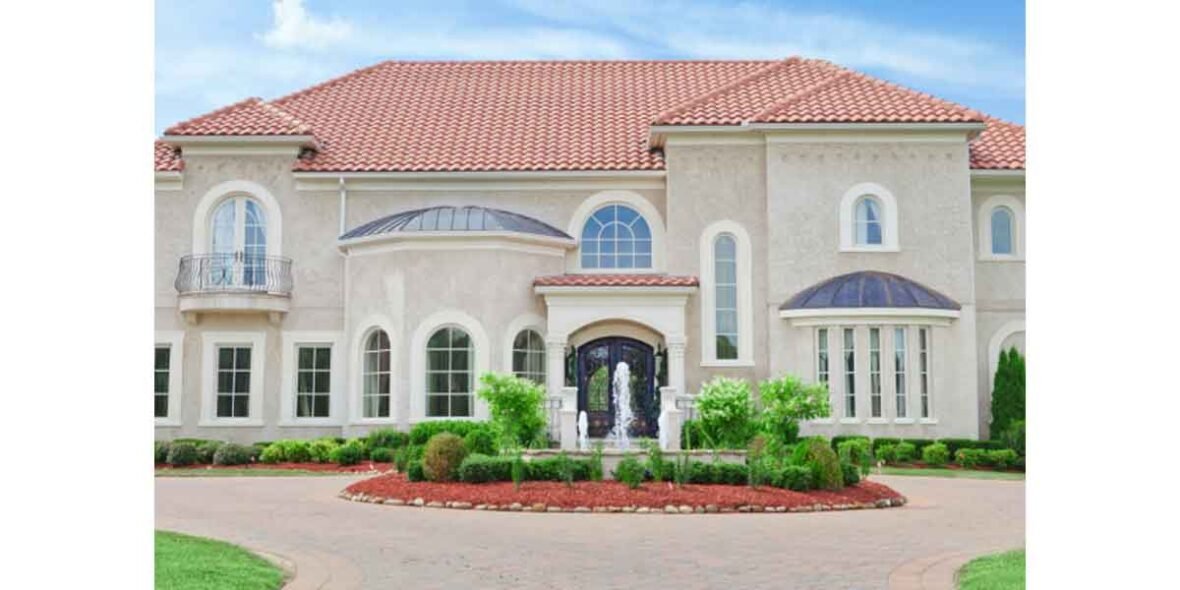
Luxury home improvements are no longer judged solely on surface-level aesthetics or the presence of high-priced materials. In today’s market, luxury homeowners and buyers assess properties based on how well upgrades support comfort, privacy, longevity, and lifestyle functionality. A luxury property must feel cohesive, intentional, and appropriate for its setting. Renovations that succeed in this segment elevate everyday living while quietly reinforcing long-term value.
Because expectations are more complex at the top end of the market, it is helpful to get advice from a real estate agent expert with luxury homes early in the planning process. This perspective helps homeowners understand how luxury home improvements are perceived by those who regularly buy and sell luxury homes, ensuring renovation decisions are in line with current market standards.
How Luxury Buyers Evaluate Homes Differently
Luxury buyers approach properties with a refined and highly comparative mindset. Unlike mainstream buyers, they are not impressed by isolated upgrades or generic renovation checklists. Instead, they look for consistency, quality, and how the home facilitates a premium lifestyle.
Luxury properties are evaluated as complete environments rather than collections of rooms. Buyers notice transitions between spaces, ceiling heights, natural light flow, and how finishes interact throughout the home. When luxury home improvements feel fragmented or overly personalized, they can detract from perceived value.
Here are common evaluation priorities:
- Quality that reflects durability and attention to detail
- Functional layouts that balance entertaining with privacy
- Architectural integrity preserved during renovations
- Materials selected for performance
A real estate agent familiar with luxury properties understands these nuances and how they influence buyer psychology in high-end markets.
High Impact Interior Luxury Home Improvements
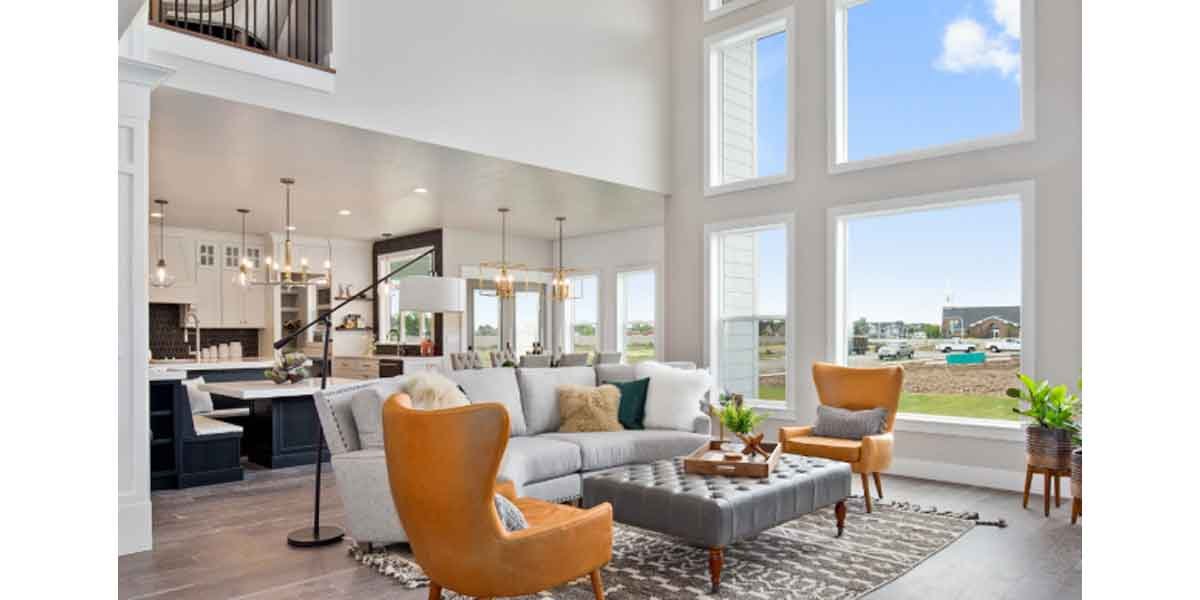
Interior upgrades play a central role in how luxury buyers experience a home, shaping perceptions of quality, comfort, and long-term livability. The following areas represent the most influential interior luxury home improvements.
Kitchen Design That Balances Performance and Aesthetics
In luxury homes, the kitchen functions as both a working space and a social hub. Buyers expect professional-grade performance without sacrificing visual cohesion. Oversized kitchens alone do not create value unless the layout supports intuitive movement and efficient use.
High-performing luxury kitchens typically contain:
- Custom cabinetry built to ceiling height for visual continuity
- Integrated appliances that reduce visual clutter
- Stone surfaces selected for durability and subtle elegance
- Layered lighting plans that adapt to different uses
Luxury home improvements in kitchens should emphasize proportion, flow, and material harmony. Buyers usually scrutinize cabinetry construction, hardware quality, and appliance integration more closely than colour trends or decorative features.
Spa-Inspired Bathrooms That Emphasize Comfort
Bathrooms in luxury properties are expected to function as private retreats. Buyers assess these spaces for comfort, acoustic privacy, and sensory experience.
Effective upgrades focus on:
- Walk-in showers with frameless enclosures and multiple zones
- Freestanding tubs positioned to maximize space and light
- Radiant floor heating for consistent comfort
- High-quality fixtures with timeless finishes
Luxury properties benefit when bathroom design prioritizes ease of use and long-term maintenance. Overly complex features or highly personalized design choices can limit buyer appeal.
Premium Flooring and Interior Finishes Built For Cohesive Design
Flooring and finishes provide subtle but powerful signals of quality throughout a luxury home. Buyers notice consistency and material transitions as they move from room to room.
Well-executed upgrades involve:
- Wide plank hardwood or engineered wood for stability
- Natural stone is used selectively in high-traffic areas
- Coordinated finish palettes that unify the interior
These luxury home improvements contribute to a sense of quiet sophistication that buyers associate with well-maintained luxury properties.
Technology and Efficiency as Value Drivers
Modern luxury properties are expected to integrate advanced technology and energy efficiency without compromising aesthetics or ease of use. These improvements support daily comfort, operational performance, and long-term value in a competitive luxury market.
Smart Home Integration That Enhances Daily Living
Technology is expected in modern luxury homes, but buyers prioritize simplicity and reliability over novelty. Innovative features should operate intuitively and integrate seamlessly into the home’s design.
Valued systems have:
- Centralized lighting and climate controls
- Automated window coverings for privacy and light management
- Integrated security systems that are designed to be discreet
Luxury buyers constantly evaluate whether smart home features enhance daily routines. Poorly installed or outdated systems can erode confidence in the home’s overall quality.
Energy Efficiency Without Visual Compromise
Energy efficiency has become an important consideration even in high-end markets. Buyers increasingly expect luxury home improvements to balance performance with sustainability.
High-impact efficiency upgrades consist of:
- High-performance windows that preserve architectural style
- Advanced insulation that improves comfort and sound control
- Zoned HVAC systems that allow personalized climate settings
Research shows that homes with verified energy efficiency features achieve resale price premiums compared to comparable properties without those upgrades.
Luxury properties that document efficiency upgrades can stand out during the evaluation process.
Outdoor and Lifestyle Focused Enhancements
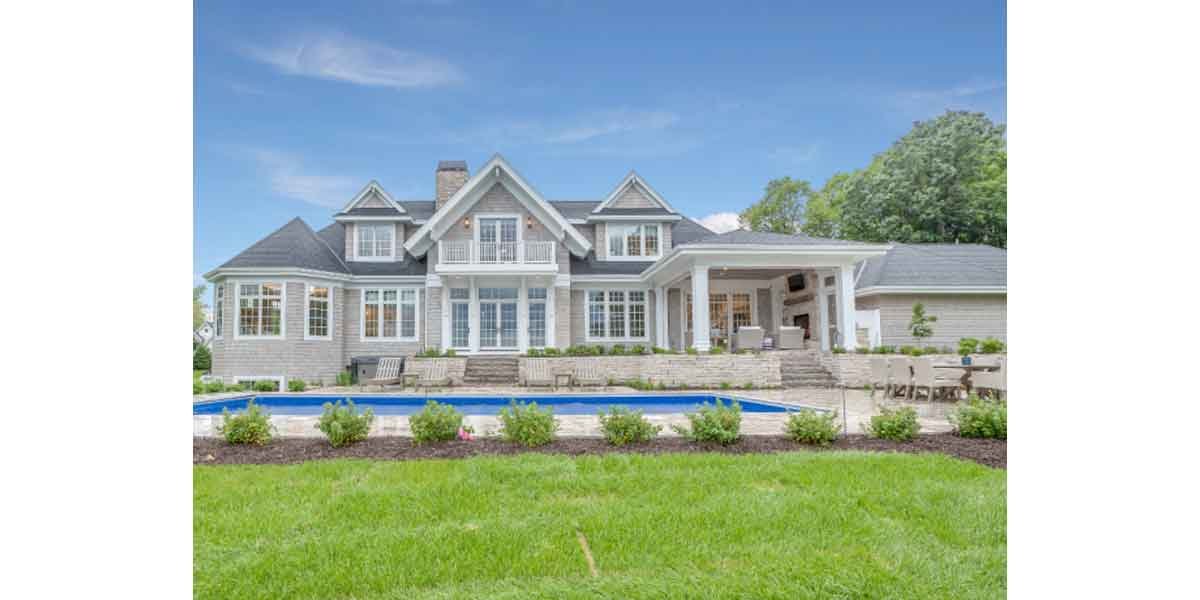
Outdoor and lifestyle-oriented features increasingly influence how buyers evaluate luxury properties, particularly in markets where homes are viewed as personal retreats. Well-planned enhancements extend living space while supporting privacy, wellness, and year-round enjoyment.
Outdoor Living Spaces Designed for Year-Round Use
Outdoor areas are considered extensions of the interior living space in luxury homes. Buyers assess how well these spaces support entertaining, relaxation, and privacy.
Practical outdoor luxury home improvements may include:
- Covered terraces with integrated heating elements
- Outdoor kitchens designed for frequent use
- Landscaping that enhances privacy without excessive maintenance
In many markets, outdoor living areas significantly influence how buyers compare luxury properties with similar interior features.
Wellness-Oriented Home Features
Wellness-focused design has become a meaningful differentiator in luxury homes. Buyers increasingly value spaces that support physical and mental well-being.
The following are features that align with these expectations:
- Dedicated fitness rooms with appropriate flooring and ventilation
- Spa-inspired bathrooms with natural light and calming materials
- Heated pools or hydrotherapy features designed for year-round use
- Quiet zones for meditation or relaxation
Thus, luxury properties that support wellness lifestyles attract a broader range of buyers and have a more future-focused appeal.
Planning Renovations to Match Market Expectations
Luxury home improvements must align with the home’s location, architectural style, and buyer profile. Renovations that exceed neighbourhood norms or introduce conflicting design elements can create challenges during resale.
Key planning considerations include:
- Local price ceilings and recent comparable sales
- Regional preferences for design and materials
- Typical buyer demographics in the area
When homeowners buy and sell luxury homes, they rely on subtle cues to assess whether a property fits market expectations. A real estate agent with luxury market experience can help homeowners avoid over-improving or investing in features that do not translate into value.
Why Strategic Guidance Matters for Long-Term Value
Luxury home improvements are most effective when they balance personal enjoyment with market awareness. Thoughtful renovations enhance comfort and lifestyle while quietly reinforcing resale positioning. Without strategic planning, even high-cost upgrades can feel misaligned with buyer expectations.
Moreover, luxury properties are evaluated as complete experiences. Buyers consider how spaces connect, how materials age over time, and whether upgrades feel appropriate for the home’s setting. This is where informed guidance becomes especially valuable. Understanding how luxury homes are compared within a specific market helps homeowners prioritize improvements that resonate with buyers.
For homeowners planning significant upgrades, it is best to get advice from a real estate agent expert with luxury homes who understands how these properties are positioned and evaluated. This approach supports informed decision-making, protects long-term value, and ensures that luxury home improvements strengthen both daily living and future marketability.