
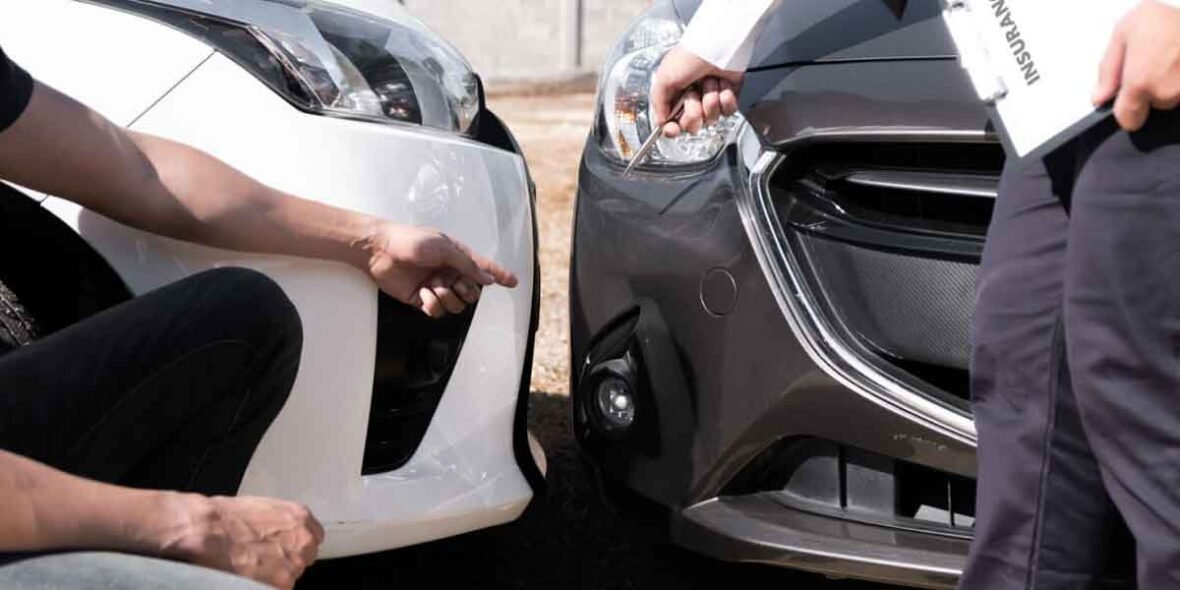
Every year, millions of visitors are drawn to Las Vegas by its lively atmosphere, world-class entertainment, and nonstop excitement. However, the city’s vibrant energy and sprawling roadways can create confusing and sometimes hazardous driving conditions, especially for visitors from out of town. With unfamiliar street layouts and heightened traffic around the Strip, tourists face a higher risk of crashes, making it crucial to understand the car accident settlement process. Recognizing how to handle a car accident as a tourist can save time, protect your health, and ensure fair compensation if you’re injured.
Tourists should prepare by knowing both the preventive steps to avoid being involved in local accidents and the best practices in case the worst should happen. Immediate and informed action can protect your legal rights in a state far from home. Moreover, Las Vegas’s bustling roads, pedestrian-heavy areas, and presence of rideshare vehicles add further complications for visiting drivers, making it crucial to understand how a car accident settlement works if you are ever involved in a collision.
Tourist drivers may also face unique challenges around rental agreements, varying insurance policies, and strict state traffic laws. Taking proactive steps, from learning traffic laws to understanding your responsibilities in the event of an accident, will make your trip safer and more stress-free. By following this comprehensive guide, you’ll be ready to respond effectively should you find yourself involved in a traffic incident while visiting Las Vegas.
Ultimately, being an informed and cautious tourist driver is a key step toward a worry-free stay in Las Vegas. For additional information about navigating accidents in unfamiliar cities, AARP’s travel safety guide is a useful resource for travelers.
Common Causes of Tourist Car Accidents
Las Vegas is a city unlike any other, and several factors contribute to the frequent car accidents involving tourists:
- Unfamiliarity with Roads: The city features a web of one-way streets, sudden turn-offs, and unfamiliar traffic patterns. Tourists navigating with GPS may become confused or make last-minute adjustments, increasing the risk of accidents.
- Distracted Driving: The dazzling neon lights, enormous billboards, and constant hum of activity along Las Vegas Boulevard can easily divert a driver’s attention from the road.
- Impaired Driving: Las Vegas’s party environment can lead some visitors to risk driving after drinking, greatly increasing the chance of a crash.
Immediate Steps to Take After an Accident
It’s natural to feel rattled following a car accident, especially far from home. If you are involved in a crash, remain as calm as possible and do the following:
- Ensure Safety: Before anything else, get yourself and others out of immediate danger if possible. Move to a safe nearby spot, activate hazard lights, and check for injuries.
- Call 911: Nevada law requires that any accident involving injury, death, or significant property damage be reported to law enforcement. Even in minor incidents, an official police report is invaluable for your claim.
- Exchange Information: Obtain names, contact details, and insurance information from all parties involved. Share your own insurance and driver’s license info, and note any witnesses.
- Document the Scene: Take clear photos or videos of the vehicles, the surrounding area, the signage, and any visible injuries. This documentation may provide essential evidence for your insurance claim or lawsuit.
- Seek Medical Attention: Some injuries, like whiplash or concussions, may not be immediately obvious. Consult a healthcare provider promptly and maintain written records of your care.
Understanding Nevada’s Car Accident Laws
Nevada operates under a fault-based system for determining liability in car accidents. This system has important implications for tourists. Firstly, drivers are legally obligated to stop at the scene of an accident, exchange information, and report the incident to law enforcement if necessary; failure to comply may lead to criminal charges, such as hit-and-run. Additionally, Nevada employs a comparative negligence principle, which means that if multiple drivers share fault in an accident, the compensation awarded may be adjusted based on each party’s degree of fault. Notably, if a driver is determined to be more than 50% at fault, they will be ineligible to receive damages.
Seeking Medical Attention
Even seemingly minor injuries can worsen without treatment. Promptly visiting urgent care or an emergency room not only protects your health but also creates vital medical records for your insurance claim. If you’re traveling internationally, confirm your health insurance coverage in advance.
Documenting the Accident Scene
Proper documentation can be the difference between a successful and a denied claim. Take photos from multiple angles, record the positions of vehicles, road hazards, and gather witness statements. Request an official copy of the police report as soon as it’s available.
Contacting Your Insurance Company
Notify your insurer immediately after the accident, and follow up with your rental agency if you were driving a rental. Provide all gathered evidence and cooperate fully during the investigation period to expedite your settlement process.
Consulting with a Local Attorney
Nevada’s traffic laws may differ from your home state, potentially complicating settlement negotiations or accident claims. A local attorney’s expertise ensures you understand your rights, helps with negotiations with insurance companies, and, if needed, represents you in court.
Preventive Measures for Tourists
Travelers planning to rent a car in Las Vegas should conduct research on local traffic regulations and identify intersections that may cause confusion. It is crucial to remain focused while driving, avoiding distractions such as cell phones, conversations, or flashing city lights. Drivers must not operate a vehicle under the influence of alcohol or drugs and should be aware of other potentially impaired drivers on the road. For those who feel anxious about driving in the city, alternative transportation options, such as public transit and rideshare services, are recommended. By being well-informed and proactive, tourists can reduce their risks and enhance their Las Vegas experience, prioritizing both safety and legal rights during their travels.
Conclusion
Navigating Las Vegas roads as a tourist presents unique challenges, including unfamiliar streets, distractions, and the risk of impaired drivers. Understanding the common causes of accidents, knowing the immediate steps to take after a collision, and being aware of Nevada’s laws can protect both your safety and legal rights. Prompt medical attention, thorough documentation, and timely communication with insurers are essential, and consulting a local attorney can help guide you through the claims process, including securing a fair car accident settlement. By staying informed, cautious, and prepared, tourists can minimize risks and enjoy their visit with greater peace of mind.