
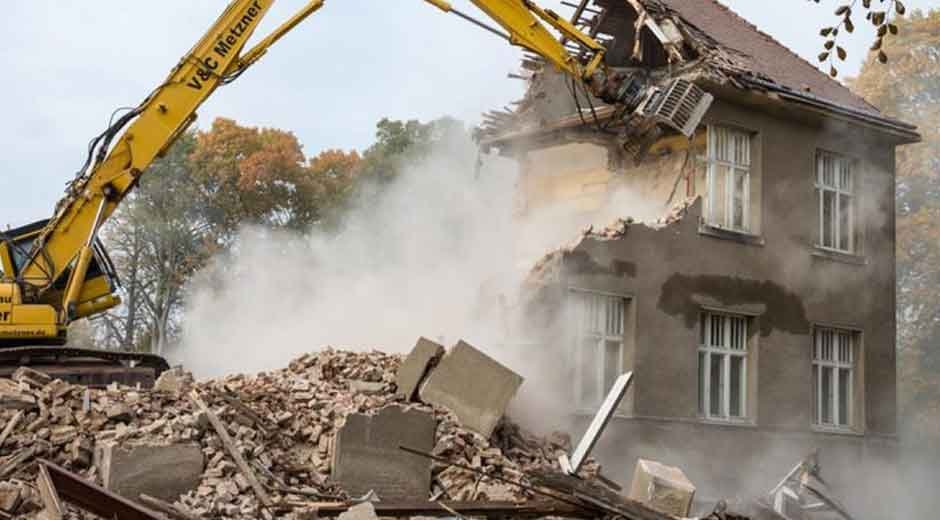
Property redevelopment always involves a critical step in the residential demolition. As homeowners and investors, they often want to know what the costs are associated with. Knowing costs with precision aids in proper planning and budgeting. Breaking down all components that form part of the final invoice helps in making better decisions and in avoiding nasty surprises when paying the bill.
Types of Demolition
Demolition projects typically fall into two categories: mechanical and deconstruction. Some of the best demolition companies in Los Angeles rely on heavy machinery to tear down structures quickly. Deconstruction involves carefully dismantling a building to salvage materials. Each approach influences both labor needs and disposal expenses, affecting the total price.
Permits and Inspections
Most local building authorities require permits before the demolition process starts. These are permits that will ensure that all the work is up to regulation and proper construction safety standards. The cost of these permits varies by location and project size. Inspection fees may also play a significant role, especially when identifying or removing hazardous materials. Avoiding this step may lead to a fine or legal conflict down the road.
Labor and Equipment Costs
Labor bears a significant portion of the demolition costs. It requires skilled workers to remove the building material safely and in a hassle-free manner. Then there are equipment rentals that increase the invoice with prices determined by the tools necessary for the job. If the house is bigger or has a more complicated design, it may require specialized machinery, making it cost extra.
Waste Removal and Disposal
All debris must be responsibly managed when a home is torn down. Hurray and landfill fee—these are typically included in the demolition estimate. A few materials, like concrete and metal, can be recycled, which helps reduce costs. Hazardous waste such as asbestos or lead needs to be disposed of with particular care, leading to higher prices.
Site Preparation and Cleanup
The demolition company in Los Angeles doesn’t end with the collapse of walls and roofs. The ground will need to be cleared of debris and prepared for the next step, which will be rebuilding or landscaping. Cleaning crews may have to excavate—cut out—tree trunks, old foundations, or even underground tanks. Once proper site preparation has happened, when you build however many structures that you need, you can rest, as you will know without a doubt that the place is your land and that it is safe and ideal for development.
Hazardous Material Handling
Older homes have hazardous building materials. It is essential to detect things like asbestos, mold, or lead paint before any demolition work begins. Teams then remove these materials safely and adhere to regulations. While this process is frequently pricier than conventional waste removal, it ensures a better atmosphere for those in its potable aquatic conservation range.
Location and Accessibility
The location of the property has a tremendous impact on the price paid to demolish it. Dense urban placements may need additional safety considerations and traffic control for homes. For instance, accessibility problems such as tight streets or limited access to equipment boost labor and equipment fees. Dealing with rural properties often involves longer transport distances for debris.
Size and Structure Complexity
Size and shape are important factors in the total demolition cost of a building. The dismantling process of larger homes takes longer and requires more effort than smaller homes. We should approach complex architecture, such as basements, chimneys, or additions, differently. Typically, multistory buildings increase both labor and equipment impact.
Unforeseen Circumstances
Sometimes demolition will uncover surprises—think unmarked utility lines or hidden tanks. Such surprises can derail progress and lead to extra expenses. A contingency fund is reserved in the budget for this type of issue to prevent a minor one from turning into a catastrophe.
How to Save on Demolition Costs
Planning and obtaining multiple bids from contractors can minimize the cost. You can even offset some of your costs by salvaging reusable building materials, such as doors or fixtures. Local recycling programs or community reuse centers, in addition, may also reduce your disposal bills.
Conclusion
A clear breakdown of residential demolition costs helps property owners make the right decision. Every project is different, and there are no defined parameters that determine the ultimate price. If you know your stuff beforehand, the entire process will be as easy as a breeze. You can easily approach and execute a project related to a demolition company in Los Angeles with confidence and efficiency if you have the right information at your disposal.