
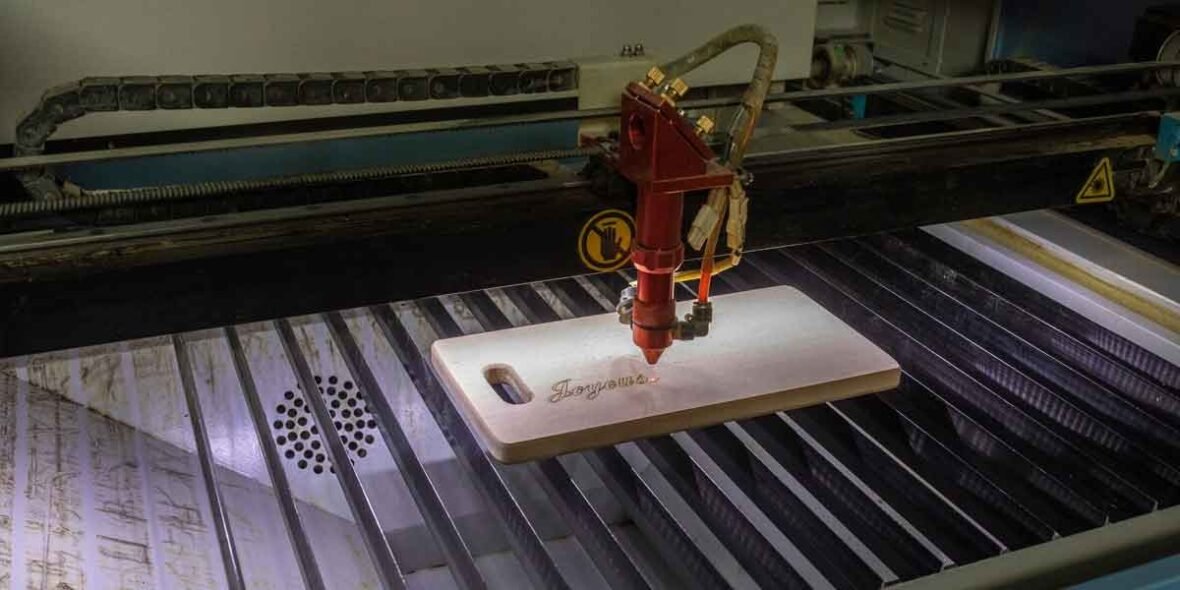
Across Australia, industries such as manufacturing, mining, electrical contracting, and construction depend on durable identification labels and permanent markings. Equipment nameplates, asset tags, compliance plates, and safety signage must remain clear and readable even in harsh operating environments. For businesses that regularly require these markings, investing in an industrial engraving machine can provide greater control over production, improved turnaround times, and long-term cost efficiency.
Modern engraving systems are built to create precise, long-lasting markings on a wide range of materials, including plastics, laminates, and metals. Many workshops across Australia are now bringing engraving in-house to reduce their dependence on external suppliers and maintain consistent quality across their identification labels.
Understanding the benefits of industrial engraving technology can help businesses determine whether this type of investment is the right choice for their operations.
The Importance of Permanent Industrial Marking
Industrial environments often expose equipment and labels to extreme conditions. Heat, chemicals, moisture, and mechanical wear can quickly damage adhesive labels or printed markings. Engraving provides a reliable alternative because it permanently alters the surface of the material.
In many industrial settings, permanently engraved labels are used for:
- Equipment nameplates
- Asset identification tags
- Electrical switchboard labels
- Compliance and certification plates
- Industrial safety signage
Because these markings remain visible for long periods, they help improve equipment traceability, maintenance processes, and workplace safety.
For many industries, durable marking is not only beneficial but also necessary for regulatory compliance and asset management.
How Industrial Engraving Machines Work?
Industrial engraving machines typically use either mechanical rotary cutting or laser technology to mark materials.
Rotary engraving systems use a rotating cutting tool that removes the top layer of the material to create letters, numbers, or graphics. These machines are commonly used for engraving plastics, laminates, and softer metals.
Laser engraving systems, on the other hand, use concentrated beams of light to etch or mark the surface of the material without direct contact. Laser systems are known for producing extremely precise markings and can engrave detailed logos, serial numbers, and barcodes.
Both technologies deliver consistent results and can work with design software to automate repetitive engraving tasks.
Why Stainless Steel Engraving Is Widely Used?
Among all industrial materials, stainless steel is one of the most popular choices for engraved labels and nameplates. It is strong, corrosion-resistant, and capable of withstanding extreme environmental conditions.
Many industries rely on stainless steel engraving, including:
- Mining and heavy equipment operations
- Manufacturing and engineering workshops
- Electrical infrastructure and switchboards
- Marine and outdoor installations
- Asset management and equipment tracking
Because of its durability, stainless steel is often selected for labels that must remain readable for many years without deterioration.
Workshops that regularly produce metal identification plates may benefit from dedicated Stainless Steel Engraving Machines designed to create high-contrast, permanent markings on metal surfaces.
Benefits of Investing in an Industrial Engraving System
Many Australian businesses are finding that bringing engraving in-house offers clear advantages over outsourcing.
1. Faster Production
When engraving equipment is available on site, labels and nameplates can be produced immediately whenever required. This eliminates delays caused by external suppliers and courier delivery times.
2. Greater Workflow Control
In-house engraving allows workshops to create labels exactly when they are needed. This flexibility is particularly useful for urgent repairs, equipment upgrades, or compliance updates.
3. Consistent Quality
Using engraving templates and automated systems ensures that every label maintains a consistent design and professional appearance.
4. Reduced Long-Term Costs
Although purchasing engraving equipment requires an initial investment, many businesses find that producing labels internally reduces ongoing outsourcing expenses.
Factors to Consider Before Purchasing an Engraving Machine
Before investing, businesses usually consider how engraving equipment will fit into their daily operations.
1. Material Types
The type of materials you regularly engrave will influence which system is most suitable. Some machines are designed for plastics and laminates, while others specialise in metal marking.
2. Production Volume
Businesses producing high volumes of labels may require larger or more powerful machines capable of continuous operation.
3. Software Compatibility
Modern engraving systems rely on design software that allows operators to create layouts, serial numbers, and barcodes. Choosing user-friendly software can greatly improve efficiency.
4. Workspace Requirements
Industrial engraving machines vary in size. Workshops should ensure there is sufficient space for installation and safe operation.
Industries Driving Demand in Australia
The demand for engraving technology continues to grow across several sectors in Australia.
Several industries rely on industrial engraving, including:
- Electrical contractors and switchboard manufacturers
- Mining and heavy industry operations
- Manufacturing and engineering workshops
- Construction and infrastructure projects
- Asset management and industrial maintenance services
These industries require reliable marking solutions that remain visible throughout the lifespan of equipment.
Final Thoughts
Permanent identification labels are essential for many industrial operations in Australia. Engraving technology provides a dependable method for creating durable markings that can withstand demanding environments.
Making this shift often helps speed up production, gives businesses better control over their workflow, and can reduce long-term costs.
Before investing, it’s helpful to look closely at the materials you work with, the volume of production, and how the equipment would fit into daily operations. With the right setup, an industrial engraving system can become a practical way to improve efficiency and reliability in the workshop.