
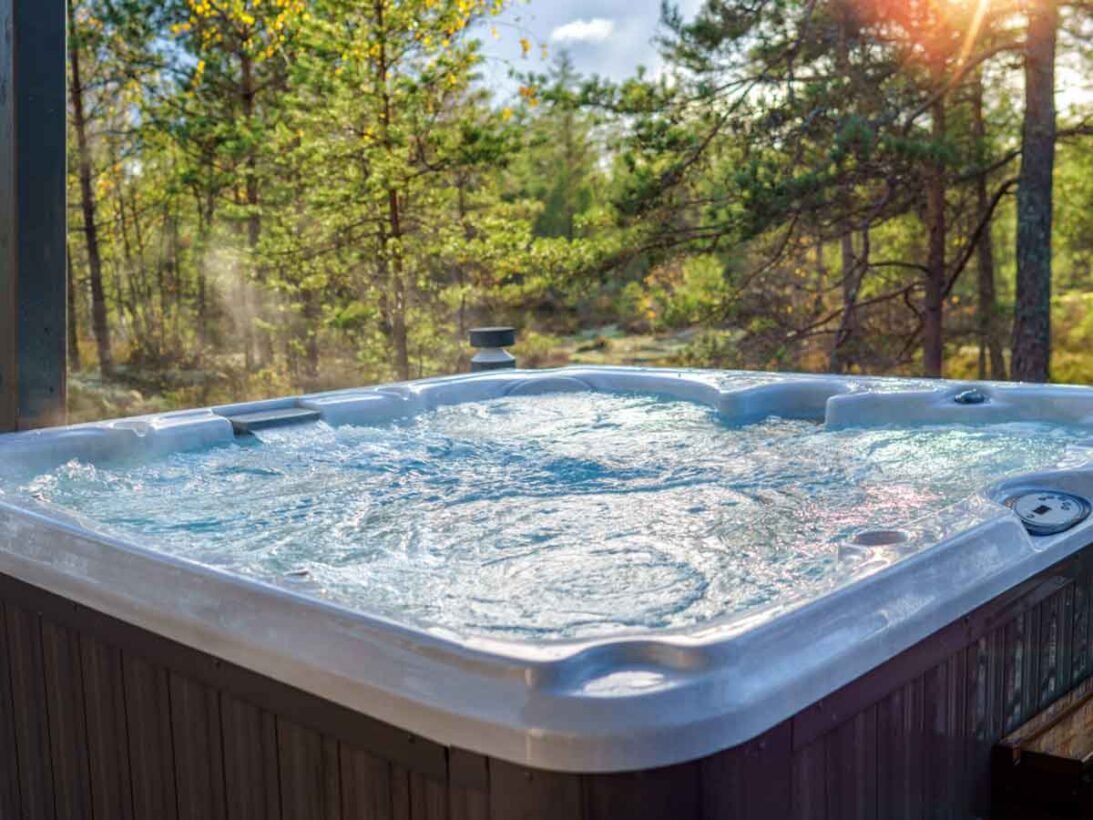
Choosing a hot tub is a long-term decision that affects comfort, maintenance responsibilities, energy use, and overall satisfaction for years to come. While many buyers focus first on size or price, the most critical factors are less visible at the showroom stage. Understanding how construction quality, system design, and ownership considerations influence daily use helps buyers make informed choices that go beyond surface-level comparisons.
This article focuses on buyer education rather than brand promotion. It explains how evaluating materials, insulation, jet performance, energy efficiency, and water care systems contributes to long-term value. It also clarifies why guidance from a knowledgeable source, such as a jacuzzi hot tub dealer store, helps navigate options without turning the purchase into a sales-driven decision.
Why Long-Term Value Matters More Than Initial Price
A hot tub is not a short-term purchase. Its value is measured by years of reliable performance, manageable operating costs, and consistent comfort. Buyers who compare prices alone may overlook factors that influence the total cost of ownership.
Key elements of long-term value are:
- Structural durability that resists wear and environmental exposure
- Energy efficiency that keeps monthly costs predictable
- Ease of maintenance that fits into daily life
- Comfort that remains consistent over time
Focusing on these factors reduces the likelihood of costly repairs or premature replacement.
Build Materials and Structural Integrity
The materials used in a hot tub directly affect its performance over time. Shell construction, frame design, and cabinet materials all contribute to durability and comfort.
Shell Construction and Support
A well-supported shell maintains its shape and integrity under repeated use and temperature changes. Poorly supported shells may flex over time, leading to surface stress or discomfort.
The following are important considerations:
- Multi-layer shell construction for strength and insulation
- Reinforced support structures to prevent movement
- Surface finishes designed to resist fading and wear
Cabinet and Frame Design
The exterior structure protects internal components and contributes to insulation. Cabinets made from durable, weather-resistant materials reduce long-term maintenance and help preserve internal systems.
Insulation and Energy Efficiency
Energy efficiency is a critical factor in long-term ownership. Heat retention affects both comfort and operating costs, especially in colder climates common across North America.
Well-insulated hot tubs can help:
- Maintain water temperature more consistently
- Reduce energy demand during heating cycles
- Provide quieter operation by stabilizing internal components
Well-designed insulation plays a significant role in reducing ongoing energy use. Guidance on residential water heating efficiency shows that improved insulation and heat retention can meaningfully reduce energy consumption over time, resulting in more stable operating costs for systems that maintain warm water continuously.
Jet Performance and Comfort Design
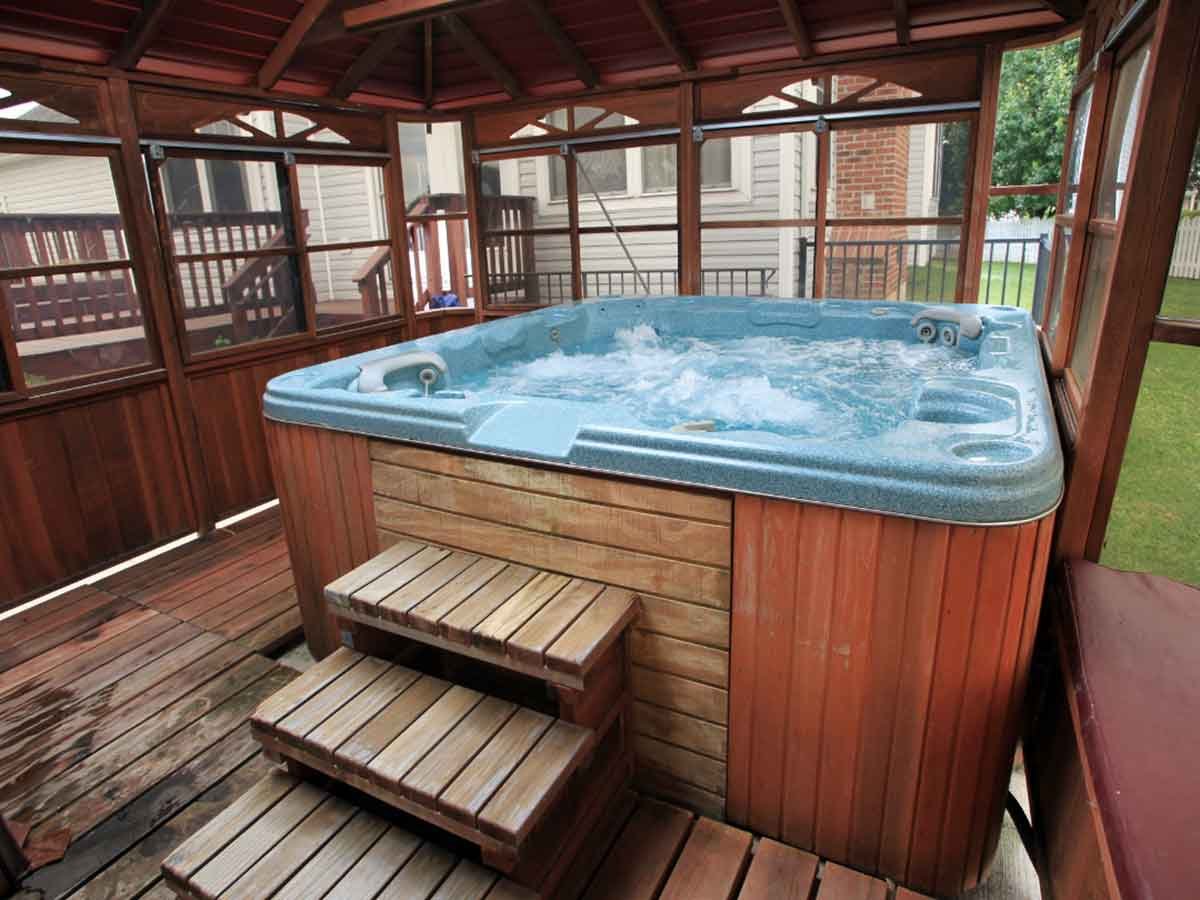
Jets are usually the most visible feature, but performance matters more than quantity. Effective jet systems are designed to deliver consistent pressure while supporting ergonomic seating.
Jet Placement and Function
Jet placement should align with natural muscle groups rather than focusing on visual symmetry. This supports relaxation and recovery rather than overstimulation.
Considerations include:
- Targeted jet zones for back, shoulders, and legs
- Adjustable pressure settings for different users
- Balanced water flow to maintain consistent performance
Seating and Ergonomics
Comfort is influenced by seat depth, contouring, and spacing. A well-designed hot tub accommodates different body types without forcing awkward positioning.
Water Care Systems and Maintenance
Water care affects both health and maintenance effort. Systems that simplify sanitation reduce the time and cost required to keep water clean.
Adequate water care systems support:
- Stable water chemistry
- Reduced manual adjustments
- Clear, comfortable water over extended use
Buyers should understand how filtration, circulation, and sanitation work together rather than focusing on single features.
Installation and Site Preparation
Proper installation is essential for safety and performance. Site preparation affects structural stability, drainage, and accessibility.
Here are key installation factors:
- Level and reinforced foundation
- Electrical requirements that meet local codes
- Access for future servicing
Overlooking installation requirements can lead to performance issues unrelated to the hot tub itself.
Warranties and Ownership Support
Warranty coverage reflects how manufacturers and retailers approach long-term ownership. Buyers should review what is covered, how claims are handled, and what support is available after purchase.
Strong warranty considerations comprise:
- Clear coverage terms for shell, components, and systems
- Reasonable service timelines
- Access to trained technicians
This is where working with a reliable hot tub store can influence long-term satisfaction by helping buyers understand support expectations before purchase.
Common Mistakes Buyers Make
Many buyers experience dissatisfaction not because of the hot tub itself, but because of how the decision was made.
Common mistakes to look out for:
- Comparing prices without evaluating construction quality
- Ignoring energy efficiency and long-term costs
- Overlooking maintenance requirements
- Assuming all hot tubs offer similar comfort
Avoiding these pitfalls leads to more confident and informed ownership.
Understanding the Role of a Specialized Retailer
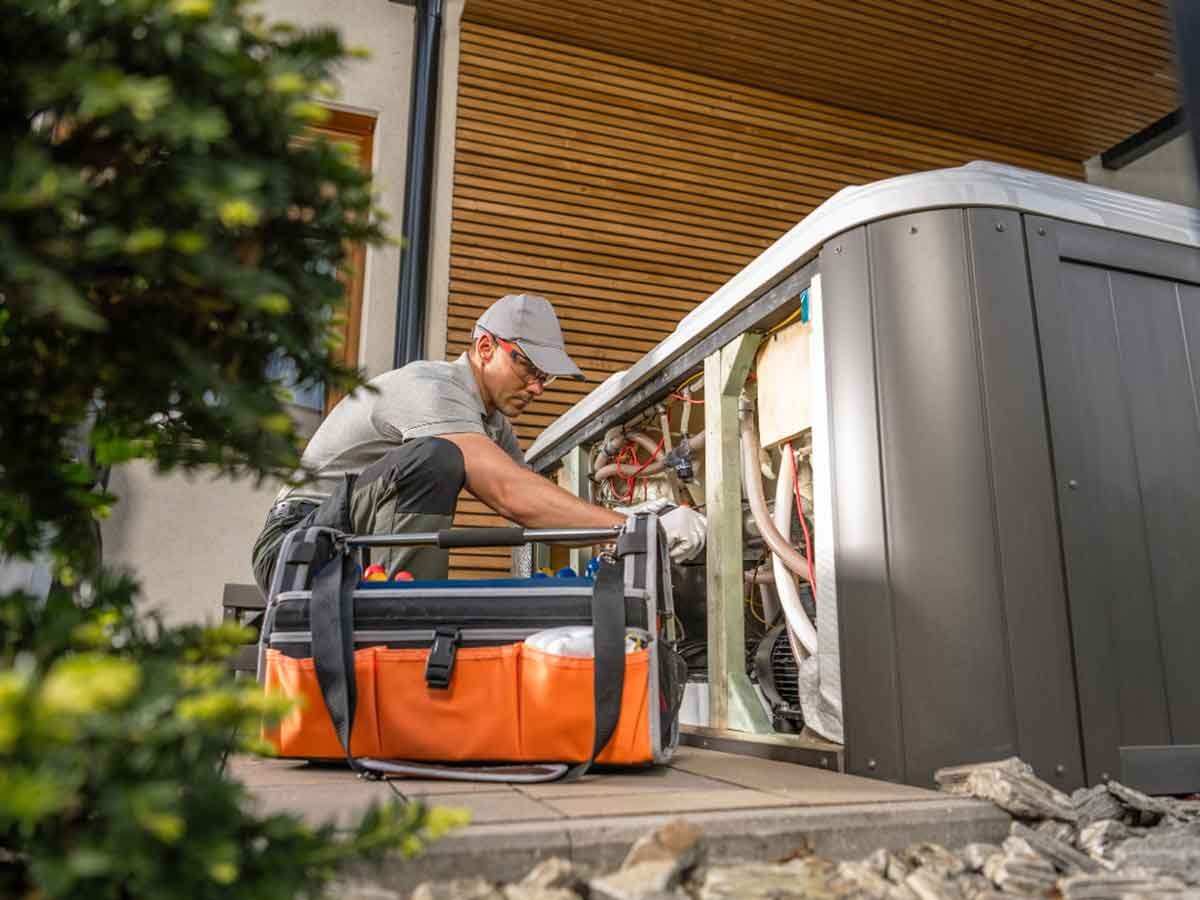
A hot tub dealer serves as a source of product knowledge, installation guidance, and ownership education. This role is often misunderstood when buyers focus solely on price comparisons.
A specialized retailer helps buyers:
- Compare features based on usage needs
- Understand differences between models objectively
- Plan for installation and long-term maintenance
Rather than acting as a promotional channel, a knowledgeable dealer supports informed decision-making.
Evaluating Best Hot Tubs Without Brand Bias
The best hot tubs are those that align with how they will be used. Evaluating performance, efficiency, and comfort objectively helps buyers avoid brand-driven assumptions.
Essential evaluation criteria include:
- Build quality and insulation
- Jet performance relative to comfort goals
- Maintenance simplicity
- Long-term operating costs
A jacuzzi hot tub, like any other type, should be assessed based on these fundamentals rather than reputation alone.
Making Confident Hot Tub Decisions That Stand the Test of Time
Choosing a hot tub for long-term comfort and value requires looking beyond surface features and initial pricing. Buyers who understand how materials, insulation, jet performance, water care, and support systems work together are better positioned to make decisions that support years of satisfaction.
By coordinating with a reliable jacuzzi hot tub dealer store that prioritizes guidance over promotion, buyers can confidently navigate options. Informed purchasing decisions lead to better comfort, lower operating costs, and a more rewarding ownership experience over time.