

A house with an open-concept kitchen and a sun-filled backyard might feel like the one. However, feelings may fade once the reality of a leaking roof or an outdated electrical panel sets in after closing. The homes that look perfect at first glance sometimes carry hidden costs, unresolved issues, and contractual complications that only surface after closing, when it is too late to walk away.
The most effective way to protect yourself is to ask the right questions at every stage of the process. It is helpful to consult a professional realtor for home buying tips before you even begin viewing properties. Their expert guidance helps you identify which questions matter most and interpret what sellers tell you. This article walks you through the essential questions every buyer should be asking, from start to finish.
Questions to Ask About the Property Itself
Understanding what you are actually buying is the foundation of smart home buying. A thorough evaluation of the property’s physical condition protects prospective home buyers from inheriting expensive problems that the seller may not be required to disclose.
What Is the Age and Condition of Major Systems?
The four systems that generate large post-purchase repair bills are the roof, HVAC, plumbing, and electrical. Before making any offer, ask the seller directly about the age and service history of each. A roof that is 18 years old, an HVAC system that has never been serviced, or electrical wiring that predates modern safety standards can each cost tens of thousands of dollars in the near term. Ask specifically:
When was the roof last replaced, and are there any known areas of concern?
Has the HVAC system been inspected and serviced within the last 12 months?
Are there any known issues with the plumbing, including polybutylene pipes or galvanized lines?
Has the electrical panel been updated, and does the home meet current code requirements?
Are there any active water infiltration issues in the basement or crawl space?
What Has the Home Inspection Revealed?
Never waive a home inspection, regardless of market pressure. A certified inspector can identify structural, mechanical, and safety issues that are invisible to an untrained eye. Once you have the report in hand, do not simply accept the seller’s characterization of its findings. Ask your realtor to help you understand which items are urgent, which are negotiable, and which represent deal-breakers.
What Is the Renovation and Repair History?
Ask the seller to provide documentation of any significant renovation and repair work carried out on the property, including the contractors used and whether applicable permits were obtained. Unpermitted work can create complications when you eventually sell the home, and it may also signal that the work was completed without proper inspections or to substandard quality. Outstanding bylaw violations should also be identified and resolved as a condition of closing.
Questions to Ask About the Neighbourhood and Community
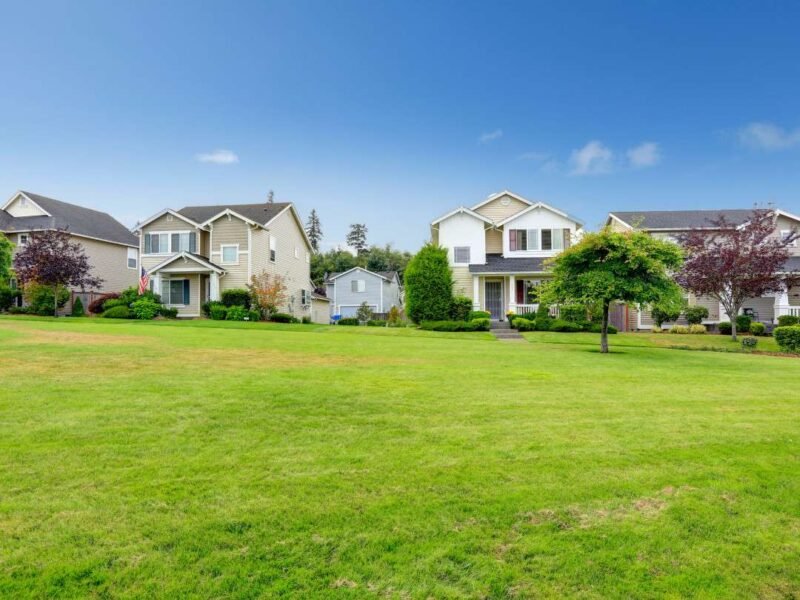
The home itself is only part of the equation for prospective home buyers. The surrounding community, its trajectory, and its infrastructure will influence both your quality of life and the long-term value of your investment.
How Has the Neighbourhood Changed in Value Over Recent Years?
Property values are shaped by local dynamics that extend well beyond a home’s features. Ask your realtor to pull comparable sales data from 5 to 10 years ago to assess whether values in the neighbourhood have appreciated consistently, plateaued, or declined. Also ask about any planned developments in the area, as new transit lines, commercial zones, or major infrastructure projects can meaningfully shift property values in either direction.
What Are the Proximity and Access Considerations?
Evaluate how well the neighbourhood supports your daily life and long-term needs.
Key factors to assess:
Proximity to schools and whether the property falls within desirable catchment areas
Access to public transit, major roads, and commuter routes
Distance to grocery stores, healthcare facilities, and recreational amenities
Walkability and cycling infrastructure for day-to-day errands
What Do Local Crime and Community Statistics Show?
A neighbourhood’s safety profile and community character deserve careful attention before committing to a purchase. Look into:
Publicly available crime statistics from local police service reports
Municipal and community board resources for neighbourhood trend data
Input from current residents, where accessible, about the day-to-day community feel
Financial Questions You Must Answer Before Proceeding
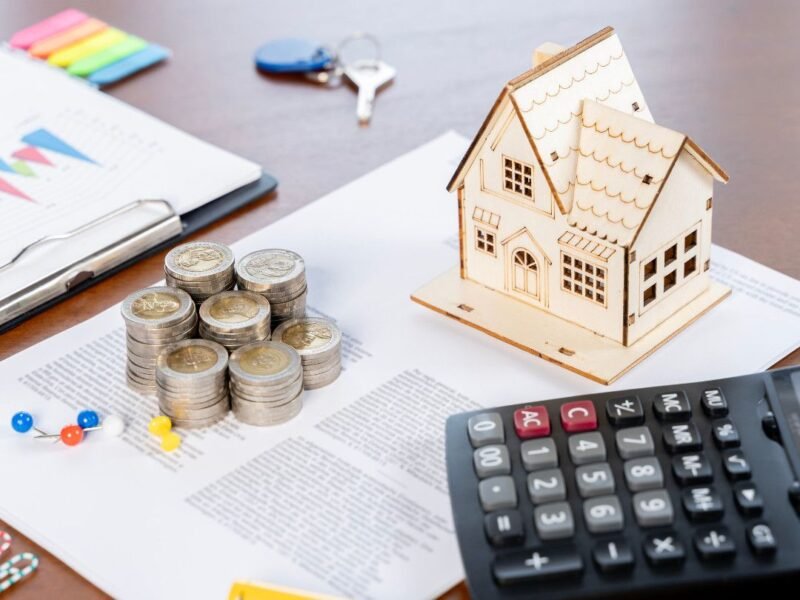
According to recent homebuyer survey data, approximately 38% of buyers went beyond their initial budget during the purchase process, with nearly half of first-time buyers admitting they overpaid. Understanding the full financial picture before you commit is essential for any informed new home purchase.
Does the Asking Price Reflect Current Market Conditions?
A listing price is a starting point. Ask your realtor to provide a comparative market analysis (CMA) that assesses what similar properties in the same neighbourhood have recently sold for. A home priced above market can still be the right purchase, but only if you understand why and factor that into your offer strategy.
What Does Total Cost of Ownership Look Like Beyond the Mortgage?
Many prospective home buyers focus almost exclusively on their mortgage payment and underestimate the full cost of ownership. In addition to your mortgage principal and interest, you will need to account for:
Property taxes and any applicable special assessments
Home insurance premiums
Utilities, including heating, electricity, and water
Routine maintenance and reserve funds for major repairs
Condominium or strata fees, if applicable
Land transfer taxes and closing costs
Does the Property Have Strong Long-Term Resale Potential?
No matter how long you intend to stay, every home you buy will eventually be the one you sell. Asking the right questions about resale potential now will help you avoid buying a property that is difficult to market in the future. Consider the lot size and configuration, the number of bedrooms and bathrooms relative to neighbourhood norms, street appeal, and any features that could limit the pool of future buyers.
Questions to Ask About the Legal and Contractual Aspects
The legal side of a new home purchase is where many buyers feel least confident, and where the costliest oversights occur. Your offer is a legally binding document, and understanding its structure matters.
What conditions should be included in your offer? At a minimum, include conditions for a satisfactory home inspection, financing approval, and title review. Condo purchases should also incorporate a review of the status certificate.
What are the seller’s disclosure obligations? In most Canadian provinces, sellers must disclose known material latent defects that could affect the property’s value or habitability. Understanding what is legally required to be disclosed helps you ask sharper questions during negotiations.
What does the closing timeline and cost structure look like? Closing costs in Canada range from 1.5% to 4% of the purchase price and cover legal fees, land transfer taxes, title insurance, and adjustments. Confirm the closing date aligns with your financing window and that all associated costs are accounted for in your budget.
Stop Guessing, Start Asking: Your Path to a Smarter Home Purchase
Asking the right questions is not about being skeptical for its own sake. It is about making one of the largest financial decisions of your life with clarity, confidence, and complete information. Moving from emotional interest to informed decision-making requires a systematic approach across four domains: the property’s physical condition, the neighbourhood’s character and trajectory, the full financial picture, and the legal framework of the transaction.
Moreover, it is always best to consult a professional realtor for home-buying tips throughout this process. The right realtor helps prospective home buyers interpret market data, ask the questions sellers may prefer not to answer, and structure an offer that protects your interests. Whether you are a first-time buyer or returning to the market after years away, approaching every new home purchase with a well-prepared list of questions is the single most effective step you can take before committing to any property.