
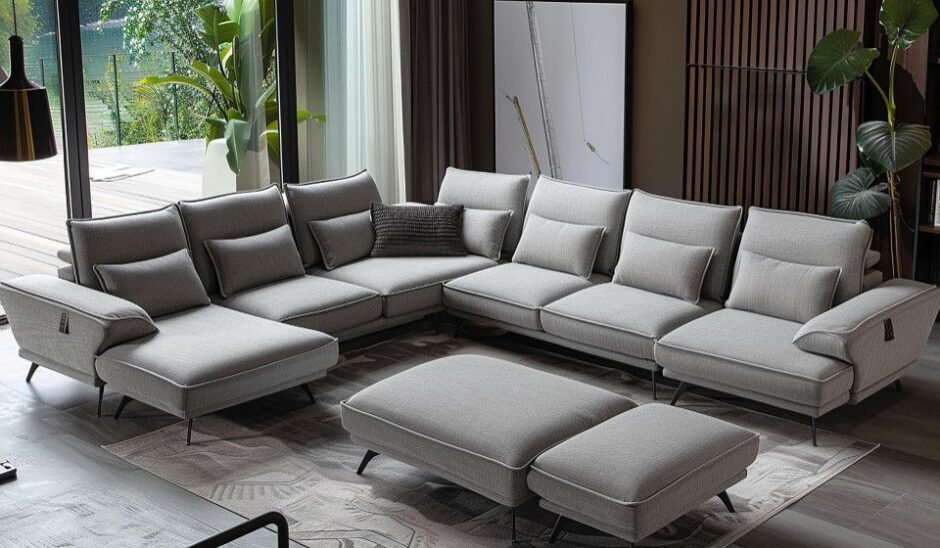
Creating a home that feels balanced and inviting is not just about choosing stylish furniture—it is about selecting pieces that fit the space correctly. The size of each item and how it relates to others can completely influence how a room looks and functions. From compact apartments to spacious open-plan layouts, the right balance of scale and proportion ensures comfort, movement, and visual harmony. Whether incorporating statement pieces or flexible options like Modular sofas in Perth, understanding these design principles helps create a space that feels cohesive, practical, and effortlessly well-designed.
Understanding Scale vs Proportion
Scale refers to the size of furniture in relation to the room, while proportion describes how different pieces relate to each other. When these elements are aligned, a room feels cohesive. When ignored, even high-quality furniture can appear awkward or overwhelming.
Large furniture in a small room can feel cramped and restrictive, while undersized pieces in a spacious area may make the space feel empty and disconnected. The goal is to strike a balance where every item complements both the room and the surrounding furnishings.
Why Furniture Scale Matters
- Prevents Overcrowding or Emptiness: Oversized furniture can make a room feel cramped, while undersized pieces may leave it feeling sparse and unfinished.
- Enhances Functionality: Properly scaled furniture allows for easy movement and practical use. Walkways, seating arrangements, and storage all depend on thoughtful sizing.
- Supports Visual Balance: A room with well-scaled furniture feels calm and intentional, rather than chaotic or disjointed.
The Role of Proportion in Visual Harmony
Proportion ensures that furniture pieces relate well to one another. A low-profile sofa pairs best with a similarly low coffee table, while tall bookshelves work better alongside substantial seating.
Balanced proportion creates a natural rhythm within the room. For example, pairing a large sectional with delicate side tables may feel mismatched, whereas coordinating sizes and visual weight leads to a cohesive aesthetic.
How Modular Furniture Enhances Balance
Flexible furniture solutions play a key role in achieving the right scale and proportion. Modular seating, in particular, allows layouts to adapt based on room size and usage.
Modular Sofas are a practical example of this adaptability. They can be configured to suit both compact living rooms and expansive open spaces, ensuring that the furniture fits the room rather than forcing the room to accommodate it.
This flexibility helps maintain visual balance while also supporting changing lifestyle needs.
Choosing the Right Bed Size for Bedroom Proportion
Bedrooms benefit significantly from well-proportioned furniture. The bed is the focal point, and its size should align with the room dimensions.
A king-sized bed in a small bedroom can limit movement and reduce functionality, while a smaller bed in a large room may feel underwhelming. Complementary pieces such as bedside tables and wardrobes should also align in scale.
When exploring options like bed frames with a free mattress, it becomes important to evaluate not just value but also how the bed fits within the overall room layout. Proper spacing around the bed ensures both comfort and visual clarity.
Creating Flow Through Proper Spacing
Scale and proportion are not just about furniture size but also about spacing. Adequate distance between pieces allows for easy movement and prevents the room from feeling cluttered.
Maintaining clear walkways, ensuring furniture does not block natural light, and allowing breathing space between items all contribute to a more open and inviting environment.
Even in smaller homes, thoughtful spacing can make a significant difference in how the space feels.
Balancing Statement Pieces
Statement furniture can enhance a room, but only when balanced correctly. A bold sofa, oversized artwork, or large dining table should be complemented by simpler, proportionate elements.
Too many large or visually heavy pieces can overwhelm the space. Instead, combining one focal point with supporting furniture of appropriate scale creates a balanced and visually appealing composition.
Common Mistakes to Avoid
- Ignoring Room Dimensions: Buying furniture without measuring the space often leads to poor fit and awkward layouts.
- Mixing Incompatible Styles and Sizes: Combining overly bulky furniture with delicate pieces can create an imbalance.
- Overfilling the Room: Leaving some negative space is essential. Not every corner needs to be occupied.
How to Get Scale and Proportion Right
- Measure Everything: Room dimensions, ceiling height, and entryways all matter when selecting furniture.
- Use Visual Anchors: Rugs, lighting, and artwork help ground furniture and create a sense of proportion.
- Think in Layers: Combine large, medium, and small elements to build depth and interest.
- Test Layouts Before Committing: Use painter’s tape or digital tools to map out furn
Frequently Asked Questions
What is the difference between scale and proportion in furniture?
Scale refers to how large or small furniture is in relation to the room, while proportion focuses on how different pieces relate to each other in size and shape.
How can furniture make a room look bigger?
Choosing appropriately sized furniture, maintaining clear spacing, and avoiding overcrowding can make a room feel more open and spacious.
Are modular sofas suitable for small spaces?
Yes, modular sofas can be configured to fit smaller layouts, making them a versatile choice for maximising both space and comfort.
How much space should be left between furniture pieces?
A general guideline is to allow enough room for easy movement, typically around 60–90 cm for walkways, depending on the layout.
Why is bed size important in room design?
The bed is the focal point of the bedroom. Its size affects both functionality and visual balance, making it essential to choose one that fits comfortably within the space.