
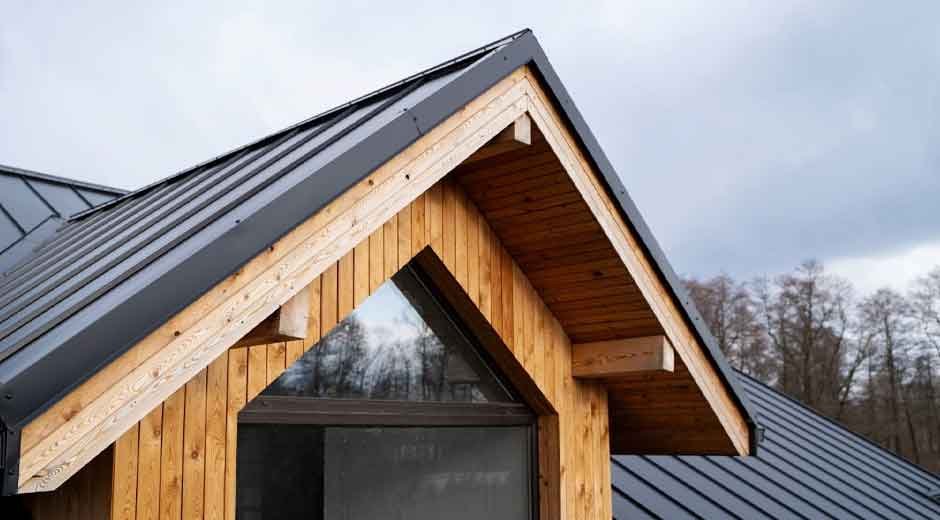
Sometimes when standing under a carport or along a covered walkway, it becomes clear that what happens at the sides affects the whole space more than expected. A UPVC vinyl slat (referred to as ระแนงไวนิล UPVC in Thai) often sits there quietly doing its part, shaping how air moves, how rain behaves, and how protected the area actually feels on a windy day.
Below is a closer look at where this shows up in real home builds and how it connects back to the bigger picture of exterior planning.
Improved Side Protection for Covered Areas
Rain does not always fall straight down. On windy days, you may notice it blowing sideways into areas that are meant to stay dry, especially under carports or along covered walkways. Slatted exterior panels reduce that side exposure without fully closing the space, so air can still move through.
That small change often makes a visible difference on nearby finishes like exterior house paint, which sometimes shows water streaks after storms. Less splashback means fewer marks on walls and support posts, which many homeowners appreciate after investing in fresh exterior updates.
Enhanced Water Flow Control Around Roof Edges
Bear in mind that water tends to behave unpredictably once it reaches the edges of a roof. It can drip, spread sideways, or bounce off surfaces below. When slatted panels are positioned near roof borders, they help steer stray runoff towards the intended drainage line instead of letting it spill across open sides.
This even shows up in more unusual builds like a habitable tree house, where wind and height make water control trickier. In typical homes, it helps reduce damp corners near balconies and service yards, areas where water usually lingers longer than expected.
Structural Support for Semi Outdoor Roof Designs
Open-roofed spaces often feel undersupported when there are no side elements to hold the structure visually and physically. Vertical slatted features act as light framing, giving form to verandas, pergolas, and covered corridors around the home.
You might notice this more in larger residential layouts where roofs span longer distances between columns. The panels help distribute wind exposure across the space, so the structure does not feel like it is sitting on isolated posts. That adds a sense of stability without turning the area into a closed room.
Sun and Heat Management Beneath the Roof
Anyone who has stood under a metal roof on a warm afternoon knows how quickly heat can build up. Slatted side installations soften the glare and break up direct sunlight while keeping airflow active through the space.
Some people find that this makes carports, porches, and garden seating areas more usable, especially during midday. The roofing above does its job for rain and shade, but the slatted sides reduce the trapped heat feeling that often happens in fully sealed or completely open setups.
Visual Continuity in Exterior Construction Systems
Exterior spaces can start looking disjointed when every section uses a different style or surface. Slatted features make it easier to visually connect roofed areas with boundary walls, garden dividers, covered walkways, and many others.
You might notice this in modern housing developments where the same design language carries across driveways, terraces, and perimeter screens. It creates a smoother visual flow between structural elements and drainage areas, making the whole property feel more cohesive rather than pieced together over time.
Get in touch with Thailand-based VG-CNP to find options on high-quality roofing sheets and gutters, and related materials.