
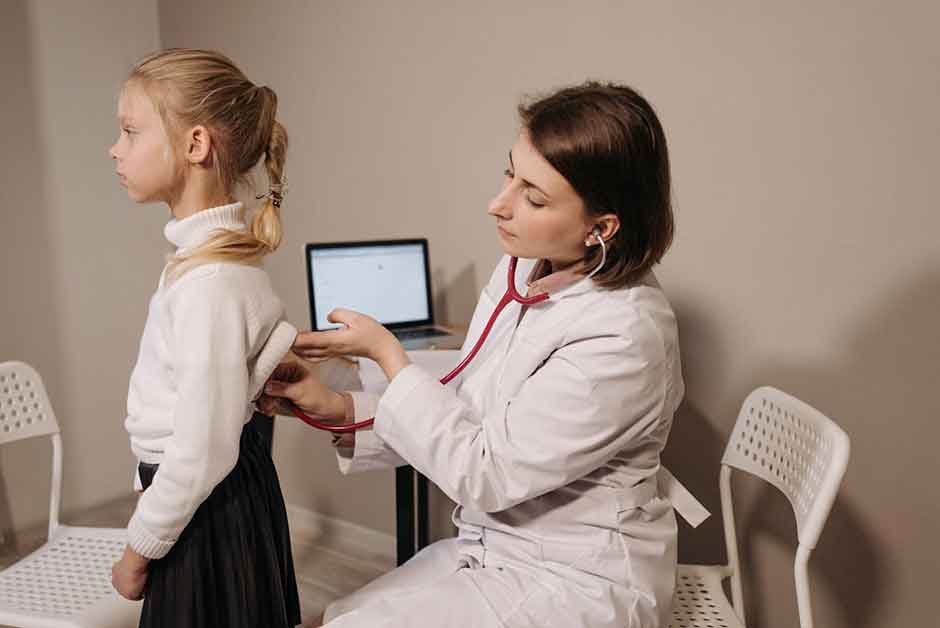
Urgent care centers have become a vital part of the healthcare system, offering fast, affordable treatment for a wide range of non-life-threatening conditions. Whether you’re dealing with a sudden illness, a minor injury, or need diagnostic testing, urgent care provides a convenient alternative to emergency rooms and primary care offices—especially when time and access matter most.
Respiratory and Flu-Like Symptoms
One of the most frequent reasons people visit urgent care is for respiratory illnesses. These include:
- Common cold
- Influenza
- COVID-19 symptoms
- Bronchitis
- Pneumonia
- Asthma flare-ups
Urgent care providers can evaluate symptoms, perform rapid tests, and prescribe medications to help manage these conditions. They also offer breathing treatments and monitor oxygen levels when needed. Timely care can prevent complications and help patients recover faster.
Infections and Skin Conditions
Urgent care centers are equipped to diagnose and treat a variety of infections, including:
- Ear infections
- Sinus infections
- Urinary tract infections
- Eye infections (e.g., pink eye)
- Skin infections such as cellulitis, abscesses, and impetigo
These conditions often cause discomfort and can worsen without treatment. Urgent care providers may prescribe antibiotics, antivirals, or topical medications depending on the diagnosis. They can also perform minor procedures like draining abscesses or removing foreign objects from the skin.
For patients seeking care at TGH Urgent Care powered by Fast Track, services include treatment for these common infections and more, delivered by experienced medical professionals in a patient-friendly setting.
Gastrointestinal Issues
Digestive problems can strike suddenly and disrupt daily life. Urgent care centers treat a range of gastrointestinal concerns, such as:
- Nausea and vomiting
- Diarrhea
- Abdominal pain
- Acid reflux
- Food poisoning
- Dehydration
Providers may perform lab tests or recommend hydration therapy to help stabilize symptoms. For mild to moderate cases, urgent care is a safe and effective option that avoids the long wait times and higher costs of emergency rooms.
Minor Injuries and Musculoskeletal Problems
Urgent care centers are well-equipped to handle minor injuries and musculoskeletal issues, including:
- Sprains and strains
- Minor fractures
- Cuts and lacerations
- Bruises and contusions
- Back pain
- Joint pain
With on-site X-ray capabilities, providers can quickly assess injuries and determine the best course of treatment. They may apply splints, stitches, or recommend physical therapy. For injuries that don’t involve severe trauma or bleeding, urgent care is often the most efficient choice.
Allergies and Mild Reactions
Allergic reactions can range from mild to moderate and often require prompt attention. Urgent care centers treat:
- Seasonal allergies
- Skin rashes and hives
- Mild asthma symptoms
- Reactions to insect bites or stings
Treatment may include antihistamines, corticosteroids, or breathing treatments. For severe allergic reactions involving difficulty breathing or swelling of the throat, emergency care is necessary. However, for most allergy-related issues, urgent care provides fast relief and expert guidance.
Conclusion
Urgent care centers offer a wide range of services that cover many common medical issues. From respiratory infections and minor injuries to skin conditions and gastrointestinal concerns, these facilities provide accessible, efficient care without the high cost or long wait times of hospital emergency rooms.