
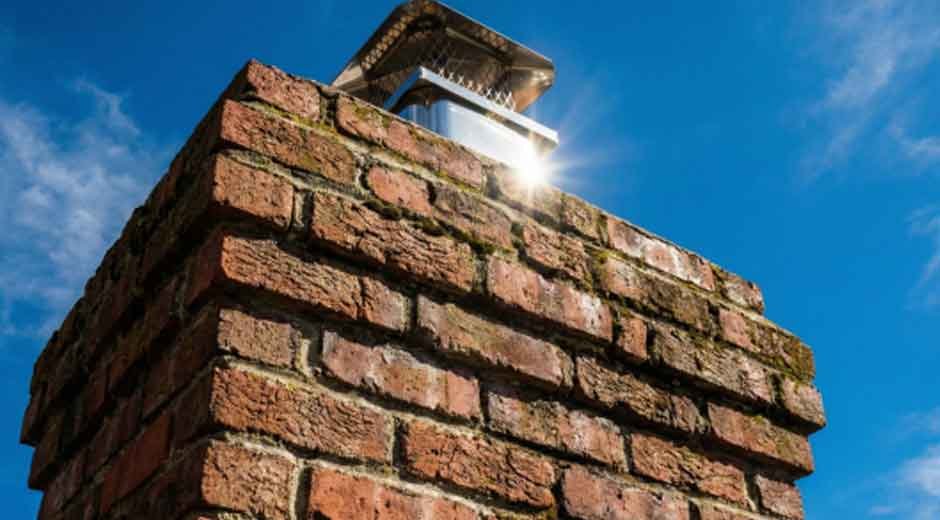
The fireplace often serves as the heart of a Colorado home, especially when winter storms roll off the Rockies and temperatures plummet. There is undeniable comfort in gathering around a crackling fire with family while the snow falls outside. However, the safety and efficiency of that fire depend entirely on the condition of the chimney venting it. While many homeowners focus on the aesthetic of the mantle or the arrangement of the living room, the internal workings of the chimney are often overlooked. Neglect here can lead to significant safety hazards, ranging from carbon monoxide intrusion to dangerous chimney fires. For residents in our area, understanding the mechanics of your chimney system and the necessity of professional maintenance is vital for a safe winter season.
The Hidden Danger of Creosote Buildup
The primary reason homeowners require professional assistance is the accumulation of creosote. When wood burns, it releases smoke, water vapor, gases, unburned wood particles, and hydrocarbons. As these substances flow up the cooler chimney flue, condensation occurs. This resulting residue is known as creosote. Creosote is highly combustible. If allowed to build up in sufficient quantities, and if the internal flue temperature gets high enough, the result could be a chimney fire. These fires can be explosive, but they can also burn slowly and undetected, damaging the chimney structure and potentially spreading to the wooden framing of the house.
Regular cleaning is the only way to effectively remove this substance. A standard sweeping involves removing soot, blockages, and built-up creosote from the chimney liner, firebox, smoke chamber, and damper. This process not only reduces the risk of fire but also improves the draft, allowing the fire to burn more efficiently and cleanly. Finding a reliable chimney sweep Colorado Springs residents trust is the first step toward ensuring your home remains safe throughout the burning season.
Inspecting for Structural Integrity
A chimney is a complex machine made of masonry, metal, and mortar. Over time, weather and heat take their toll. This is why an inspection is just as critical as the cleaning itself. In the United States, inspections are categorized into three levels. Level 1 is the standard inspection for a chimney that is easily accessible and has not changed. It covers the readily accessible portions of the chimney exterior and interior. Level 2 is required when changes are made to the system, such as fuel type changes, or upon the sale or transfer of a property. It typically involves video scanning to examine internal surfaces and joints that cannot be seen with the naked eye. Level 3 involves the removal of certain components of the building or chimney to gain access to areas that are the subject of the inspection. For the average homeowner, an annual inspection helps identify issues before they become catastrophic. It ensures that the flue is free from obstructions like bird nests and that the structural elements are sound.
Battling Water and Weather Damage
Colorado weather is tough on masonry. The freeze-thaw cycle is particularly damaging. Moisture from rain or melting snow can soak into the porous bricks and mortar. When temperatures drop below freezing, that water expands, causing the masonry to crack and crumble. If you notice dampness in your firebox or water stains on the ceiling near the chimney, you likely need chimney leak repair. Water entry is the enemy of a healthy chimney. It rusts steel parts, rots adjacent wood, and deteriorates the central flue liner.
One of the most common defense mechanisms against water is the chimney crown. This is the concrete slab that sits at the very top of the stack. If the crown cracks, water pours directly into the structure. Professional repair teams can seal these cracks or rebuild the crown entirely to ensure water runs off the chimney rather than into it.
The Role of the Firebox
The firebox is the area where you actually build the fire. It is lined with firebricks and refractory mortar designed to withstand extreme heat. However, even these durable materials have a lifespan. Years of intense heat can cause the mortar joints to erode or the bricks to crack. Repairs are essential when these signs of wear appear. If the firebox is compromised, heat can transfer to combustible materials surrounding the fireplace, presenting a serious fire hazard. Keeping the firebox in good repair ensures the heat stays where it belongs: inside the system and radiating into your room, rather than escaping into the walls.
Masonry and Rebuilding
There are instances where a chimney has been neglected for so long that simple repairs are insufficient. If the structure is leaning, or if a significant number of bricks are loose or missing, a partial or complete rebuild might be necessary. Rebuilding involves removing the damaged sections and reconstructing them with new brick and mortar. This restores the structural stability of the chimney and restores the exterior look of the home. Skilled masons can match the new brickwork to the existing style of the house, ensuring a seamless aesthetic transition. This type of heavy restoration work requires specific expertise in masonry to ensure the chimney stack is compliant with modern building codes.
The Importance of Local Expertise
When looking for services, it is beneficial to choose a local team that understands the specific challenges of the region. Local professionals will be familiar with the local climate, the common types of firewood used in the area, and the specific building codes of El Paso County. They are also more likely to offer personalized service. They understand that they are working on their neighbors’ homes. Whether it is installing a chimney cap to keep out local wildlife or relining an older flue to accommodate a new insert, local knowledge translates to better long-term results.
Conclusion
Maintenance of your fireplace and chimney is not just about keeping things clean. It is about protecting your home and your family. From the removal of flammable creosote to the repair of water-damaged masonry, every aspect of chimney care contributes to the safety of the household. As winter settles in, ensure your system is ready to handle the load. Trusting a professional team to handle your inspection, sweeping, and repairs allows you to enjoy the warmth of your fire with total peace of mind.