
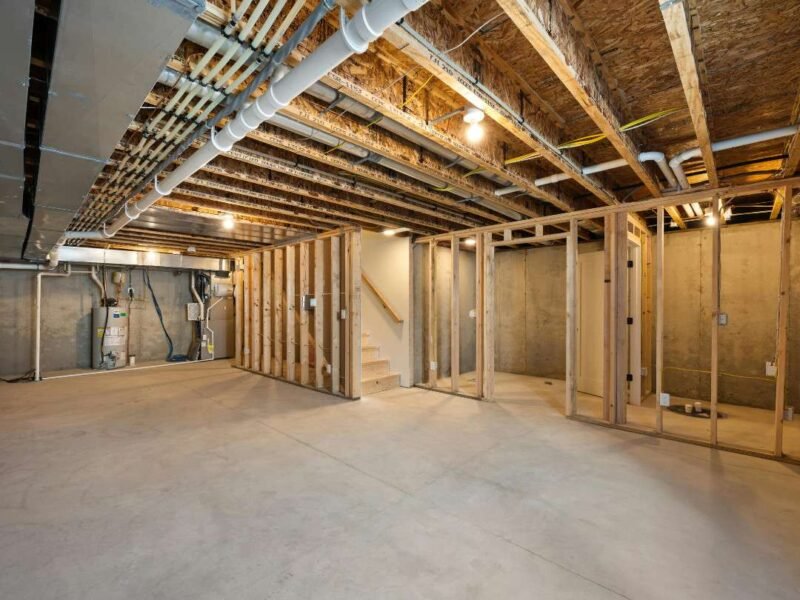
Basements are crucial to the structural integrity and long-term value of homes. Yet they are often the most vulnerable areas for water intrusion. Adequate basement protection is not simply about keeping a space dry for storage or living use. It is about preserving the foundation, preventing structural deterioration, and safeguarding indoor air quality. A well-planned drainage upgrade combined with reliable sump pump repair practices can significantly reduce the risk of water-related damage and costly remediation.
When homeowners evaluate their water control strategy, it is wise to consult a sump pump repair and installation company to assess system performance and capacity. They examine how groundwater is managed, whether existing systems meet current conditions, and how improvements can reinforce overall basement protection. While no single solution fits every property, an integrated approach that includes drainage upgrades and ongoing sump pump repair remains one of the most effective strategies for protecting foundations in varied climates.
Why Basement Protection and Drainage Upgrades Matter
Basement moisture problems are widespread due to diverse weather patterns. Heavy rainfall, rapid snowmelt, and fluctuating freeze-thaw cycles create hydrostatic pressure around foundation walls. This pressure forces water through cracks, joints, and porous concrete. Over time, inadequate basement protection can lead to significant structural issues.
A recent industry analysis found that approximately 98% of basements in North America will experience some water damage during their lifespan. This underscores why proactive drainage upgrades and consistent sump pump maintenance are essential components of responsible homeownership.
How Excess Water Affects Foundations
When water accumulates around a home’s foundation, several processes occur:
- Soil expansion increases lateral pressure against foundation walls
- Water seeps into hairline cracks and expands during freezing temperatures
- Reinforcing steel within concrete can corrode when exposed to persistent moisture
- Interior framing and insulation absorb moisture, promoting deterioration
Without proper basement protection, these forces can lead to bowed walls, shifting foundations, and interior damage. Over time, what begins as minor dampness can escalate into structural repairs that exceed the cost of a well-planned drainage upgrade.
Health and Indoor Air Quality Risks
Moisture intrusion does not remain confined to concrete surfaces. Damp conditions encourage mould growth, which can spread through airborne spores into living spaces. Musty odours, persistent humidity, and visible staining are common indicators of elevated moisture levels.
Inadequate water management systems also contribute to:
- Increased allergens within the home
- Degraded insulation performance
- Wood rot in floor joists and support beams
Financial Impact of Delayed Action
Postponing sump pump repair or ignoring warning signs of water intrusion leads to higher repair costs. Interior finishes such as drywall, flooring, and cabinetry are particularly vulnerable to water damage. Even minor basement flooding events can require:
- Removal and replacement of insulation
- Professional mould remediation
- Structural reinforcement
- Electrical system inspection and repair
Investing in drainage upgrades and maintaining reliable water management systems typically costs less than repeated interior restoration. Preventative measures support both property value and long-term financial stability.
Key Components of Effective Basement Protection
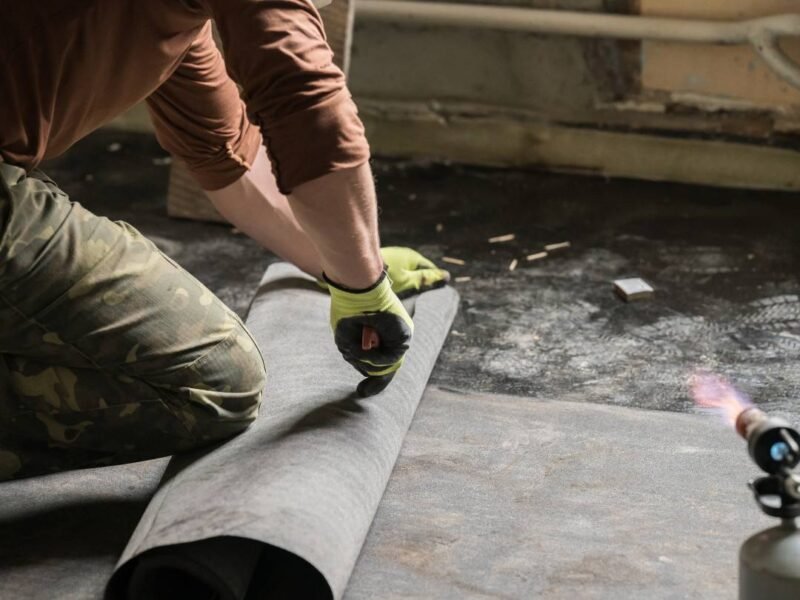
A comprehensive approach to basement protection integrates exterior and interior solutions. While each home has unique conditions, most effective systems combine grading improvements, foundation sealing, interior drainage, and dependable sump pump repair.
Exterior Grading and Drainage Solutions
The first line of defence against water intrusion is proper exterior grading. The soil surrounding a home should slope away from the foundation to direct water outward rather than toward the basement walls.
Standard drainage upgrades comprise:
- Adjusting soil grading to create positive drainage
- Extending downspouts several feet from the foundation
- Installing or repairing perimeter footing drains
- Adding window well covers and drainage gravel
These improvements reduce hydrostatic pressure and minimize the volume of water reaching foundation walls. When exterior systems are functioning correctly, interior water management systems operate more efficiently and experience less strain.
Foundation Sealing and Basement Waterproofing Services
Concrete is porous by nature. Over time, cracks and gaps develop due to settling and environmental stress. Foundation sealing and basement waterproofing services help prevent water infiltration through these vulnerable points.
Sealing methods may incorporate:
- Application of waterproof membranes on exterior walls
- Injection of epoxy or polyurethane into foundation cracks
- Installation of drainage boards to channel water downward
These techniques enhance basement protection by creating a barrier against moisture penetration. When paired with drainage upgrades and routine sump pump maintenance, foundation sealing contributes to a resilient, durable basement environment.
Modern Water Management Systems and Sump Pump Installation
Interior drainage systems are the final safeguard in comprehensive basement protection. These systems collect water that enters along the footing and direct it to a sump basin. From there, a pump discharges water safely away from the home.
Here are key components of effective water management systems:
- Interior perimeter drain tiles
- An appropriately sized sump basin
- Reliable sump pump installation
- Battery backup systems for power outages
- Regular sump pump repair and inspection
Selecting the correct pump capacity is critical. Undersized pumps may fail during heavy rainfall events, while oversized units can cycle too frequently and wear prematurely. Consistent sump pump repair ensures that switches, discharge lines, and check valves function properly.
Recognizing Early Warning Signs of Moisture Problems
Early detection is essential for effective basement protection. Homeowners should routinely inspect their basements for signs of moisture intrusion.
Common warning signs are:
- Damp or discoloured walls
- Musty odours that persist even in dry weather
- Efflorescence, which appears as white powder on concrete surfaces
- Visible cracks in foundation walls or floors
- Standing water after storms
Ignoring these symptoms increases the likelihood of structural damage. A targeted drainage upgrade and timely sump pump repair can address issues before they escalate.
Seasonal Considerations for North American Homes
Climate variations across North America create unique challenges for basement protection. In colder regions, snow accumulation followed by rapid thaw can saturate soil and overwhelm drainage systems. In warmer areas, intense rainfall from seasonal storms produces similar pressure around foundations.
Homeowners should consider:
- Inspecting grading and downspouts before the spring thaw
- Testing sump pump repair functionality before the heavy rain seasons
- Checking discharge lines for blockages caused by ice or debris
A proactive approach to drainage upgrade and sump pump installation helps accommodate seasonal fluctuations. Regular inspections reduce the likelihood of unexpected system failure during peak water events.
Exploring the Long-Term Value of Integrated Basement Protection
Basement protection combines structural assessment, drainage upgrade planning, and reliable sump pump repair. Homes with well-maintained water management systems often retain higher resale value due to reduced risk of structural damage and interior deterioration.
An integrated approach provides multiple benefits:
- Improved foundation stability
- Reduced the likelihood of mould growth
- Lower long-term maintenance costs
- Enhanced usability of the basement living space
When homeowners evaluate improvements, working with a sump pump repair and installation company ensures that the equipment is correctly sized, installed, and maintained. Proper sump pump installation and regular inspection extend system lifespan and improve reliability during severe weather.
Overall, effective basement protection demands strategic planning for drainage upgrades, foundation sealing, and consistent sump pump repair, supported by modern water management systems. Moisture control directly influences structural integrity, indoor air quality, and long-term property value. By prioritizing comprehensive basement protection and making informed decisions about drainage and water removal systems, homeowners strengthen their homes against preventable damage and create a more resilient foundation for the future.