
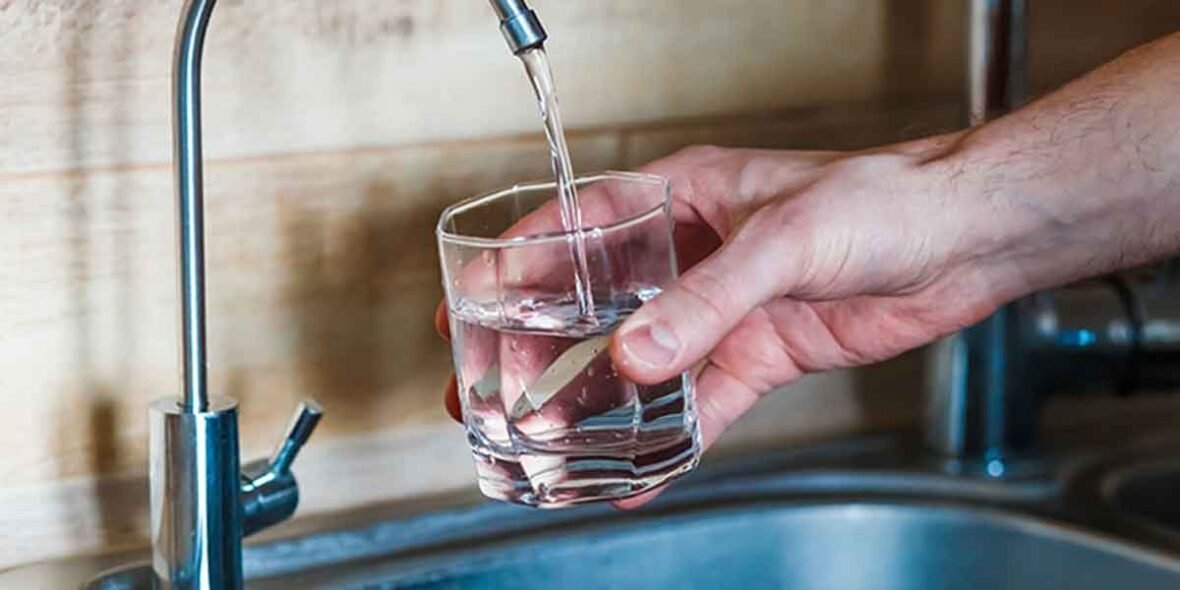
You fill a glass of water straight from the tap. It looks clean enough, but something feels off. Maybe it’s the faint chlorine smell, the slightly metallic taste, or the way your skin feels dry after every shower. These small signs are easy to ignore at first, but over time, they start affecting your daily comfort in ways you didn’t expect.
Water is part of everything you do, drinking, cooking, bathing, and cleaning. When its quality is compromised, it quietly impacts your entire home. The good news? Improving your water quality doesn’t have to be complicated. With the right approach and the best water filtration system for home, you can completely transform how water works for you.
Let’s break it down simply and in a beginner-friendly way.
Understanding What’s in Your Water
Before you can improve your water, it helps to understand what might be in it.
Tap water often contains:
- Chlorine (used for disinfection)
- Hard minerals like calcium and magnesium
- Sediments such as dirt or rust
- Trace metals from old pipes
While most of these are within “safe” limits, they can still affect taste, smell, and how water interacts with your skin, appliances, and household routines.
That’s why improving water quality isn’t just about safety, it’s about comfort and performance.
Step 1: Identify the Signs in Your Home
You don’t need a lab test to notice poor water quality. Your home already gives you clues.
If you experience any of the following, your water likely needs attention:
- Dry skin and brittle hair after showers
- Spots or streaks on dishes
- Soap that doesn’t lather properly
- Stains on sinks, tiles, or faucets
- Unpleasant taste or odor in drinking water
These everyday issues are often caused by unfiltered or hard water.
Step 2: Start with Simple Improvements
If you’re just beginning, small changes can make an immediate difference.
You can:
- Use faucet-mounted filters for drinking water
- Install a shower filter to reduce chlorine exposure
- Clean aerators and taps regularly to remove buildup
These quick fixes don’t solve everything, but they help reduce the most noticeable problems and give you a preview of what better water feels like.
Step 3: Focus on Whole-Home Impact
While point solutions are helpful, they only address specific areas. The real transformation happens when you improve water quality throughout your entire home.
Think about how often water is used:
- Every shower you take
- Every load of laundry
- Every dish you wash
- Every appliance that relies on water
When only one tap is filtered, the rest of your home still deals with the same underlying issues.
That’s where upgrading to the best water filtration system for home becomes a game-changer. It ensures that every drop of water, wherever it’s used, is cleaner and more balanced.
Step 4: Understand Filtration Options
Not all filtration systems are the same, and choosing the right one depends on your needs.
Here are the most common types:
- Carbon Filters: Great for removing chlorine, odors, and improving taste.
- Sediment Filters: Capture dirt, rust, and particles that make water look cloudy.
- Water Softeners: Reduce hard minerals that cause scaling and dryness.
- Multi-Stage Systems: Combine technologies to address multiple issues simultaneously.
For most households, a multi-stage system offers the most comprehensive solution, especially when addressing both chemical and mineral-related concerns.
Step 5: Think Long-Term, Not Just Quick Fixes
It’s easy to treat water issues as minor inconveniences. But over time, poor water quality leads to:
- Increased wear on appliances
- Higher energy usage (especially in water heaters)
- More spending on cleaning and personal care products
- Ongoing maintenance and repairs
Improving your water is not just about solving today’s problems it’s about preventing future ones.
A reliable filtration system works quietly in the background, protecting your home every day without requiring constant attention.
Step 6: Notice the Changes That Matter
Once your water quality improves, the difference becomes part of your routine.
You may start to notice:
- Showers that leave your skin feeling soft instead of dry
- Cleaner dishes without spots or residue
- Clothes that stay vibrant and feel smoother
- Better-tasting coffee, tea, and meals
- Less time spent scrubbing and cleaning
These aren’t dramatic overnight changes; they’re consistent improvements that make everyday life easier and more enjoyable.
Step 7: Make the Upgrade When You’re Ready
Starting small is a great first step, but if you’re looking for lasting results, investing in the best water filtration system for home is the most effective solution.
A well-designed system doesn’t just filter water, it optimizes how your entire household functions. It addresses issues at the source, ensuring that every tap delivers water that supports your lifestyle instead of working against it.
Final Thought
Improving water quality might seem like a technical upgrade, but it’s really a lifestyle improvement. It touches everything from how your skin feels in the morning to how your home looks and functions over time.
You don’t have to overhaul everything at once. Start by noticing the signs, take small steps, and build toward a solution that fits your needs.
When you finally switch to the best water filtration system for home, you’ll realize something simple yet powerful: water should make your life easier, not harder.