
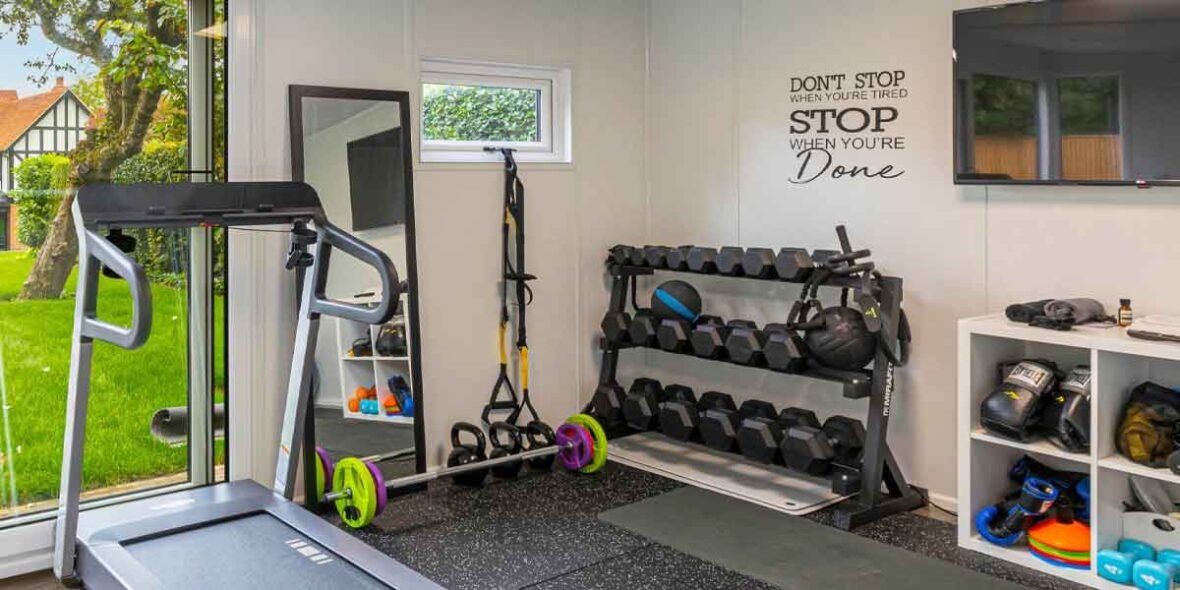
Almost everyone who bought a treadmill in a burst of motivation knows how this goes. It gets used every morning for a month, then a few times a week, and then it quietly turns into the most expensive clothes rack in the house.
If that’s where yours is now, you’re in good company. Home gym gear is one of the most common things people store and stop using. The good news is that it’s also some of the easiest stuff to move on from, once you decide what you actually want to keep.
Be Honest About What You’ll Actually Use
Start with a quick audit. Walk through the room and ask one question about each piece: have I used this in the last three months? Not “will I use it,” because the answer to that one is always yes.
Most people find one or two things they genuinely reach for, like a set of dumbbells, a mat, or some resistance bands, and a couple of big machines they’ve been feeling guilty about. Keep the small stuff you use. The big stuff is where the space is.
It also helps to think about how you exercise now, not how you did when you bought everything. If you’ve started running outside or joined a gym down the street, that rowing machine in the basement probably isn’t coming back into rotation.
Sell What Still Works
Good fitness equipment holds its value better than most furniture, especially brand-name treadmills, bikes, and adjustable dumbbells. January and early spring are the best times to list, when people are setting new goals and shopping for exactly what you’re trying to get rid of.
A few things help it sell faster:
- Wipe it down and photograph it in good light, with the console powered on.
- Include the brand and model number so buyers can look up reviews.
- Be upfront about quirks, like a belt that slips or a screen that flickers.
- Say the buyer needs to bring help and a truck. Most of these won’t fit in a hatchback.
Then price it to move. A treadmill that sits on a listing site for six weeks is still sitting in your house.
Donate It or Pass It Along
If selling sounds like more hassle than it’s worth, plenty of places will take working equipment. Community centers, youth sports programs, church gyms, and shelters sometimes accept dumbbells, benches, and mats. Call first, though. A lot of thrift stores won’t take large machines because they’re hard to move and hard to resell.
Friends and neighbors are often the easiest route of all. A quick post in a neighborhood group that says “free treadmill, you haul” usually gets an answer the same day.
Recycle the Machines That Are Done
Some equipment is simply finished. A treadmill with a burned-out motor or an elliptical with a cracked frame isn’t worth anyone’s time to repair. That doesn’t mean it has to end up in a landfill.
Free weights, plates, and frames are mostly steel, and a scrap metal recycler will usually take them. Anything with a powered console, which covers most treadmills and bikes, also has electronics inside. The EPA’s page on electronics donation and recycling is a good place to figure out where those parts can go near you.
The catch is that recyclers rarely come to you. You still have to get a 250-pound machine out of the house and into a vehicle.
Getting It Out of the House
This is where most home gym cleanouts stall. Treadmills and multi-station machines are heavy and awkward, and they tend to live in basements or spare rooms at the top of the stairs. Some fold. Many don’t. Taking one apart usually means hunting for the right Allen key and hoping the bolts aren’t seized.
If you’re going to move it yourself, a few basics go a long way:
- Unplug it and pull the safety key before you do anything else.
- Fold and lock the deck if the machine allows it.
- Never carry one down the stairs alone. Use a dolly and a second person.
- Wrap door frames and corners with moving blankets.
For a lot of people, though, the time and the risk aren’t worth it. Booking exercise equipment removal means a crew carries it out, loads it, and takes anything still usable to donation or recycling instead of the dump. It’s usually the quickest way to get the room back on the same day you decide it’s time.
Decide What the Space Is For
Once the machines are gone, give it a minute before you fill the room back up. A cleared corner can become a stretching spot with a mat and a mirror, a reading nook, or a home office that doesn’t share a wall with a treadmill.
Plenty of people find they actually work out more with a smaller, simpler setup. There’s nothing looming in the corner to feel guilty about every time they walk past it.
Final Thoughts
Letting go of exercise equipment can feel like giving up on a goal. It isn’t. It’s just being honest about what fits your life right now. Keep what you use, sell or donate what still works, recycle what’s finished, and get help with the heavy lifting if you need it. The room you get back is worth more than the machine you weren’t using.