
Introduction
Workplaces that store or handle hazardous liquids need a clear plan for responding to accidental releases. Chemical spill kits give employees access to absorbent materials and response items that can help contain a spill before it spreads. For Australian businesses, having response equipment can support safer operations and help teams respond confidently.
Preparation is especially important in warehouses, laboratories, workshops, manufacturing sites and transport facilities, where substances may be used or stored. A spill that appears minor can quickly create slip hazards, damage materials or reach drains if it is not controlled promptly.
Why Chemical Spill Kits Matter in Workplace Safety
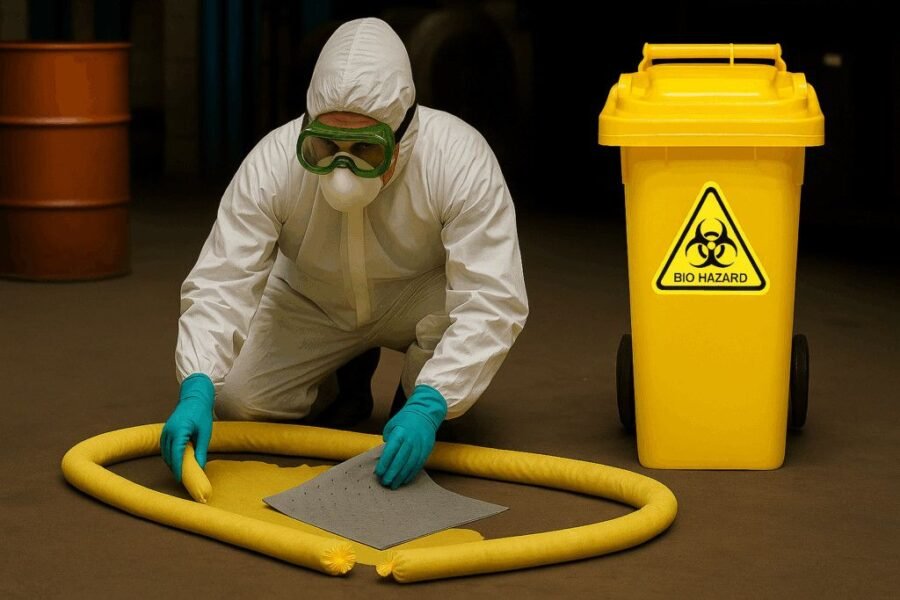
A well-positioned spill kit allows trained staff to begin containment without searching for individual materials during an emergency. Depending on the kit and workplace requirements, common contents may include absorbent pads, booms, protective gloves, disposal bags and instructions for managing contaminated materials.
However, simply owning a chemical spill kits is not enough. Businesses should select equipment that suits the substances present on site, the likely spill volume and the way chemicals are stored or handled.
Choosing the Right Kit for the Workplace
Different workplaces face different spill risks. A small workshop may need a compact kit for localised incidents, while larger industrial or storage facilities may require higher-capacity equipment positioned in several accessible locations.
Before choosing a kit, businesses should review the chemicals used on site and consult relevant safety data sheets. Chemical compatibility matters because absorbents and protective equipment should be suitable for the substance involved. Employers should also consider whether staff can reach the kit quickly without entering the affected area.
Keeping Spill Response Equipment Ready
Routine inspection is an important part of spill preparedness. Kits should be checked after use and at suitable intervals to confirm that essential items are present, undamaged and ready for use. Missing or used absorbents should be replaced promptly.
Training is equally important. Employees who may respond to a spill should understand site procedures, know where kits are located and recognise when an incident requires specialist assistance rather than an internal clean-up.
Businesses reviewing their spill-response arrangements can explore Spill Station’s Hazchem range and compare options for workplace needs. Those requiring further product or site information can also Contact Spill Station directly.
Summary
Effective spill response depends on planning, suitable equipment and trained people. By matching response resources to workplace hazards, keeping them accessible and maintaining them properly, Australian businesses can strengthen emergency readiness and reduce the potential impact of accidental chemical releases