
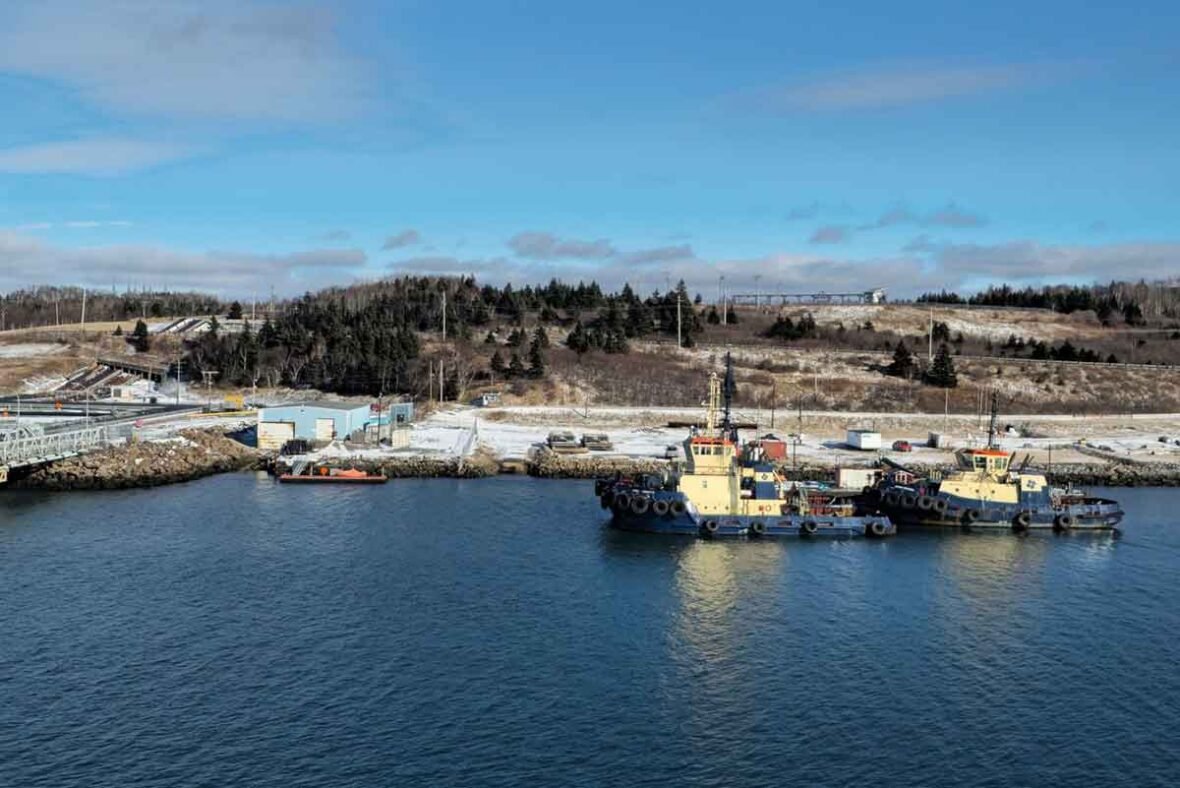
Nova Scotia is one of Canada’s most distinctive and most rewarding travel destinations, a Maritime province shaped by the sea in every dimension of its geography, history, culture, and daily life. From the dramatic tidal phenomenon of the Bay of Fundy, which produces the highest tides in the world, to the rugged coastlines of Cape Breton, the charming harbor towns that dot the South Shore, and the vibrant food and music culture of Halifax, Nova Scotia offers a depth and variety of experience that consistently exceeds the expectations of first-time visitors and rewards the attention of those who return. Planning a visit to Nova Scotia well, with an understanding of what the province has to offer and how to structure a trip that captures its most significant highlights, produces a travel experience that is genuinely memorable in ways that few destinations can match.
Halifax: The Province’s Vibrant Heart
Halifax, Nova Scotia’s capital and largest city, is the natural starting point for most visits to the province and is a destination that deserves more than a perfunctory overnight stop on the way to the rural highlights. The city’s waterfront, centered on the Historic Properties and the boardwalk along the harbor, is one of the most appealing and most accessible urban waterfronts in Canada, lined with restaurants, markets, shops, and the daily activity of a working harbor that gives it an authentic maritime character that no amount of tourism development has managed to dilute. The Halifax Citadel, a nineteenth-century star-shaped fortress that dominates the city from its hilltop position, offers both a window into the military history that shaped the region and panoramic views across the harbor and the surrounding city. The city’s food scene has evolved dramatically over the past decade, with a range of dining options anchored by the extraordinary seafood for which the Maritime provinces are justly famous, including the iconic donair that Halifax has claimed as its own distinctive contribution to the national culinary conversation. A stroll through the Spring Garden Road and South End neighborhoods, with their Victorian architecture, independent bookshops, coffee houses, and the attractive Public Gardens, provides an introduction to the quieter residential character of a city that is genuinely lovely to explore on foot.
The Cabot Trail and Cape Breton Highlands
The Cabot Trail, the 298-kilometer scenic highway that loops around the northern tip of Cape Breton Island through the Cape Breton Highlands National Park, is consistently ranked among the most spectacular scenic drives in North America and is for many visitors the single most memorable experience Nova Scotia has to offer. The drive traverses landscapes of extraordinary drama, including the famous MacKenzie Mountain stretch where the road climbs steeply to clifftop heights offering views across the Gulf of St. Lawrence that are genuinely breathtaking at any time of year but particularly spectacular during the fall foliage season in late September and early October. The park itself offers extensive hiking trails ranging from short walks to multi-day backcountry routes, with the Skyline Trail, which follows the cliff edge above the Gulf of St. Lawrence, being the single most popular and most photographed hike in the province. The Cabot Trail also passes through communities with strong Acadian and Scottish Gaelic cultural traditions, including Cheticamp and Baddeck, where this heritage is expressed in music, food, and the kind of warm community character that defines the Cape Breton experience beyond its spectacular landscapes. Allowing at least two to three days for the Cabot Trail and Cape Breton gives visitors the time to explore beyond the highway and to absorb the full range of what this remarkable corner of Nova Scotia has to offer.
The Bay of Fundy and Tidal Wonders
The Bay of Fundy, which forms the southwestern boundary between Nova Scotia and New Brunswick, is home to the most dramatic tidal range in the world, with tidal differences exceeding sixteen meters in some locations and producing a phenomenon that transforms the landscape completely twice each day as hundreds of billions of tons of seawater flow in and out of the bay in a cycle driven by the gravitational forces of the moon. The tidal bore at Truro, where the rising tide creates a visible wave that travels up the Salmon River, is one of the most accessible demonstrations of this tidal extreme and can be observed from a viewing platform that offers a clear view of the phenomenon and an explanation of the science behind it. At low tide, the Minas Basin near Wolfville exposes vast red mud flats that teem with shorebirds, particularly during the fall migration when enormous flocks of semipalmated sandpipers gather to feed on the amphipods that live in the tidal mud. The villages and towns along the Fundy shore, including Wolfville, Annapolis Royal, and the collection of small communities on the Annapolis Valley wine route, offer their own pleasures of fine dining, local wine, historic architecture, and the kind of relaxed maritime community character that makes Nova Scotia so appealing to visitors seeking an alternative to more crowded and more commercialized destinations.
The South Shore’s Charming Fishing Villages
The South Shore of Nova Scotia, stretching from Halifax southwest through Lunenburg to Yarmouth, is a coastline of extraordinary beauty punctuated by a succession of historic fishing villages and small towns that together offer some of the most photogenic and most authentically Maritime scenery in the province. Lunenburg, a UNESCO World Heritage Site, is the architectural crown jewel of the South Shore, its brightly colored historic district of eighteenth and nineteenth-century buildings climbing the steep hillside above the working harbor that is home to the famous fishing schooner Bluenose II. Mahone Bay, with its three churches reflected in the calm water of the bay, is one of the most recognizable and most photographed views in Nova Scotia, and the town itself rewards a stop with its excellent shops, galleries, and cafes concentrated in a compact and walkable historic district. Peggy’s Cove, though it attracts more tourists than any other single destination outside Halifax, remains genuinely spectacular in its setting, with the famous lighthouse perched on the wind-polished granite that descends into the swirling waters of St. Margarets Bay in a scene that is as dramatic in person as it is in photography. Visitors who spend time on the South Shore beyond these headline destinations discover a coastline of smaller communities, quiet harbors, lobster shacks, and the unhurried pace of Maritime life that is, for many visitors, the essential Nova Scotia experience.
Exploring With a Guided Tour
Nova Scotia’s highlights are distributed across a province of considerable size, and traveling by guided tour offers a way of experiencing the most significant destinations with the context, local knowledge, and logistical organization that independent travel in an unfamiliar region can sometimes lack. Exploring well-organized Nova Scotia tours through Tours of Distinction gives travelers access to carefully curated itineraries that capture the province’s most remarkable destinations with the benefit of experienced guides who bring both factual knowledge and the kind of cultural context that transforms a scenic drive into a genuinely illuminating experience. Guided tours are particularly well-suited to first-time visitors who want to see the highlights efficiently, to travelers who prefer the social dimension of exploring with a group, and to those for whom the logistics of driving unfamiliar roads and navigating accommodation booking in a new destination are a source of unnecessary stress rather than a pleasurable part of the adventure. The best Nova Scotia tour experiences combine the major scenic and historical highlights with authentic encounters with local culture, food, and community that give travelers a genuine feel for the province beyond its photogenic surfaces.
Conclusion
Nova Scotia is a province of remarkable depth and variety, offering dramatic natural landscapes, richly layered history, vibrant contemporary culture, extraordinary seafood, and the particular warmth of Maritime community character that visitors consistently describe as one of the most unexpectedly affecting dimensions of the experience. Whether the visit is structured around independent exploration, a guided tour, or some combination of the two, the province consistently rewards the attention of travelers who give it the time it deserves and approach it with the curiosity and openness that the best travel always involves. Nova Scotia is a destination that earns its visitors’ lasting affection, and most people who experience it find themselves planning a return before the first visit has ended.