
You’ve been in that meeting. Someone across the table smells quietly impressive — nothing loud, nothing trying too hard, just a scent that registers without announcing itself. You notice it, file it away, and move on. But the thought lingers: why haven’t I sorted that for myself? If you’ve hesitated because designer prices feel impossible to justify, or because you spent real money on a bottle that turned out to be underwhelming, you’re not alone.
The good news is that smelling expensive has very little to do with how much you spend. This guide walks you through a straightforward framework: what fragrance types are worth knowing, how to build a practical rotation, and what to look for before you buy, so you can get the result without the designer markup.
Why Designer Fragrance Prices Don’t Mean What You Think
When you pay $300 for a designer cologne, most of that money never touches the fragrance itself. You’re covering the celebrity ambassador, the glossy campaign, the weighted glass bottle, and the retail margin built into every department store shelf. The actual fragrance oil, the part you spray on your skin, represents a small fraction of what you hand over at the counter.
That’s where inspired fragrances come in, and it’s worth understanding what they actually are. Skilled perfumers study the scent profile of iconic colognes and recreate them using comparable quality ingredients, without the brand overhead. The result is a fragrance that performs in the same register as its designer counterpart, at a fraction of the price. This isn’t about settling for less. It’s about knowing where the value actually sits.
The Three Fragrance Types Worth Knowing
Not all fragrances are built the same, and the difference comes down to concentration: how much fragrance oil is in the bottle relative to the carrier. Eau de Toilette (EDT) sits at the lighter end, which means it fades faster and needs more frequent reapplication. Eau de Parfum (EDP) carries a higher concentration, giving you better projection and longevity from fewer sprays. Extrait de Parfum sits at the top, offering the richest, longest-lasting performance of the three.
For your purposes, EDP or Extrait is the stronger choice. You get more out of each bottle, the scent stays with you through a full workday or evening, and you use less product per wear. Many inspired fragrances are produced at EDP or Extrait concentration as standard, which means you’re often getting a higher-performing product than the designer original it’s based on, at a significantly lower price point.
How to Build a Rotation, Not Just Buy a Bottle
The men who smell consistently impressive aren’t relying on a single bottle. They’re rotating two or three scents across different contexts, which means their fragrance always feels intentional rather than accidental. One bottle, worn every day regardless of occasion, starts to feel like a default rather than a signature.
A simple three-occasion framework gives you a practical place to start. For work and daytime wear, you want something clean and fresh. Woody or aquatic scent families project well without being distracting in close quarters. For evenings and social occasions, something warmer and richer works harder: amber and oud-forward fragrances have more presence and linger longer into the night. Your weekend or signature scent can be more personal, a gourmand or spice-forward fragrance that’s less conventional and more distinctly yours.
Three bottles at $50 each solves more of your fragrance life than one bottle at $150 ever could. You get the right scent for the right moment, your options don’t run out, and you build a rotation that feels considered rather than cobbled together. Versatility beats prestige when you’re starting from scratch.
What to Actually Look for When You Shop
Before you add anything to your cart, three things are worth checking. First, confirm the concentration: EDP or Extrait, as covered above. Second, look for longevity that’s backed by ingredient quality rather than marketing language. A reputable brand will describe its fragrance notes clearly and let the product speak for itself. Third, check that the inspiration source is stated transparently. A brand worth buying from will tell you exactly which designer fragrance its product is based on, so you know what you’re getting before it arrives.
One concern comes up often: will people know it’s not the original? In practice, the answer is no, because what people experience is projection and longevity, not the label on the bottle. Nobody leans across a table and asks for your receipt. The goal is a scent that gets remembered long after you’ve left the room, not a bottle that looks impressive sitting on a shelf.
The Right Scent Is Closer Than You Think
Smelling expensive comes down to a few straightforward decisions: understand what you’re actually paying for, choose the right concentration, and build a small rotation rather than betting everything on a single bottle. Shop with criteria, not impulse, and the result takes care of itself.
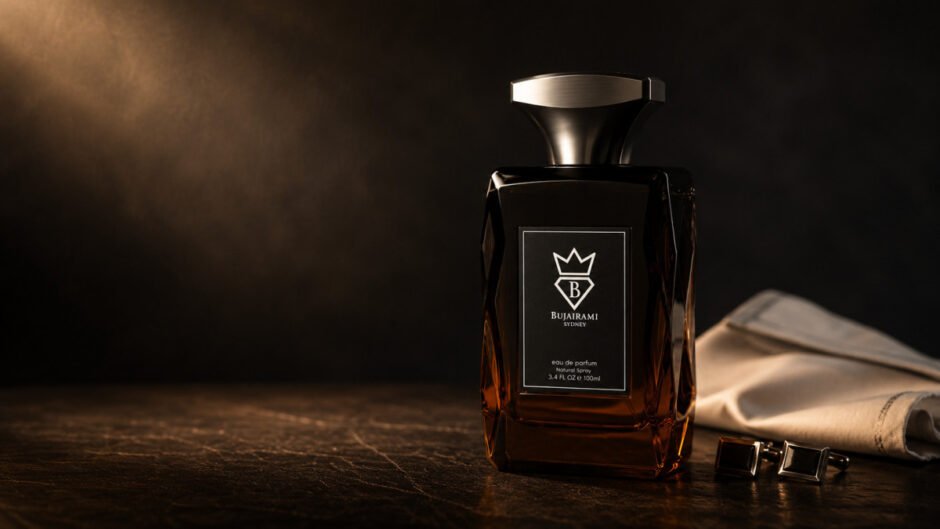
If you’re looking for a practical starting point, Bujairami Perfumes carries inspired versions of the most recognised designer and niche colognes on the market, from Creed and Tom Ford through to Parfums de Marly and Louis Vuitton, at around $50 a bottle. The guy across the table isn’t spending more than you. He’s just spending smarter.