
Controlling who enters and exits a property is one of the most important aspects of maintaining safety, efficiency, and organization. Whether it’s a residential complex, commercial facility, or industrial site, managing access points effectively requires a balance between security, convenience, and reliability. With the right practical solutions in place, property owners can create safer environments while keeping daily operations running smoothly.
Understanding the Importance of Access Control
Access points are more than just entryways; they are critical control zones that determine how people, vehicles, and goods move through a space. Without proper management, these areas can quickly become vulnerable to unauthorized access, congestion, or safety risks.
Practical security solutions focus on minimizing these risks by implementing systems that are both effective and easy to manage. From automated gates to monitored entry systems, the goal is to ensure that only authorized individuals can gain access while maintaining a seamless flow for those who should be there.
Choosing the Right Equipment for the Job
Every property has unique requirements, which means there’s no one-size-fits-all solution for access management. The type of equipment chosen should reflect the level of traffic, the type of users, and the overall security goals of the site.
For example, locations with high vehicle traffic benefit from systems designed to regulate entry efficiently without causing delays. Installing a barrier arm can be an effective way to manage vehicle access in areas such as parking lots, commercial entrances, and gated communities. These systems provide a clear visual and physical boundary, helping to control movement while maintaining a professional and organized appearance.
Enhancing Safety Through Automation
Automation plays a major role in modern access management. Automated systems reduce the need for manual intervention, which not only improves efficiency but also minimizes human error. With automated gates, sensors, and access control panels, users can enter and exit properties with minimal disruption.
Safety is also significantly improved through automation. Features such as obstacle detection, timed closures, and remote monitoring ensure that access points operate reliably without putting users at risk. These technologies help prevent accidents while maintaining consistent security standards throughout the day.
Integrating Access Systems for Better Control
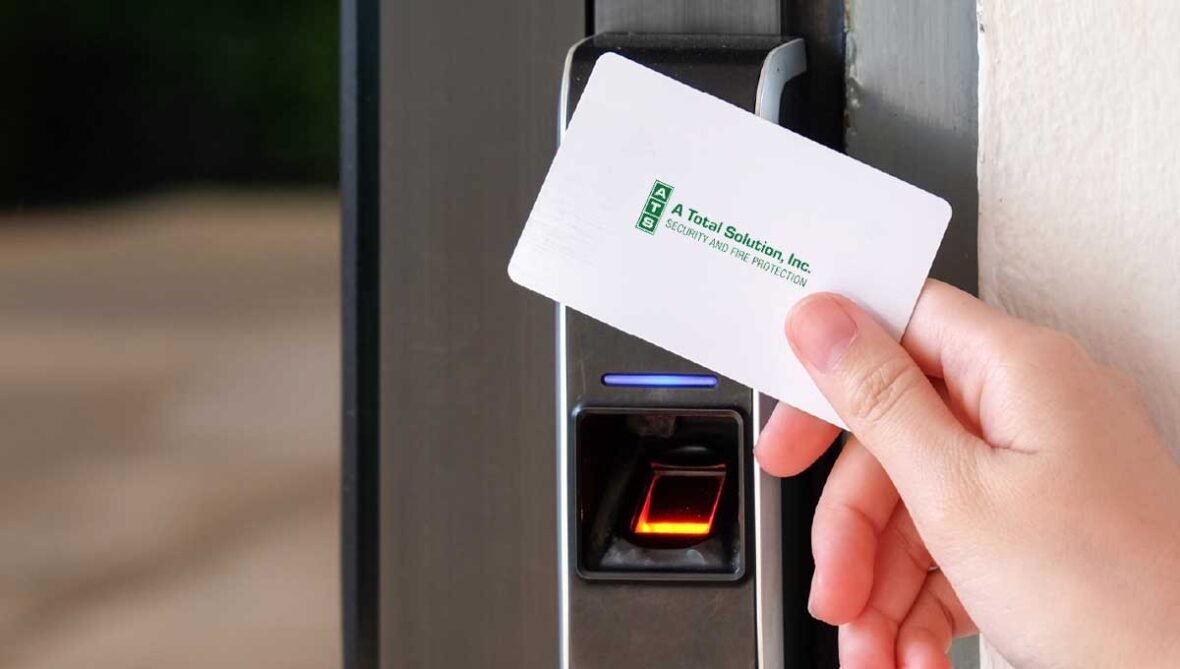
One of the most effective ways to manage access points is by integrating different security systems into a unified solution. Combining elements like surveillance cameras, keycard entry, intercom systems, and automated gates allows for greater visibility and control.
An integrated system enables property managers to monitor activity in real time, review access logs, and respond quickly to any irregularities. This level of oversight is especially valuable in larger facilities where multiple entry points need to be managed simultaneously. It also creates a more streamlined experience for users, as they can rely on consistent processes across all access areas.
Balancing Security with Convenience
While security is the primary goal, convenience should never be overlooked. Overly complicated systems can frustrate users and lead to inefficiencies, especially in high-traffic environments. The best solutions strike a balance by offering strong protection without creating unnecessary barriers.
User-friendly features such as remote access control, mobile integration, and quick-entry systems make it easier for authorized individuals to move freely while maintaining strict control over who can enter. This balance is particularly important in environments like office buildings or residential communities, where daily access needs to be smooth and predictable.
Planning for Scalability and Future Needs
Access management is not a static requirement. As properties grow or change, so do their security needs. Investing in scalable solutions ensures that systems can adapt over time without requiring a complete overhaul.
Modular designs and upgrade-friendly technologies allow property owners to expand their security infrastructure as needed. Whether it’s adding new access points, increasing monitoring capabilities, or integrating advanced features, planning for the future helps protect the initial investment while maintaining long-term effectiveness.
Maintaining and Monitoring Systems
Even the most advanced access control systems require regular maintenance to perform at their best. Routine inspections, software updates, and performance checks are essential for ensuring reliability and preventing unexpected issues.
Monitoring systems also play a key role in identifying potential problems before they escalate. By keeping track of usage patterns and system performance, property managers can make informed decisions about upgrades, repairs, or adjustments to improve efficiency and security.
Creating a Secure and Efficient Environment
Managing access points with practical security solutions is about more than just restricting entry. It’s about creating a controlled, safe, and efficient environment for everyone who uses the space. By choosing the right equipment, embracing automation, and integrating systems effectively, property owners can achieve a level of security that supports both protection and productivity.
With thoughtful planning and the right approach, access management becomes a seamless part of daily operations, helping to build trust, reduce risks, and ensure that every entry point serves its purpose effectively.