
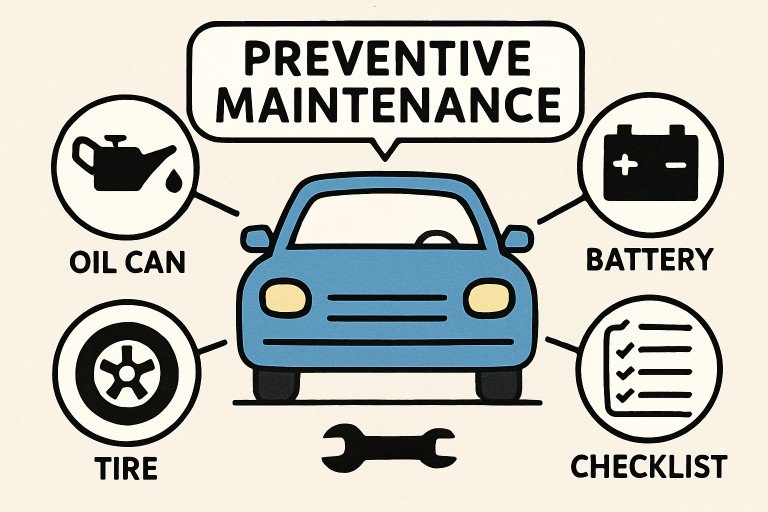
Taking care of your vehicle goes beyond routine checkups. Investing in a reliable vehicle is just one step, but truly saving money in the long run comes from proactive, preventive maintenance. Making small, consistent efforts to maintain your car can result in significant financial benefits, fewer major repairs, and more years of reliable driving. Learning and applying preventive strategies is essential for anyone who values both their vehicle’s health and their budget.
Whether you drive daily or keep your vehicle for weekends, a maintenance-first mindset can make a tangible difference in your ownership experience. Addressing potential issues before they escalate helps you avoid the high costs of neglected repairs. Furthermore, proper maintenance contributes to better performance and the confidence that your vehicle will keep you and your passengers safe on the road. Many drivers who rely on pick up trucks for sale for work or heavy-duty tasks especially benefit from consistent upkeep to maintain strength, towing capacity, and long-term reliability.
Understanding the best way to preserve your vehicle’s value means looking beyond immediate expenses and seeing the money-saving opportunities that preventive maintenance creates. Staying consistent with routine tasks not only keeps your car running efficiently but also protects the resale value if you decide to upgrade or trade up to a newer model down the road.
For those searching for dependable transport or considering an upgrade, scheduled service is vital.
Avoiding Costly Repairs
Small problems can quickly escalate into expensive repairs if ignored. Replacing a worn timing belt at the recommended time, for example, is a fraction of the cost of fixing catastrophic engine failure after a belt snaps. Catching worn brakes, low fluid levels, or minor leaks during regular inspections helps drivers avoid hefty repair bills that may stretch into the thousands. This is especially important for truck owners, including those shopping for pickup trucks for sale near me, as preventive maintenance preserves towing capacity, engine performance, and overall durability. According to a Consumer Reports report, drivers who ignore routine maintenance are more likely to experience significant, expensive car trouble later.
Improving Fuel Efficiency
Keeping your car in optimal condition reduces the workload on the engine and other essential systems. For example, driving with properly inflated tires alone can improve fuel economy by up to 3%, according to the U.S. Department of Energy. Replacing dirty air filters, changing engine oil regularly, and using the right grade of motor oil all help your car burn fuel more effectively and increase your mileage. Simple steps like these result in savings every time you fill your tank, helping those fuel receipts shrink over time.
Enhancing Safety
Neglecting vehicle care not only costs more but also places you and your passengers in harm’s way. Critical systems such as steering, brakes, and tires require regular inspection and maintenance. A study by the National Highway Traffic Safety Administration (NHTSA) indicates that vehicle component failure, often preventable through routine maintenance, contributes to thousands of accidents each year. Staying vigilant with preventive maintenance gives you the peace of mind that comes with knowing your vehicle is prepared to respond safely in any situation.
Extending Vehicle Lifespan
The longevity of your vehicle depends on how well you care for it. Tasks such as oil changes, tire rotations, and regular inspections of belts, hoses, and fluids dramatically reduce unnecessary wear and tear. When maintenance is prioritized, vehicles run more efficiently and stay on the road longer, enabling you to get more value from your automotive investment. For those who rely on their vehicles for daily commuting or occasional adventures, an extended lifespan equals more years of safe, worry-free driving.
Increasing Resale Value
When it comes time to sell or trade in your vehicle, a history of consistent maintenance can command a higher price. Buyers recognize the value of a well-maintained car and often offer more for vehicles with detailed service records. Keeping receipts and documenting services lets you clearly demonstrate the quality and condition of your car, further enhancing buyer confidence and ensuring a smoother transaction.
Preventive Maintenance Tips
Regular Oil Changes: Stick to the manufacturer’s recommended schedule to keep your engine protected and lubricated.
Tire Care: Monitor tire pressure monthly and rotate tires between 5,000 and 7,500 miles. Even wear enhances safety and fuel efficiency.
Brake Inspections: Have brakes checked at least once annually or if you notice any changes in stopping power or noise.
Fluid Checks: Inspect and top off all critical fluids, including coolant, brake, transmission, and power steering fluid.
Battery Maintenance: Ensure battery terminals are clean, and inspect for corrosion or loose connections to avoid unexpected breakdowns.
Final Thoughts
Preventive car maintenance is a smart strategy for controlling automotive expenses, improving safety, and preserving your vehicle’s longevity. With a routine approach to care and attention to minor issues, you can enjoy greater savings, enhanced performance, and a higher return on investment when it’s time for a new vehicle.