
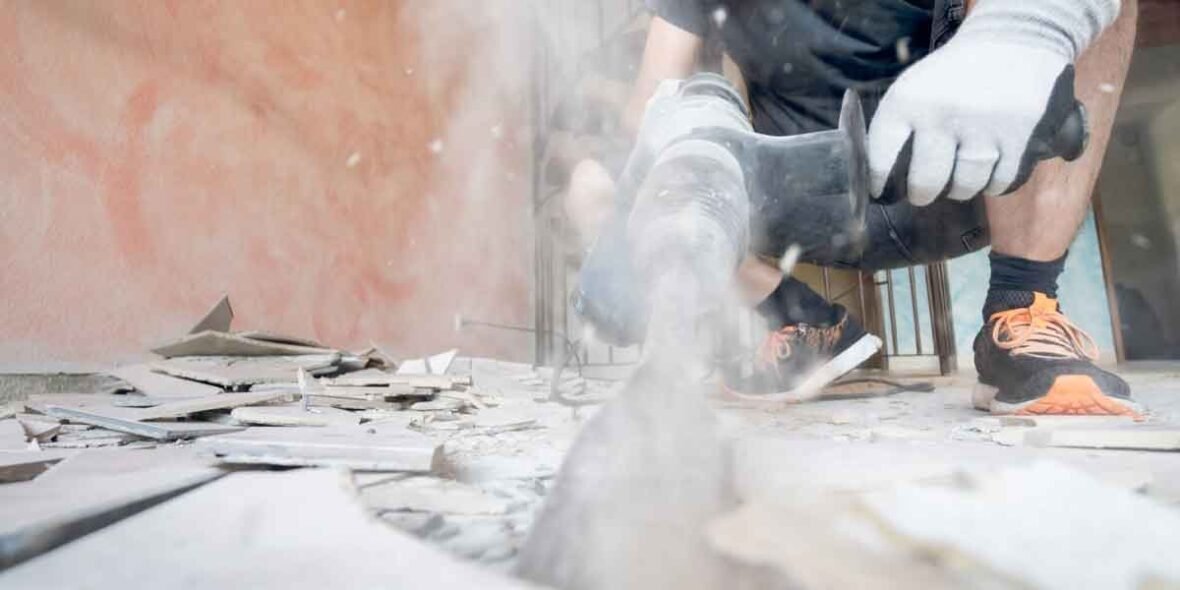
Completing a home renovation is an incredibly rewarding experience. You finally get to see your design vision come to life after weeks of hard work and disruption. While you might spend months meticulously planning layouts and finding tips on saving money when remodelling a bathroom, many homeowners forget to budget time for the most tedious phase: the post-renovation cleanup.
Construction dust has a sneaky way of infiltrating every corner of your property. It settles into carpets, coats hard surfaces, and lingers in the air long after the contractors have left. Tackling this stubborn mess is a massive undertaking. If you want to bypass the heavy lifting, hiring professional services like Optima Cleaners provides a fast and reliable way to restore your home to pristine condition. However, if you prefer a hands-on approach, you need a systematic plan to eliminate the debris.
Understanding the Health Impacts of Renovation Debris
Before diving into the cleaning process, it is important to understand why prompt dust removal is a necessity rather than a simple cosmetic preference. Construction dust is rarely just everyday dirt. Depending on the scope of your remodel, the residue left behind usually contains tiny fragments of wood, sawdust, and microscopic silica particles.
When you sand down plasterboard or joint compound, the resulting particulate matter can remain suspended in your indoor air for days. According to occupational safety experts, inhaling fine particles like drywall dust can lead to upper respiratory problems similar to asthma, making thorough removal critical for your family’s health. Prolonged exposure can severely irritate the lungs, which is particularly dangerous for young children or anyone with pre-existing respiratory conditions. Eliminating these hazards demands a methodical cleaning strategy.
Essential Steps for a Dust-Free Environment
To effectively banish renovation debris, you must work strategically to avoid pushing dust from one room to another. Start by gathering the right supplies. You will need microfibre cloths, a high-quality vacuum equipped with a HEPA filter, and gentle cleaning solutions. Here are the most critical steps to include in your cleaning checklist:
- Address the air quality first: Construction dust gets sucked into vents and circulates throughout the house. Replace all HVAC filters immediately, and consider buying high-efficiency pleated filters to catch microscopic particulates.
- Clean from top to bottom: Gravity is your biggest obstacle when tackling airborne dust. Begin by dusting ceiling fans and light fixtures. Work your way down to the walls, windowsills, and eventually the furniture.
- Wipe down walls carefully: Plaster dust often clings to vertical surfaces. Wrap a slightly damp microfibre cloth around a flat mop head and gently sweep it along your newly painted walls. Avoid using excessive moisture, as water can turn drywall dust into a stubborn paste.
- Vacuum soft furnishings: Sofas and curtains act like giant sponges for construction residue. Use the upholstery attachment on your HEPA vacuum to thoroughly clean all fabric surfaces.
Deep Cleaning Hard Floors and Carpets
The final frontier in your cleanup operation is the floor. Because dust settles downwards, your carpets and floorboards will bear the brunt of the mess. Standard brooms are notoriously ineffective for this type of debris because they tend to flick fine powders back into the air. Instead, use a vacuum cleaner specifically designed for fine particles.
For hard surfaces like timber or laminate, follow up your vacuuming with a damp mop. You will likely need to mop the floors a few times to remove the hazy white residue completely. Change your mop water frequently so you are not simply smearing the dirt around the room.
When it comes to carpets, a standard household vacuum might struggle to lift heavy debris. You may need to go over the same area repeatedly to agitate the carpet pile and extract allergens that have sunk deep into the underlay.
Maintaining a Spotless Space
Even with the most rigorous cleaning routine, you may notice a light dusting on your tables and benchtops for a week or two after the renovation is complete. This happens because airborne particles take time to settle out of the atmosphere. Keep a damp microfibre cloth handy for daily wipe-downs until the indoor air is entirely clear.
By taking the time to address construction dust systematically, you protect your indoor air quality and allow the beauty of your newly remodelled space to shine through. The effort you put into this final stage ensures that your home is safe, comfortable, and ready to be enjoyed.