
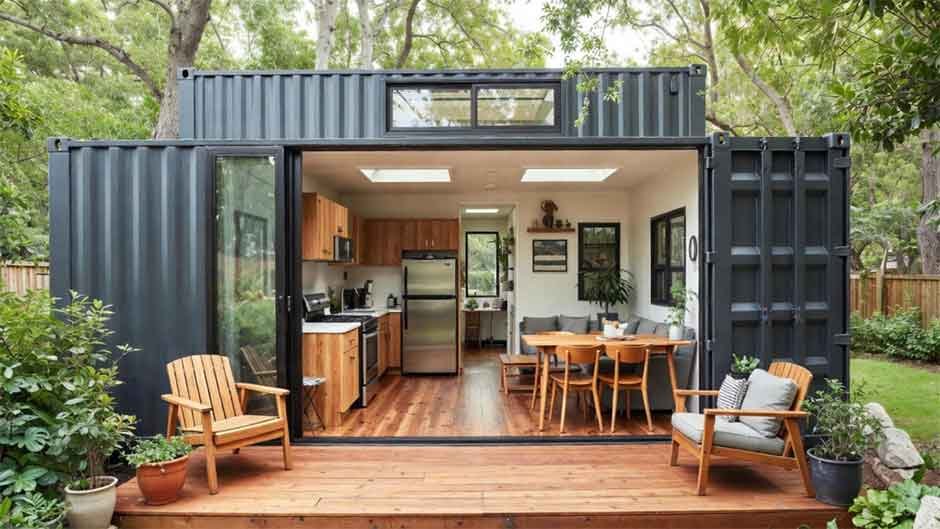
Building an outdoor workshop is a practical and cost-effective solution for individuals who need extra space to pursue hobbies, complete DIY projects, or even run a small business from home. One of the most popular ways to create such a workshop is by repurposing a shipping container. This method is not only sustainable but also provides a robust and secure structure for your tools and equipment. In this article, we will explore how to build an outdoor workshop with a shipping container, focusing on the key factors that will impact your decision-making process.
Why Choose a Shipping Container for an Outdoor Workshop?
Shipping containers, especially the 40 ft container, have gained popularity as the base structure for outdoor workshops due to their durability, affordability, and versatility. These containers were originally designed to withstand the harsh conditions of global shipping, which means they are built to last. Additionally, they offer significant benefits for those looking for a space that is both secure and weather-resistant.
When planning to convert a shipping container into an outdoor workshop, the first step is to decide whether you want to go with a 40 ft container or a smaller unit. The 40 ft shipping container is often considered the ideal choice for workshops because it offers ample space for working on larger projects, storing tools, and even adding basic amenities like lighting, ventilation, and power. However, depending on your available space and specific needs, smaller containers might also be suitable.
Key Considerations When Building an Outdoor Workshop
1. Size and Space Planning
One of the main factors to consider when building an outdoor workshop is the size of the container. A 40 ft shipping container offers around 320 square feet of space, which is enough room for a workshop with a workbench, shelves, storage for tools, and even an area for larger equipment or machinery. However, you must ensure that the container fits into your available outdoor space. Measuring your yard or property and factoring in clearance for delivery and installation is essential before purchasing the container.
In some cases, smaller containers such as 20 ft shipping containers may be a better fit for those with limited space or those looking to create a more compact workshop. It’s also worth noting that while a larger container offers more space, it may come with higher delivery and modification costs. Balancing the space you need with the space you have will help ensure the project stays within budget.
2. Choosing the Right Location
Selecting the right location for your container workshop is crucial. Ideally, you want to place the container in a flat, stable area that is easily accessible for delivery trucks. You will also want to ensure that the space is suitable for the kind of work you plan to do. For example, if your work involves woodworking or metalworking, it’s important to consider the potential for dust and debris, which might be best kept away from your home or garden.
Additionally, consider the orientation of the container. If you live in an area with harsh weather conditions, such as extreme heat or cold, placing the container in a shaded area or near natural windbreaks could help regulate the internal temperature. This will reduce the need for costly insulation or climate control systems.
3. Insulation and Ventilation
Shipping containers are made of steel, which means they can heat up quickly during the summer and get quite cold in the winter. Insulating your container workshop will help regulate the temperature, making it more comfortable to work in year-round. There are various methods to insulate a shipping container, such as using spray foam, rigid foam board, or fiberglass insulation. Each has its pros and cons in terms of cost, ease of installation, and effectiveness.
Spray foam insulation is the most efficient at sealing air gaps, but it can be expensive. Rigid foam board is a more affordable option and is easy to install, though it may require additional work to seal seams and edges. Another option to consider is using reflective insulation, which works by reflecting heat away in the summer and keeping warmth inside during the winter.
Ventilation is equally important to keep the air fresh and reduce humidity levels, which can lead to rust and mildew. Installing vents at both ends of the container is a good idea, allowing for cross-ventilation. You might also consider adding a roof vent or a small fan to help circulate the air. If you plan to use power tools or other equipment that generates heat, ensuring adequate airflow will prevent the workshop from becoming overly hot or stuffy.
4. Electrical and Lighting Setup
Most outdoor workshops require electricity for lighting, tools, and other equipment. Adding electrical wiring to a 40 foot shipping container workshop is possible, but it requires careful planning to ensure safety and compliance with local building codes. Depending on your needs, you might choose to run electricity from your house or install a separate power source, such as a solar panel system or a small generator.
When wiring the container, it’s essential to work with a licensed electrician who can ensure that the system is safe and up to code. Proper grounding and circuit protection will be needed to avoid any electrical hazards. Additionally, consider the placement of electrical outlets and light switches to ensure that they are conveniently located for your work areas.
Lighting is another key consideration for any workshop. Bright, energy-efficient LED lights are a great option as they provide ample illumination without using much power. Installing overhead lighting, task lighting, and accent lighting in different areas of the container will help improve visibility while working on projects.
5. Flooring Options
The flooring in your storage container workshop needs to be durable, comfortable, and easy to maintain. While the metal floor of a shipping container is strong and can withstand heavy loads, it can be slippery when wet and uncomfortable to stand on for long periods. Adding a layer of plywood or other durable materials to the floor can provide a more comfortable working surface. You may also want to consider applying a non-slip coating to prevent accidents, especially if your workshop involves working with tools or machinery.
In areas where heavy equipment or tools will be stored, consider reinforcing the floor or adding a concrete slab for additional support. This will help distribute the weight of heavy items and prevent the floor from becoming damaged over time.
6. Security and Protection
Since a shipping container workshop is often located outside and may contain valuable tools and equipment, security is an important factor to consider. Shipping containers are already relatively secure due to their solid steel construction and locking mechanisms, but you can further improve security by adding additional features.
Installing a high-quality lock on the container door is a must. You might also want to consider installing motion-sensing lights around the workshop and a security camera system to monitor activity. If you live in a high-crime area, you could even invest in an alarm system that will alert you if anyone attempts to break into the container.
Additionally, consider adding some form of protection against the elements. While the steel walls of the container are resistant to rain and snow, you may want to install a weatherproof cover or canopy over the top to protect it from direct exposure to harsh weather conditions. This can help extend the life of the container and keep it looking good over the years.
7. Customization and Final Touches
The beauty of converting a 40 ft container into an outdoor workshop is the ability to customize it to fit your needs. Whether you’re looking for a clean, minimalist design or a more industrial aesthetic, you can easily add features like shelving, workbenches, storage cabinets, and pegboards to organize tools and supplies.
Additionally, consider adding personal touches like paint, wall art, or window boxes to make the space feel more inviting. You might even want to include a small sitting area or coffee station if you plan to spend long hours working in the workshop. These small additions will help transform a simple cargo container into a functional and enjoyable workspace.
Challenges and Trade-offs
While building an outdoor workshop with a shipping container offers numerous advantages, there are also some challenges and trade-offs to consider. For one, you may face zoning regulations or permitting requirements depending on your location. Before starting the project, it’s important to check with your local municipality to ensure that you comply with any regulations regarding the placement and use of shipping containers on residential properties.
Another challenge is the initial cost of purchasing the storage container, delivering it to your location, and modifying it for your workshop needs. While shipping containers are often more affordable than traditional buildings, the cost of insulation, electrical work, flooring, and other customizations can add up quickly.
Additionally, as with any construction project, unexpected complications can arise. For example, delivery trucks may have difficulty reaching your property if it’s located on a narrow or steep road. This could delay your project or incur additional costs for specialized equipment.
Final Thoughts
Building an outdoor workshop with a 40 ft shipping container is a highly practical and customizable solution for those in need of extra workspace. By considering the factors discussed in this article, you can create a functional, secure, and comfortable workshop tailored to your needs. However, it’s important to balance your desires with the practical limitations of space, budget, and regulations.
Ultimately, the success of your project will depend on careful planning, the right materials, and, most importantly, ensuring that your outdoor workshop meets your specific requirements. Whether you’re looking for a space to work on DIY projects, run a small business, or store tools and equipment, a shipping container offers an affordable and durable option for creating the perfect outdoor workshop.