
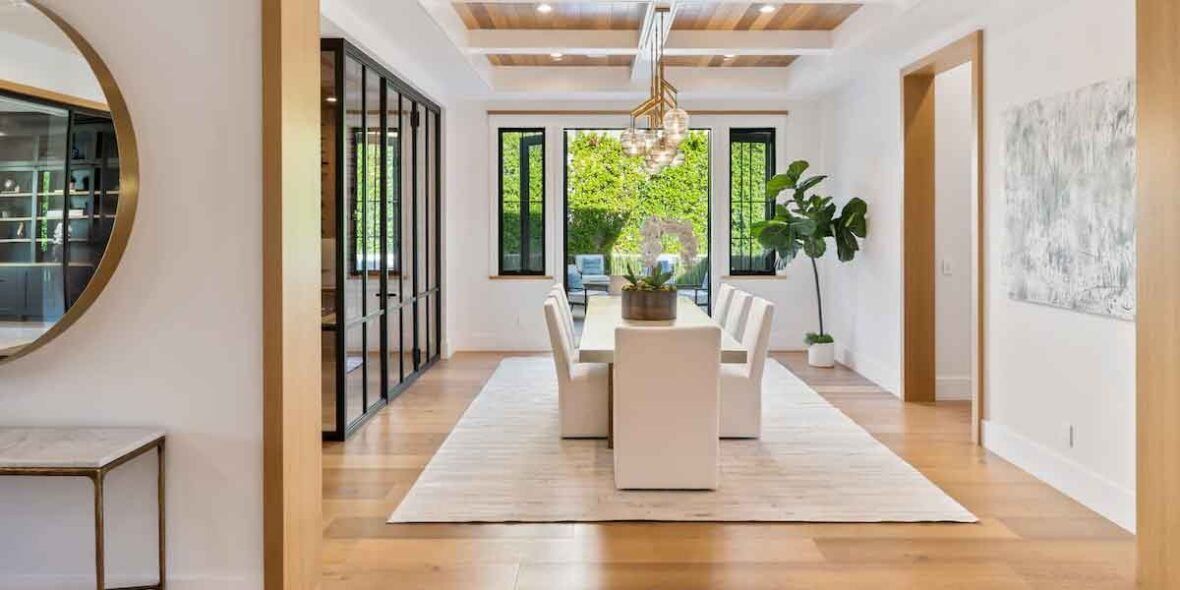
Transforming a house into a truly accessible living space requires a thoughtful approach to design and daily routines. When a family member experiences limited mobility or a disability, the right home improvements can drastically increase their independence and confidence. Physical modifications are just one part of a holistic approach to family health. While an adapted environment reduces everyday friction, making time to arrange for disability respite is equally crucial. This support ensures that primary caregivers can take a well-deserved break to rest and recharge. With a strong support system in place, you can focus on making practical upgrades to your property. Here are five effective home improvements to create a more inclusive and welcoming space.
Focus on Doorways and Clear Pathways
The most immediate challenge in any home is basic navigation. Narrow door frames and cluttered halls can make using a wheelchair or walker incredibly difficult. According to resources from SpinalCord.com, modifying doorways is a top priority. Their experts note that while standard guidelines recommend a minimum doorway width of 32 inches, widening them to 36 inches provides optimal manoeuvrability and independence for wheelchair users. You can explore more specifics in their expert guide on accessible home design ideas.
Beyond structural changes, clearing away clutter makes a massive difference. You must create unobstructed routes through every room. Just as you might look for tips on organising your garden area to keep outdoor spaces functional, you must bring those same accessibility principles indoors. Clearing floor space ensures safe movement across your entire property. Replacing traditional doorknobs with lever-style handles is another quick update that yields excellent results.
Implement Essential Bathroom Upgrades
Bathrooms are notoriously hazardous rooms due to slippery surfaces and tight corners. Upgrading this space is essential for long-term safety. Consider incorporating the following modifications to reduce the risk of falls and increase daily comfort:
- Install reinforced grab bars near the toilet and inside the shower to provide immediate support.
- Replace a traditional bathtub with a zero-threshold, roll-in shower to eliminate tripping hazards.
- Add a sturdy, fold-down shower seat for comfortable bathing.
- Apply non-slip floor treatments or textured tiles to improve traction when the floor gets wet.
- Ensure the vanity sink is mounted at an appropriate height with knee clearance for a wheelchair.
These changes transform the bathroom from a place of potential danger into a safe and accessible sanctuary.
Adapt the Kitchen for Better Reach
The kitchen is the heart of the home, but standard bench heights and deep cabinets can be frustrating for someone with mobility challenges. Lowering a section of the benchtop allows a seated person to prepare meals comfortably. Similarly, replacing deep lower cupboards with pull-out drawers ensures that pots and pans are easily accessible without requiring awkward bending. Adjusting the placement of everyday appliances, like putting the microwave on a lower shelf instead of above the stove, adds a layer of convenience that promotes independence. Swapping out small cabinet knobs for D-shaped pull handles will further improve kitchen accessibility.
Choose Safe and Practical Flooring
Thick carpets and loose rugs are major obstacles for walking aids and wheelchairs. They create unnecessary friction and increase the likelihood of a fall. Replacing plush carpets with hard and smooth surfaces is a highly effective home improvement. Hard vinyl, engineered timber, or laminate flooring offer a seamless glide for wheels and a stable surface for walking frames. If you prefer the warmth of carpet in certain areas, opt for a low-pile and tightly woven variety that is firmly secured to the floor. Additionally, removing raised thresholds between rooms ensures that wheeled devices can move freely without sudden bumps.
Embrace Smart Home Technology
Modern technology offers incredible solutions for making a home more accessible. Smart home devices allow residents to control their environment with simple voice commands or a smartphone app. You can install automated lighting that responds to motion or voice, eliminating the need to reach for awkward switches in the dark. Smart locks and video doorbells provide security and convenience, allowing you to see and speak to visitors without rushing to the front door. These technological additions perfectly complement your physical renovations to create a supportive living space.